
Preteen girls face complex transitions marked by physical, emotional, and social changes, impacting self-esteem and well-being. Pressures from peers, media, and societal expectations drive their quest for identity and purpose. Supportive environments and open communication are crucial for developing resilience and a stronger sense of self.
Empowering strategies include:
– Addressing gender bias in education and promoting inclusive policies.
– Establishing safe spaces and peer support networks.
– Mentorship programs with female role models.
– Overcoming cultural barriers, especially in STEM fields.
Key interventions for building natural self-esteem in girls include quality education, comprehensive health education, and mentorship. Early implementation of these strategies fosters self-efficacy, encouraging girls to pursue STEM and leadership roles.
Helping girls develop self-esteem is a vital task as they navigate the complex landscape of adolescence. Understanding preteen girl behavior is crucial to fostering their growth into confident, resilient adults. Girls naturally undergo significant physical, emotional, and social changes during this period, often facing challenges that can impact their self-worth. This article delves into the nuances of preteen girl psychology, offering insights on how to cultivate a positive self-image. We will explore evidence-based strategies for parents, caregivers, and educators to guide girls towards a healthier sense of self, ensuring they thrive in all aspects of life.
- Understanding Preteen Girl Behavior: Unveiling Growth Pains
- Building Self-Worth: Nurturing Inner Strength in Girls
- Creating Supportive Environments: Embracing Her Unique Journey
- Encouraging Confidence: Empowering Girls to Thrive Naturally
Understanding Preteen Girl Behavior: Unveiling Growth Pains

Preteen girls are navigating a complex landscape of physical, emotional, and social changes, which can impact their self-esteem and overall well-being. Understanding this developmental stage is crucial in advocating for girls’ rights and fostering their growth into confident adults. During these years, girls naturally face pressures from peers, the media, and societal expectations, often leading to a quest for identity and purpose. This period of self-discovery can be challenging, especially when combined with the academic and extracurricular demands of this age group.
Experts suggest that preteen girls may exhibit behavioral changes such as increased mood swings, a desire for more independence, and a growing interest in social dynamics and relationships. They might also become more sensitive to criticism or failure, which can affect their self-perception. It is essential for adults, including parents, teachers, and mentors, to recognize these shifts and provide supportive environments. Encouraging open communication allows girls to express their feelings, doubts, and aspirations, helping them develop resilience and a stronger sense of self.
Advocating for girls’ rights in education is paramount. Breaking barriers in STEM fields and promoting inclusive education policies are key strategies to empower preteen girls. By providing equal access to quality education and fostering an environment that celebrates diverse talents and interests, we can help girls discover their potential. For instance, introducing coding workshops or science clubs in schools can spark an interest in STEM subjects early on. Additionally, engaging parents and caregivers in conversations about gender equality and the importance of supportive role models can further reinforce positive messages for young girls.
Unleashing a girl’s journey towards self-acceptance and confidence is a multifaceted process that requires conscious effort from the community at large. By recognizing the unique challenges preteen girls face and offering guidance, support, and opportunities, we can enable them to thrive and become advocates for their own rights and those of future generations. Find us at Unleashing Potential: Girl’s Journey for more insights and resources dedicated to empowering young females.
Building Self-Worth: Nurturing Inner Strength in Girls

Building self-worth is a fundamental aspect of fostering healthy development in preteen girls. This journey begins with recognizing and nurturing their inherent strengths and abilities. Girls, by nature, possess remarkable resilience and creativity, which can be harnessed to boost self-esteem. Encouraging them to engage in girl-led projects allows for the exploration of passions, cultivating a sense of purpose and accomplishment. For instance, art programs or science clubs can provide platforms for girls to shine, unleashing their creativity and fostering confidence in their unique talents.
Inclusive education policies are pivotal in this process. Ensuring that schools embrace diversity and create safe spaces for all students empowers girls to embrace their identities without fear of judgment. When girls feel accepted and valued, they are more likely to develop a positive self-image. Additionally, female mentorship programs can significantly impact a girl’s journey towards self-acceptance. Mentors serve as powerful role models, guiding young girls through challenges and celebrating their successes, ultimately helping them navigate the complexities of adolescence with enhanced self-worth.
Overcoming cultural barriers to girls’ education is an essential component of this equation. Many societies perpetuate stereotypes that limit a girl’s potential. By challenging these norms and implementing inclusive policies, we can create environments where girls thrive. For example, encouraging participation in traditionally male-dominated subjects like STEM fields can break down gender biases and empower girls to pursue their interests without societal constraints. This holistic approach ensures that preteen girls receive the support needed to develop robust self-esteem and a positive sense of self.
Creating Supportive Environments: Embracing Her Unique Journey

Helping girls develop self-esteem during their preteen years involves creating supportive environments that embrace their unique journeys. This period is crucial as it sets the foundation for their future confidence and overall well-being. One significant aspect is addressing gender bias in textbooks and educational materials, ensuring that the content presented is inclusive and representative of diverse female experiences. For instance, featuring historical figures like Marie Curie or Malala Yousafzai alongside male counterparts can inspire young girls by demonstrating a wide range of achievable goals.
Inclusive education policies are paramount to fostering an environment where every girl feels valued. This includes implementing strategies that accommodate different learning styles and cultural backgrounds, ensuring no single approach dominates the classroom. Celebrating female achievements in education, from academic excellence to athletic feats, serves as powerful motivation. Regularly acknowledging and showcasing these accomplishments can instill a sense of pride and belonging among girls. Visiting us at [brand/NAP] to explore our initiatives aimed at stemming the drop-out rate among girls is an excellent step towards understanding and supporting their educational needs.
Moreover, creating safe spaces for open dialogue allows girls to express their thoughts and emotions freely. Encouraging peer support networks and mentor programs can provide additional layers of encouragement and guidance. By acknowledging that each girl’s journey is unique—shaped by her interests, aspirations, and experiences—we enable them to develop a robust sense of self-esteem, prepared to navigate the challenges ahead with resilience and confidence.
Encouraging Confidence: Empowering Girls to Thrive Naturally
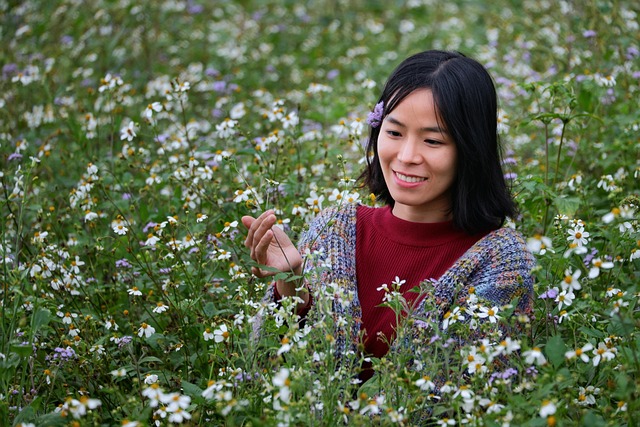
Helping girls develop self-esteem is a multifaceted process that requires understanding their unique behavior during the preteen years. This period is crucial for shaping their future confidence and resilience. One of the most effective ways to empower girls naturally is by encouraging and fostering their confidence from an early age. It involves creating environments that support their growth, provide access to essential resources, and offer opportunities for self-discovery.
Quality education serves as a cornerstone in this journey. Girls worldwide should have equal access to educational institutions that promote literacy and critical thinking skills. Fostering literacy globally not only enhances their academic performance but also equips them with the tools to navigate information and make informed decisions. Educational programs can be tailored to include practical life skills, including financial literacy and digital proficiency, which are essential in today’s rapidly changing world. Additionally, addressing girls’ sexual and reproductive health education is vital. Providing comprehensive knowledge empowers them to make responsible choices regarding their bodies and futures.
Mentorship plays a significant role in building self-esteem. Encouraging parents, caregivers, and educators to act as mentors can help guide girls through this transformative phase. The mentorship can be extended further by participating in female mentorship programs for students, where they can connect with successful women who can offer insights and encouragement. These interactions may inspire young girls to set goals, embrace their unique strengths, and pursue opportunities that align with their interests. By fostering a culture of support and empowerment, girls are naturally equipped to thrive in various aspects of life.
For instance, studies have shown that when girls receive mentorship, they exhibit higher levels of self-efficacy and are more likely to consider pursuing STEM fields or leadership roles. This suggests that early intervention and encouragement can have long-lasting effects on their future trajectories. As a result, it becomes imperative for communities and organizations to prioritize these initiatives to create an enabling environment for girls’ holistic development.
By understanding the unique challenges preteen girls face and recognizing their innate potential, we can create environments that foster self-esteem and empowerment. Key insights include focusing on building inner strength through positive reinforcement, celebrating individual journeys, and encouraging confidence in a supportive network. This holistic approach leverages the girl’s natural resilience, enabling her to thrive and navigate life’s challenges with growing self-assurance. Readers are encouraged to embrace these strategies as practical tools to guide and support girls, ultimately contributing to their overall well-being and success.