
The Pakistani Rupee (PKR) value is shaped by economic factors including FDI, skill development, property growth, and transportation infrastructure like CPEC. Volatility is influenced by global trends, trade, investment flows, fiscal health, and central bank policies. To navigate this, investors should diversify portfolios, analyze historical data, and stay informed about global and local economic shifts. The PKR's future depends on infrastructure developments, import dependencies, global economy, and regional trade, with a balanced policy approach crucial for stability.
The Pakistani Rupee’s exchange rate fluctuations are a significant factor shaping Pakistan’s economic landscape. Understanding the dynamics of its appreciation and depreciation is crucial for investors, policymakers, and businesses alike. However, navigating these complex movements can be challenging due to their volatility. This article provides an in-depth analysis of the factors driving the rupee’s value, offering insights into its historical trends and potential drivers. By examining recent performance, we aim to equip readers with valuable knowledge to interpret and anticipate future fluctuations, thereby fostering informed decision-making in the context of Pakistan’s ever-evolving economic environment.
- Economic Factors Influencing Pakistani Rupee's Value
- Historical Trends in the Appreciation/Depreciation of PKR
- Global Market Dynamics and Its Impact on Pakistani Rupee
- Monetary Policies: Central Bank's Role in PKR Fluctuations
- Exchange Rates: Local & International Comparisons
- Future Projections: Predicting Pakistani Rupee's Movement
Economic Factors Influencing Pakistani Rupee's Value

The Pakistani Rupee’s (PKR) value is subject to a dynamic interplay of numerous economic factors. Its appreciation or depreciation relative to global currencies reflects Pakistan’s macro-economic health, monetary policies, and geopolitical conditions. In recent years, the PKR has experienced significant volatility, influenced by factors like foreign direct investment (FDI), skill development programs aimed at enhancing the country’s human capital, and key sectoral developments such as the property sector and transportation infrastructure.
One of the primary drivers affecting the PKR is FDI inflows. A surge in investment, particularly in industries with high technology content, has historically strengthened the rupee due to increased demand for local currency. Conversely, outflows can exert downward pressure on the PKR’s value. Skill development programs play a crucial role too; enhancing the workforce’s capabilities makes Pakistan an attractive destination for foreign businesses, boosting investment and potentially bolstering the rupee. For instance, initiatives focused on information technology (IT) and engineering skills have contributed to a skilled workforce, drawing global IT giants like Microsoft and Google to invest in Pakistan.
Another notable factor is the property sector’s growth, which has been instrumental in stabilizing and appreciating the PKR. As real estate becomes more lucrative for foreign investors, it incentivizes currency retention within Pakistan, thereby supporting its value. Similarly, transportation infrastructure development, including projects like the China-Pakistan Economic Corridor (CPEC), facilitates smoother trade flows and enhances logistics efficiency, positively impacting the PKR’s performance in international markets.
Understanding these dynamics is essential for domestic businesses and investors. Visit us at history-of-pakistani-rupee to gain deeper insights into Pakistan’s monetary journey. By staying informed about economic trends and policy shifts, stakeholders can make more informed decisions regarding investments, both local and foreign, thereby navigating the fluctuating PKR landscape with strategic acumen.
Historical Trends in the Appreciation/Depreciation of PKR
The Pakistani Rupee (PKR) has experienced a tumultuous journey in terms of its exchange rate dynamics, with historical trends revealing both appreciation and depreciation phases over the years. Understanding these fluctuations is crucial for investors, tourists, and policymakers alike, as it significantly impacts various sectors, including rupee-eco-friendly investments, tourism revenue generation, and interest rates. In the broader economic landscape, power generation diversification also plays a role in shaping the PKR’s trajectory.
Historically, the PKR has tended to appreciate against major currencies like the US Dollar. This appreciation can be attributed to factors such as robust foreign direct investment (FDI), particularly in sectors like technology and tourism, leading to increased demand for the rupee. For instance, a surge in tourism revenue can bolster the PKR’s value due to higher dollar outflows from the country. Conversely, periods of economic instability or high inflation have often resulted in depreciation. When interest rates rise, as seen in recent years, it can exert downward pressure on the rupee, making imports more expensive and potentially leading to a decline in the exchange rate.
Experts suggest that navigating the PKR’s volatility requires strategic planning. Investors can benefit from diversifying their portfolios to include both domestic and international assets, thereby mitigating currency risk. For instance, giving us a call at traditional-industry-revival for insights on rupee-eco-friendly investments can offer opportunities in sectors less susceptible to exchange rate swings. Moreover, policymakers must focus on macro-economic stability, ensuring that measures like power generation diversification contribute positively to the PKR’s health and encourage sustainable economic growth.
Global Market Dynamics and Its Impact on Pakistani Rupee
The global market dynamics play a pivotal role in determining the appreciation or depreciation of the Pakistani Rupee (PKR). In today’s interconnected world, where economic fluctuations can have far-reaching effects, the PKR is subject to various external influences that shape its trajectory. One significant factor is international trade and investment flows; when Pakistan engages in substantial exports, it can expect a positive impact on its currency due to increased demand for PKR. Conversely, if the country imports more than it exports, the rupee may depreciate as foreign currency outflows rise.
Climate-change adaptations and infrastructure development projects also significantly influence the PKR. As Pakistan prioritizes initiatives to mitigate environmental challenges, the associated investments in transportation infrastructure can boost economic activity, potentially strengthening the rupee. For instance, advancements in logistics and connectivity can enhance the country’s position as a regional trading hub, attracting foreign capital and remittances that positively impact the currency. Similarly, robust fiscal health is crucial; when Pakistan demonstrates effective management of public finances, it fosters investor confidence, leading to a more stable and potentially stronger rupee.
In terms of its performance in specific sectors, the PKR has shown resilience in the property sector, where increased investment and demand have contributed to its stability. Remittances also play a critical role; consistent inflows of money from Pakistani expatriates globally have significantly impacted the rupee’s value. According to recent data, remittances reached a notable peak, providing a boost to the PKR. Moreover, visiting us at history-of-pakistani-rupee offers valuable insights into the currency’s past fluctuations and future prospects, helping stakeholders make informed decisions in an ever-changing global market.
Actionable advice for investors and businesses navigating these dynamics is to stay informed about international economic trends and their potential impact on the PKR. Diversifying investments across various sectors can help mitigate risks associated with currency volatility. Additionally, adapting business strategies to capitalize on emerging opportunities, such as those presented by climate-change adaptations and infrastructure development, may contribute to long-term stability and growth in both local and global markets.
Monetary Policies: Central Bank's Role in PKR Fluctuations
The fluctuations of the Pakistani Rupee (PKR) are subject to intricate monetary policies executed by the State Bank of Pakistan. The central bank’s decisions regarding interest rates, foreign exchange reserves, and open market operations significantly influence the PKR’s appreciation or depreciation. For instance, tighter monetary policies, often employed to combat inflation, can strengthen the PKR by making borrowing more expensive, thus reducing demand for imports and encouraging domestic spending. Conversely, looser policies may weaken the PKR, as lower interest rates stimulate investment and increase demand for foreign currency.
Power-generation-diversification and labor-market-trends play a supporting role in these fluctuations. Improved energy security, for example, can enhance economic stability, positively impacting the PKR. Similarly, shifts in employment dynamics, such as growth in sectors like tourism (a key visitor-attraction) and technology, can influence exchange rates. When exports of goods and services grow, demand for the PKR increases, potentially driving appreciation. Conversely, a decrease in foreign investment or remittances may put downward pressure on the currency.
The State Bank of Pakistan proactively manages these dynamics through regular market interventions and policy adjustments. By closely monitoring economic indicators, the central bank ensures stability and smooths out volatility in the PKR. Individuals and businesses can navigate these fluctuations by staying informed about monetary policies and engaging in strategic financial planning. For expert advice tailored to your situation, find us at financial-planning-guide.
Exchange Rates: Local & International Comparisons
The Pakistani Rupee’s exchange rate fluctuates constantly, influenced by a complex interplay of economic, political, and global factors. In recent years, the rupee has exhibited both appreciation and depreciation against major international currencies. This dynamic nature poses challenges for expat finances and local businesses alike, particularly in sectors like creative arts and entrepreneurship where success is often tied to international trade and investment. For instance, startups leveraging digital platforms for global reach may benefit from a stronger rupee, but those relying on imported raw materials or technology could face higher costs during periods of depreciation.
When the rupee appreciates, it generally strengthens Pakistan’s export competitiveness, encouraging traditional industries to revive and fostering environmental sustainability efforts. This is because cheaper domestic goods can attract foreign buyers, leading to increased exports and potentially boosting economic growth. Conversely, a depreciating rupee makes imports more expensive, which can inflame inflationary pressures but also incentivizes local production to meet demand. For example, during periods of significant depreciation, the cost of imported machinery or creative tools for local artists and entrepreneurs may rise sharply, influencing their business decisions and strategies.
Navigating these exchange rate shifts requires a nuanced approach. Local businesses and expats can manage risk through hedging strategies, currency forward contracts, or dynamic pricing models that adjust based on market fluctuations. Additionally, staying informed about economic trends and global events is crucial for timely decision-making. Visiting us at rupee-in-social-change initiatives can provide valuable insights into harnessing the impact of exchange rate dynamics for environmental sustainability and community development. By understanding and adapting to these changes, individuals and industries can capitalize on opportunities while mitigating potential drawbacks.
Future Projections: Predicting Pakistani Rupee's Movement
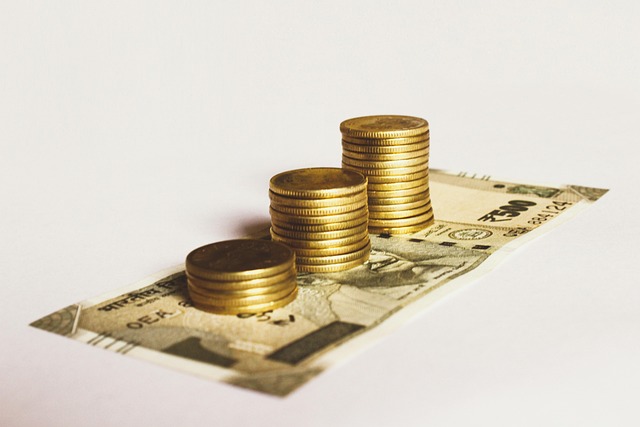
The future projections for the Pakistani Rupee are a subject of keen interest, especially considering its inherent volatility and the critical role it plays in various sectors of the local economy. Understanding the dynamic nature of the rupee is essential, particularly when analyzing its impact on industries such as property, transportation infrastructure development, and import dependencies. Historically, the rupee has experienced significant fluctuations due to a myriad of factors, including global economic trends, domestic political situations, and policy interventions. These movements can have profound effects on the cost of sustainable energy initiatives, as seen in recent projects aimed at reducing rupee-in-property-sector expenses through renewable energy adoption.
Predicting its short-term movement is challenging due to various uncertainties, but analysts often look towards macroeconomic indicators like inflation rates and trade balances. For instance, a strengthening rupee typically coincides with lower inflation and positive trade surpluses, whereas depreciation may result from rising import bills or economic downturns. The rupee’s appreciation against major currencies has been observed during periods of robust economic growth and sound fiscal policies, reflecting the market’s confidence in the local economy. Conversely, depreciation events often serve as warnings, highlighting potential risks and triggering strategic adjustments in investment decisions and government policy.
Looking ahead, several factors could influence the Pakistani Rupee’s trajectory. The ongoing development of transportation infrastructure and the continued emphasis on reducing import dependencies through diverse economic strategies may provide support for a more stable rupee. However, global economic shifts, especially those affecting energy markets, could introduce new variables. As nations worldwide navigate the transition to sustainable energy costs, Pakistan’s strategic position in regional trade and its efforts to attract foreign investment will play a crucial role in shaping the rupee’s future. Expert insights suggest that a balanced approach, combining prudent monetary policy with targeted economic reforms, is key to ensuring a more predictable rupee movement, fostering a conducive environment for both domestic businesses and international investors.
Find us at [Rupee-Sustainable-Energy-Costs] to stay informed about the latest trends and insights shaping Pakistan’s economic landscape.
The article has delved into the intricate factors influencing the appreciation and depreciation of the Pakistani Rupee (PKR), offering a comprehensive understanding of its economic, historical, and global dynamics. Key insights reveal that PKR fluctuations are driven by various economic indicators, including trade imbalances, inflation rates, and monetary policies implemented by the central bank. Historical trends indicate periods of both significant appreciation and sharp depreciations, highlighting the volatile nature of exchange rates. The impact of global market dynamics, particularly international commodity prices and foreign investment flows, cannot be overlooked. Central banks’ monetary policies play a pivotal role in steering PKR value, with strategic interventions aimed at maintaining stability or encouraging growth. By comparing local and international exchange rates, investors gain valuable insights into the PKR’s performance relative to global currencies. Future projections suggest that while predicting exact movements is challenging, understanding these factors empowers stakeholders to make informed decisions. Armed with this knowledge, businesses, investors, and policymakers can navigate the foreign exchange market more effectively, fostering stability and potentially enhancing the Pakistani Rupee’s resilience in the dynamic global landscape.
