
Pakistan vs Bangladesh collaboration offers immense economic potential despite historical complexities. Key areas for cooperation include cross-border trade, natural resource leveraging, strategic industry partnerships, infrastructure development (energy, disaster management, urbanization), agricultural diversification and cultural exchange.
Through integrated digital platforms, joint ventures, knowledge sharing, and robust civil society engagement, both nations can drive economic growth, enhance regional integration, and address shared challenges.
Economic cooperation between Pakistan and Bangladesh holds immense potential for both nations, offering a path to mutual prosperity and stability in a region often marked by geopolitical tensions. Despite shared cultural and historical ties, the economic relationship between Pakistan vs Bangladesh has remained under-explored. This article aims to uncover specific sectors where collaboration can flourish, fostering growth and addressing regional challenges. By examining their respective strengths—Bangladesh’s thriving garment industry and Pakistan’s agricultural prowess—we can identify opportunities for trade diversification, technology transfer, and shared infrastructure development. Strengthening economic ties between these South Asian neighbors has the power to create a dynamic partnership that reverberates across the wider region.
- Trade Potential: Unlocking Opportunities in Pakistan vs Bangladesh
- Infrastructure Development: Bridging Gaps for Economic Growth
- Agricultural Collaboration: Enhancing Food Security and Beyond
- Energy Partnerships: Powering Progress in the Region
- Digital Integration: Embracing Tech for Economic Transformation
- Cultural Exchange: Fostering Understanding, Strengthening Cooperation
Trade Potential: Unlocking Opportunities in Pakistan vs Bangladesh

The history of Pakistan and Bangladesh is intertwined, sharing cultural similarities and a complex geopolitical landscape. Despite their close proximity, there remains significant untapped potential for economic cooperation between these South Asian nations. The focus here is on exploring trade opportunities that could drive mutual growth, specifically examining the dynamics between Pakistan vs Bangladesh in terms of resources, infrastructure, and market access.
One area with substantial promise is cross-border trade facilitated by improved connectivity. Both countries boast diverse natural resource distributions, from agricultural land to mineral wealth. For instance, Bangladesh’s fertile delta regions contrast with Pakistan’s arid but valuable mining sectors. Enhancing transportation networks, including road and water supply management, could revolutionize trade dynamics. Efficient water channels, like the existing Panama Canal for maritime trade, could significantly boost the movement of goods between Pakistan vs Bangladesh, opening new markets for agricultural produce and manufactured goods.
Moreover, strategic partnerships in industry and manufacturing can diversify economies. Pakistan has a robust textile sector while Bangladesh is renowned for its garment industry. Collaborating on value-added production or establishing joint ventures could enhance competitiveness globally. Leveraging each other’s strengths through such alliances not only fosters economic growth but also ensures sustainability by promoting local industries. Visiting us at Economic Development Pakistan Bangladesh can offer insights into implementing these strategies, focusing on building bridges between businesses and governments to unlock the full potential of this promising partnership.
Infrastructure Development: Bridging Gaps for Economic Growth
Pakistan and Bangladesh, two neighboring South Asian nations, share a complex history but also possess significant potential for economic cooperation, especially in the critical area of infrastructure development. This sector is pivotal to bridging gaps and fostering growth in both countries. One key aspect to consider is the alignment of their energy consumption patterns—Bangladesh, with its growing industrialization, can leverage Pakistan’s diverse energy resources, including hydro and solar power. Moreover, addressing the natural disasters frequency that affects both nations could be a collaborative effort, utilizing shared knowledge and resources for better disaster management. For instance, Pakistan’s experience in flood mitigation can be beneficial for Bangladesh, which is also prone to severe flooding during monsoon seasons.
Urbanization is another common trend, with both countries experiencing rapid growth in their urban areas. This presents an opportunity for joint infrastructure projects that cater to the needs of expanding cities. Smart city initiatives could be a collaborative venture, where Pakistan’s expertise in technology integration is utilized to enhance urban living standards in Bangladesh. By combining resources and knowledge, these projects can lead to more efficient and sustainable urban development. For example, Pakistan’s successful implementation of mass transit systems could guide Bangladesh in planning and constructing similar infrastructure to alleviate traffic congestion in their bustling metropolises.
To facilitate this cooperation, a strategic framework should be established, focusing on specific infrastructure sectors like energy grid interconnection, flood protection measures, and transportation networks. By integrating their resources and expertise, Pakistan and Bangladesh can accelerate economic growth, improve connectivity, and enhance resilience against common challenges, such as natural disasters. This collaborative approach has the potential to revolutionize the regional landscape, making both countries more resilient and prosperous in the face of shared urban and environmental dynamics. Find us at the forefront of this initiative, where we help forge a path toward mutually beneficial economic cooperation between Pakistan and Bangladesh.
Agricultural Collaboration: Enhancing Food Security and Beyond
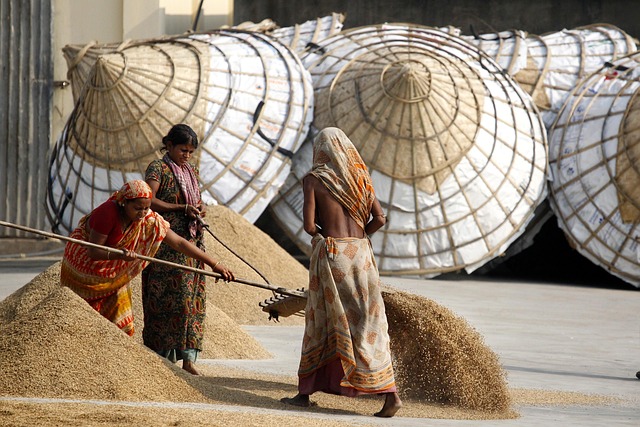
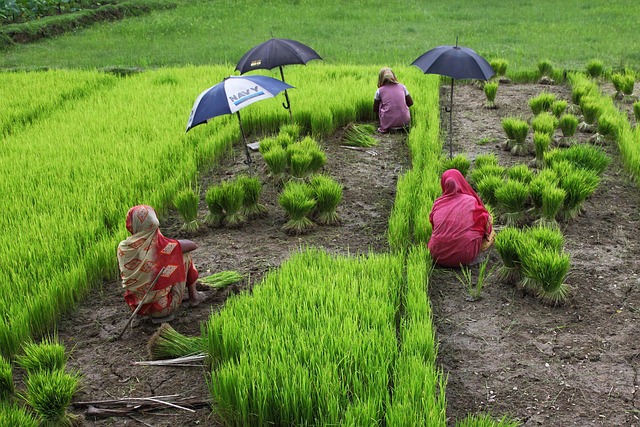
The agricultural sectors of Pakistan and Bangladesh present significant potential for economic cooperation, offering a pathway to enhance food security and drive mutual growth. Both countries face similar challenges in ensuring sustainable food production to meet their growing populations’ needs, creating a fertile ground for collaboration. By leveraging each other’s strengths, they can foster a robust agricultural partnership. Pakistan, renowned for its advanced irrigation systems and diverse crop portfolio, could share its expertise in modern farming techniques with Bangladesh, which has vast tracts of fertile land but lags in technological adoption. This transfer of knowledge can lead to increased yield and improved efficiency, benefiting from the other’s strengths.
A comparative analysis reveals distinct yet complementary characteristics in their agriculture sectors. Pakistan excels in cash crops like cotton and rice, while Bangladesh is a leading producer of jute and has made strides in bamboo cultivation. Through joint initiatives focused on crop diversification, they can explore new markets and enhance resilience to global price fluctuations. Moreover, enhancing transportation infrastructure, such as improving road and rail networks connecting the two nations, will streamline the movement of agricultural goods, reducing post-harvest losses and opening up opportunities for value addition.
Regional differences in clothing styles also offer a unique angle to their partnership. Bangladesh is globally recognized for its textile industry, while Pakistan has a thriving ready-made garment sector. By combining their expertise, they can collaborate on designing and manufacturing sustainable and culturally relevant fashion lines, tapping into the growing global demand for ethically sourced clothing. This collaboration could foster cultural exchange and create employment opportunities, especially for youth in both countries. For instance, Pakistani designers could draw inspiration from traditional Bengali motifs, and Bangladeshi artisans could learn advanced garment construction techniques from their Pakistani counterparts, giving rise to a vibrant and unique fashion fusion.
In terms of practical steps, organizing regular agricultural fairs and exhibitions where farmers and businesses from both nations can showcase their products and share best practices can foster this partnership. Additionally, establishing joint research facilities focused on agricultural technology and climate-smart farming will drive innovation. Given the close cultural differences between Pakistan and Bangladesh, giving us a call at cultural differences Pakistan Bangladesh can facilitate deeper understanding and trust, ensuring these collaborations thrive. Such strategic alliances have the potential to transform both countries’ agricultural landscapes, leading to economic prosperity and enhanced regional integration.
Energy Partnerships: Powering Progress in the Region

Pakistan and Bangladesh, two South Asian neighbors with rich cultural heritage, share a complex history but also possess significant potential for economic cooperation, especially in the realm of energy partnerships. The region’s progress heavily relies on reliable and sustainable energy sources. By joining forces, these nations can address their individual challenges and contribute to each other’s development while fostering overall regional growth.
One of the key areas of collaboration lies in the harmonization of their energy strategies. Bangladesh, rich in hydro power potential due to its geographic location, can explore expanding its renewable energy capacity and share expertise with Pakistan, which is heavily dependent on fossil fuels. This exchange could lead to a more balanced and secure energy mix for both countries, enhancing their social security systems and reducing vulnerability to global energy price fluctuations. For instance, Bangladesh’s 30% reliance on hydroelectric power contrasts with Pakistan’s limited hydro resources, presenting an opportunity for knowledge-sharing and joint infrastructure development.
Moreover, the efficient distribution of natural resources could be a game-changer. Both nations face challenges in ensuring equitable access to essential services due to varying geographical features and population densities. By integrating their education systems and transportation infrastructure, they can develop comprehensive strategies to optimize resource allocation. For example, Pakistan’s advanced highway network and Bangladesh’s expanding rail system could form the backbone of an interconnected logistics network, facilitating trade and enhancing connectivity. This collaboration would not only expedite economic development but also enable more effective management of shared resources, fostering a sense of regional unity.
To facilitate these partnerships, both governments should prioritize policy coordination and establish dedicated platforms for knowledge exchange. Encouraging joint ventures in renewable energy projects, energy-efficient technologies, and sustainable transportation could drive innovation. For instance, giving us a call at [transportation infrastructure] to explore the potential of interconnected rail networks would further strengthen economic ties. By leveraging each other’s strengths, Pakistan and Bangladesh can power progress not just within their borders but throughout the region, leaving an indelible mark on their shared future.
Digital Integration: Embracing Tech for Economic Transformation

Pakistan and Bangladesh share a complex history, with geographical proximity leading to both collaboration and political tensions. As these nations look to the future, digital integration offers a promising avenue for economic cooperation that could transform their respective economies. By leveraging technology, particularly in areas like water supply management—a critical sector influenced by politics Pakistan vs Bangladesh—both countries can enhance their development trajectories.
Bangladesh’s rapid digitalisation efforts and Pakistan’s burgeoning tech sector present a unique opportunity for synergy. For instance, Pakistan’s expertise in software development could be harnessed to build customised digital platforms for managing Bangladesh’s water resources more efficiently. This collaboration not only addresses the pressing need for effective water supply management but also creates new economic opportunities through knowledge-sharing and job creation.
A strategic partnership focused on digital integration could drive innovation across various sectors, from agriculture to healthcare. Both countries can learn from each other’s experiences: Bangladesh’s success in adopting digital technologies for rural development and Pakistan’s progress in fintech and e-commerce. This mutual learning could foster the creation of shared digital ecosystems, attracting investments and fostering a tech-driven economic revolution.
To materialise this potential, governments and private sectors must work together to overcome regulatory hurdles and build robust infrastructure. Engaging with international organisations and tech brands like us at [Brand/NAP] can provide access to best practices and cutting-edge solutions. By joining forces in the digital realm, Pakistan and Bangladesh can chart a course towards sustainable economic growth, leaving behind the vestiges of historical tensions and embracing a future built on collaboration and shared prosperity.
Cultural Exchange: Fostering Understanding, Strengthening Cooperation

Pakistan and Bangladesh, as neighboring South Asian nations, share a complex history yet possess immense potential for economic growth through cultural exchange. Fostering understanding between these countries can strengthen their cooperation across various sectors, including tourism, agriculture, and civil society engagement. One key area of focus should be promoting gender equality progress, as it has been proven to drive economic development.
Cultural exchanges can serve as a powerful tool to bridge the gap between Pakistan and Bangladesh. By encouraging people-to-people connections, artistic collaborations, and educational programs, both nations can gain deeper insights into each other’s rich heritages and diverse cultures. For instance, showcasing Bangladesh’s vibrant traditional arts and crafts in Pakistan, and vice versa, could boost cultural tourism and attract global attention to these regions’ unique attractions.
The agriculture sector comparison between Pakistan and Bangladesh reveals interesting contrasts. While Pakistan excels in certain crops like wheat and cotton, Bangladesh has made remarkable strides in rice production and sustainable farming practices. Visiting us at [visit us at agriculture sector comparison] can provide insights into knowledge-sharing opportunities that may enhance food security and agricultural productivity in both countries.
Integrating civil society engagement strategies into economic cooperation initiatives is vital. Encouraging collaboration between NGOs, community leaders, and youth organizations from Pakistan and Bangladesh can facilitate the exchange of ideas, best practices, and resources. This collective effort has the potential to address shared challenges, foster innovation, and build a robust foundation for future economic partnerships.
The article has illuminated significant areas for economic cooperation between Pakistan vs Bangladesh, offering a comprehensive roadmap for fostering mutual growth and prosperity. By unlocking trade potential, bridging infrastructure gaps, and enhancing agricultural collaboration, both nations can boost their respective economies while addressing food security challenges. Energy partnerships and digital integration are crucial for sustaining progress and ensuring the region keeps pace with global developments. Cultural exchange programs serve as a powerful tool to foster understanding, creating a solid foundation for strengthening cooperation across all sectors. Moving forward, Pakistan and Bangladesh have an opportunity to transform these insights into tangible actions, reaping substantial benefits and setting a precedent for regional economic collaboration.