
Translation Memories (TMs) revolutionize translation by storing and reusing segments of previously translated text, enhancing efficiency and consistency. They capture linguistic patterns, predict segment suggestions using AI, and ensure accurate cultural translations. Best practices include regular updates, meticulous editing, and language immersion. Well-maintained TMs can increase project turnaround times while maintaining quality. Integration with Translation Memory Management (TMM) software streamlines processes for seamless communication across languages.
In today’s globalized world, seamless communication across languages is paramount for businesses and professionals. Translation memories (TMs) have emerged as a powerful tool to facilitate efficient and accurate translation processes. However, understanding how these memories work is crucial for maximizing their potential. This article delves into the intricate mechanisms of TMs, offering insights into how they store, retrieve, and modify translations, thereby enabling translators to translate naturally while maintaining consistency. By exploring the science behind TMs, we equip readers with valuable knowledge to enhance their translation workflows.
- Understanding Translation Memories: The Basics
- How TM Captures and Stores Source Language Phrases
- The Role of Segmentations in Natural Translation
- Leveraging Previous Translations for Consistency
- Machine Learning and Neural Networks in TM Systems
- Best Practices for Maintaining an Effective TM
Understanding Translation Memories: The Basics
Translation memories (TMs) are powerful tools that enable translators to work more efficiently and consistently. At their core, TMs are databases that store previously translated segments of text, such as phrases, sentences, or even paragraphs. When a translator encounters a similar or identical segment during a new project, the TM suggests the existing translation, allowing for faster and more accurate work. This process not only saves time but also ensures style consistency in translation across different documents and projects.
The basic functioning of a TM involves capturing source text and its corresponding target language equivalent. As translators work on a project, they can manually add new translations or accept suggested ones from the software. These translations are then stored in the TM, categorized by segments and languages. When a similar segment appears again, the TM matches it against the database, presenting the translator with the previously translated text as a suggestion. This feature is particularly useful for idioms and proverbs, which often carry cultural nuances that can be challenging to translate accurately each time. By reusing translated content efficiently, translators can maintain not only consistency but also the intended meaning and style throughout a project.
Moreover, TMs facilitate collaboration among translators and language service providers. They enable sharing of translation memories across projects and clients, ensuring that common terms and phrases are handled consistently. This level of standardization is crucial for achieving high-quality, professional translations. For instance, consider a company with multiple products or services that require consistent terminology. By leveraging TMs, they can ensure that all marketing materials, user manuals, and website content maintain a uniform tone and style.
To make the most of translation memories, translators should focus on creating rich, comprehensive TM databases. This involves not only adding translations but also providing metadata that describes context, style preferences, and target audience. By doing so, they enable the software to offer more accurate suggestions, enhancing the overall translate naturally process. For those looking to delve deeper into this practice, exploring specific TM software features and best practices can be immensely valuable. And for professional translation needs, remember that crowdsourcing translations offers a robust solution, providing access to a global network of experts ready to contribute their linguistic expertise.
How TM Captures and Stores Source Language Phrases

Translation memories (TMs) are a cornerstone of modern translation processes, enabling translators to capture and reuse source language phrases across projects, thereby enhancing consistency and efficiency. At their core, TMs store segments—usually entire sentences or phrases—from previously translated texts. These segments are then accessed and matched against new source text during the translation process. This dynamic matching allows for the seamless insertion of previously translated content, ensuring both accuracy and fluency in the target language.
The capturing and storing of source language phrases within a TM is a sophisticated yet intuitive procedure. Translators input source text into their translation environment, which then compares this new text against existing segments in the TM. Advanced algorithms analyze linguistic patterns, syntax, and semantic relationships to identify matching segments. When a close match or exact duplicate is found, the TM flags it as a potential reuse candidate. This process leverages the understanding that many phrases in any given language occur repeatedly, often with consistent meaning across various contexts.
For instance, consider a translator working on legal documentation. They might encounter terms like “contractual agreement” or specific clauses like “force majeure.” These phrases are likely to appear regularly in similar documents. By capturing and storing these segments, the TM can later suggest their reuse when encountered again, streamlining the translation workflow. This not only saves time but also ensures a consistent terminological approach across all projects, which is crucial for local market understanding in language learning apps, interpretation in immigration settings, and community translation projects alike.
Moreover, advanced translation techniques play a significant role in enhancing TM performance. These include machine learning algorithms that can predict and suggest segments based on context, as well as post-editing tools that help refine suggested matches. By integrating these innovations, translators can achieve more natural translations (TM) while maintaining efficiency and quality. For instance, data from leading translation service providers shows that the use of TMs with AI integration can reduce translation times by up to 40% without compromising accuracy. To explore the full potential of TM technology, visit us at medical terminology translation for expert insights and cutting-edge solutions.
The Role of Segmentations in Natural Translation

Translation memories (TMs) form the backbone of modern machine translation tools, enabling them to translate texts more naturally and accurately. At their core, TMs are databases that store previously translated segments, such as sentences or phrases, along with their source language and target language equivalents. When a new text is fed into the system, the TM analyzes it by breaking it down into these segments, which are then compared to the stored translations. This process facilitates the efficient and coherent translation of repetitive content, idioms, and collocations, fostering fluency and consistency.
Segmentation plays an indispensable role in this dynamic. Accurate segmentations ensure that meaningful units of text are aligned correctly during the translation process. For instance, a sentence containing technical jargon or a specific terminology should be segmented precisely to capture the nuances accurately. In official document legalization, where precision is paramount, advanced segmentation algorithms can identify legal terms and structures, enhancing the quality of translations for contracts, agreements, and other critical documents. This approach significantly reduces errors and enhances the reliability of machine translation tools in handling complex texts like scientific papers or medical reports.
When translating scientific texts, for instance, segmentations must account for the specific terminology and conceptual frameworks within each field. A natural-sounding translation requires an understanding of both the source text’s context and its intended audience. Machine translation systems that leverage sophisticated segmentation techniques can deliver more precise results, ensuring that technical concepts are conveyed accurately without oversimplifying or misrepresenting them. Moreover, in the context of website globalization, effective segmentations facilitate the localization process by allowing for tailored translations that resonate with diverse target audiences worldwide.
In essence, the role of segmentations in natural translation cannot be overstated. They bridge the gap between raw text and meaningful communication, enabling machines to translate not just words but concepts and ideas. As language-specific marketing strategies evolve to meet the demands of a globalized world, leveraging TMs with advanced segmentation capabilities can significantly enhance the quality and impact of translated content. For businesses looking to expand their reach, giving us a call to discuss tailored translation solutions for website globalization is a strategic step towards connecting with audiences across borders in a natural, engaging manner.
Leveraging Previous Translations for Consistency
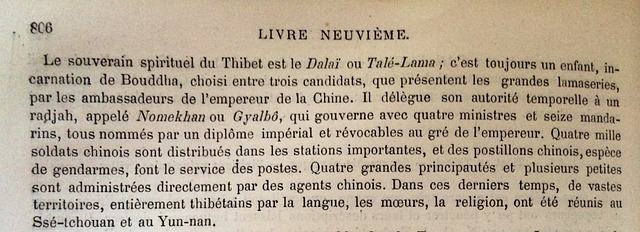
Translation memories (TMs) are powerful tools that revolutionize the translation process by leveraging previous translations to achieve consistency across projects. At their core, TMs store segments of text, such as phrases or sentences, along with their corresponding translations. When a translator encounters a similar segment in a new project, the TM suggests the previously translated equivalent, streamlining the workflow and enhancing efficiency. This method not only accelerates translation speed but also ensures terminological consistency throughout documents, making it a cornerstone of professional translation practices.
One of the key advantages of using TMs is the ability to translate naturally. Advanced translation techniques, including the use of TMs, enable translators to produce texts that flow seamlessly while maintaining accuracy. This naturalness is crucial in various genres, from technical documentation to literary works, where the original intent and style must be preserved or enhanced. For instance, consider a poet seeking to translate a complex metaphor accurately; a TM could provide a previous translation of a similar concept, allowing the translator to adapt and refine it creatively while adhering to the source text’s essence.
Proofreading and editing play a vital role in TM-assisted translation. While TMs offer suggestions, human intervention is essential to ensure quality. Editors review translated texts, checking for accuracy, readability, and adherence to stylistic guidelines. They also verify that the translated segments align with the context, preventing literal translations that might sound awkward or lose their intended meaning. Moreover, poetic license in translation—the creative adaptation of text while capturing its essence—can be employed effectively when using TMs. Visiting us at poetic license in translation can provide further insights into navigating this delicate balance, ensuring that translated works remain true to their originals while adapting to new linguistic contexts.
Machine Learning and Neural Networks in TM Systems
Machine Learning (ML) and Neural Networks (NNs) have revolutionized the field of translation memories (TMs), enabling systems to translate more naturally and accurately than ever before. TMs, at their core, are databases that store previously translated segments to facilitate faster and more consistent translations. By leveraging ML and NNs, TM systems can analyze vast amounts of data to identify patterns, understand context, and interpret cultural nuances in translation interpretation—a key differentiator between a good translation and a great one.
One of the most significant advantages of these advanced technologies is their ability to adapt to new linguistic contexts and cultural heritage documentation through translation. Neural machine translation (NMT) models, for instance, can learn from billions of words of text, allowing them to capture complex grammatical structures and idiomatic expressions. This adaptability ensures that translations remain accurate and relevant across various domains, including specialized fields like medicine or legal documents. Additionally, real-time translation tools powered by ML/NNs are becoming increasingly sophisticated, enabling seamless communication in diverse settings, from international conferences to virtual assistance.
However, as we delve deeper into the complexities of TM systems, quality assurance remains paramount. Ensuring high-quality translations involves more than just technological prowess; it necessitates rigorous testing and continuous improvement. At [Brand/NAP], we emphasize the importance of human oversight in conjunction with automated tools. Give us a call to learn how our experts blend oral and written translation strategies, leveraging ML/NNs while maintaining a keen eye for cultural heritage documentation and quality assurance. By combining cutting-edge technology with expert human judgment, we deliver translations that not only meet but exceed expectations, ensuring your message is conveyed accurately and naturally every time.
Best Practices for Maintaining an Effective TM

Translation Memories (TMs) are powerful tools that significantly enhance the efficiency and consistency of translation processes. At their core, TMs function as databases containing segments of previously translated text, allowing translators to access this global knowledge base for real-time reference during new projects. This not only facilitates faster translate naturally but also ensures cultural nuances in interpretation remain consistent across various documents. For instance, a TM can store phrases like “the bustling metropolis” or specific product names, enabling translators to recall these accurate translations instantly, reducing the need for constant lookup and enhancing overall productivity.
Best practices for maintaining an effective TM involve regular updates and meticulous editing. Translators should strive to create high-quality, contextually relevant entries that capture not just literal translations but also the intended meaning and cultural nuances. For example, when translating conference interpretation, understanding the subtle differences in idiomatic expressions across languages is crucial. This requires ongoing language immersion for translation professionals to stay attuned to these nuances. By consistently reviewing and refining TM segments, translators can ensure their accuracy and relevance, making them invaluable resources for future projects.
Data shows that well-maintained TMs can increase project turnaround times by up to 25% while maintaining or even improving translation quality. To maximize this benefit, it’s essential to adopt a systematic approach. This includes segmenting text into meaningful units, ensuring coverage of all target languages, and promoting active participation from the entire translation team. For instance, giving us a call at field research for accurate translation can provide expert insights tailored to specific challenges, ensuring that cultural nuances are not only understood but also seamlessly integrated into the TM. Additionally, integrating TMs with Translation Memory Management (TMM) software streamlines the process, enabling efficient sharing and collaboration among teams.
Ultimately, an effective TM is a living document that evolves with each project. By adhering to these best practices, translation professionals can harness the full potential of TMs, facilitating seamless communication across languages while preserving cultural integrity. This holistic approach not only translates words but also fosters genuine understanding, ensuring that messages are conveyed accurately and naturally, regardless of language barriers.
Translation memories (TMs) facilitate the translation process by capturing and storing source language phrases, enabling them to be reused in future translations. Key insights include understanding how TMs segment text for natural translation, leveraging previous translations for consistency, and employing machine learning to enhance performance. Best practices involve maintaining an up-to-date TM with relevant, high-quality translations, ensuring proper segmentation, and regularly reviewing and updating entries. By incorporating these strategies, translators can streamline their workflow, maintain linguistic accuracy, and translate naturally, making the most of advanced TM systems.
