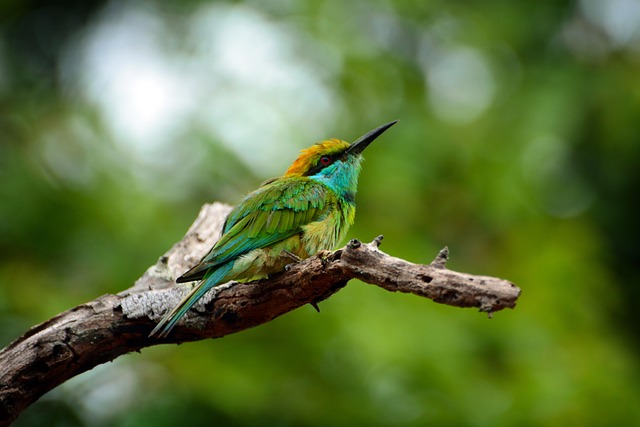
Bangladesh and Sri Lanka represent contrasting environmental conservation approaches shaped by geography and culture. Bangladesh focuses on climate resilience, water management, and community engagement, leveraging infrastructure projects and renewable energy. Sri Lanka prioritizes biodiversity protection through wildlife sanctuaries, national parks, anti-poaching measures, and grassroots education. Both countries balance development and conservation, offering valuable insights: Bangladesh's urban planning and community-driven tourism, vs. Sri Lanka's agroforestry and long-term community engagement. Their unique strategies showcase the importance of tailoring conservation models to specific contexts for sustainable development.
Environmental conservation is a global imperative, with each nation contributing unique strategies to mitigate ecological challenges. When comparing countries like Bangladesh and Sri Lanka, we find distinct approaches rooted in their respective landscapes and priorities. Bangladesh, facing rapid urbanization and coastal erosion, has implemented innovative initiatives such as mangrove reforestation and sustainable fisheries management. In contrast, Sri Lanka’s efforts focus on biodiversity conservation, including the establishment of national parks and community-based conservation programs. This article delves into these contrasting yet effective conservation models, offering insights into how different nations navigate their unique environmental landscapes.
- National Priorities: Bangladesh vs Sri Lanka's Environmental Focus
- Unique Strategies: Conserving Ecosystems in Diverse Lands
- Case Studies: Successes and Challenges in Conservation Efforts
- Community Engagement: People-Centric Approaches Across Nations
- Future Prospects: Innovative Solutions for Long-Term Sustainability
National Priorities: Bangladesh vs Sri Lanka's Environmental Focus

Bangladesh and Sri Lanka, two neighboring South Asian nations, exhibit distinct approaches to environmental conservation, shaped by their unique geographical, cultural, and social landscapes. While both countries grapple with common challenges like water scarcity and the need for sustainable development, their National Action Plans (NAPs) reflect unique priorities. Bangladesh, with its vast river systems and densely populated urban centers, has focused on building resilience against climate change and managing water resources. This includes ambitious infrastructure projects like the Meghna River Bridge and extensive efforts to harness renewable energy from rivers and tidal flows. In contrast, Sri Lanka, blessed with diverse ecosystems and a commitment to biodiversity conservation, has prioritized protecting its rich natural heritage, particularly in wildlife sanctuaries and national parks.
The social fabric of each nation also plays a role in their environmental strategies. Bangladesh, with its diverse religious demographics, has incorporated community engagement and cultural sensitivity into its conservation efforts, recognizing the importance of social integration and minority rights. This approach has led to innovative initiatives involving local fishing communities in coastal ecosystem preservation. Conversely, Sri Lanka leverages its strong national identity and cultural pride, exemplified by the popularity of cricket and other traditional games, to raise environmental awareness. Media campaigns often frame environmental issues as a collective responsibility, drawing parallels between sporting victories and the need for national unity in conservation efforts.
Despite these differences, both Bangladesh and Sri Lanka face similar pressures from rapid urbanization and economic development. According to recent data, both countries are experiencing significant growth in urban populations, which presents challenges related to infrastructure strain and environmental degradation. However, by learning from each other’s successes and tailoring conservation strategies to their unique contexts, these nations can forge a sustainable path forward. For instance, Bangladesh’s experience in building climate-resilient infrastructure could inform Sri Lanka’s urban planning efforts, while Sri Lanka’s commitment to biodiversity conservation offers valuable insights for Bangladesh’s ecosystem preservation initiatives. As urbanization trends continue to shape the future of both countries, giving us a call at [Urbanization Trends Contrast Between Bangladesh and Sri Lanka Language] will enable them to navigate these challenges with cultural sensitivity and environmental stewardship.
Unique Strategies: Conserving Ecosystems in Diverse Lands
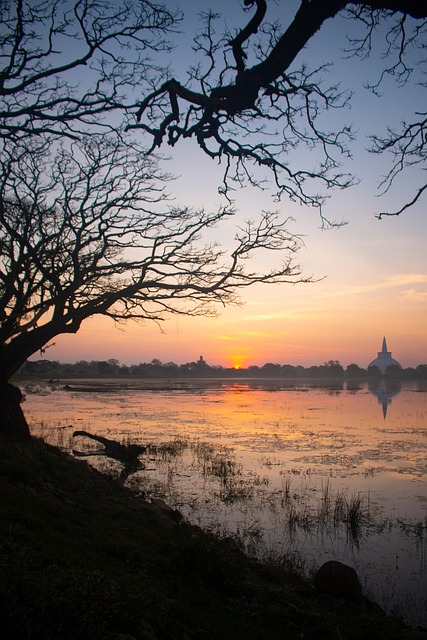
Bangladesh and Sri Lanka, two South Asian nations with distinct cultural and geographical landscapes, have each developed unique strategies for environmental conservation, shaped by their respective historical, social, and economic contexts. While both countries face similar challenges such as rapid urbanization, deforestation, and water pollution, their approaches to preserving ecosystems showcase fascinating differences.
In Bangladesh, the diverse official languages and linguistic diversity—with Bengali as the national language and English widely used—have influenced community-based conservation initiatives. Local communities play a pivotal role in protecting wetlands like the Sundarbans, a mangrove forest ecosystem that is home to the Bengal tiger. Through educational programs and awareness campaigns conducted in local dialects, the government engages citizens directly in conservation efforts. For instance, schoolchildren in Bangladesh participate in tree planting drives and clean-up activities, fostering an early sense of environmental stewardship. The country’s unique agricultural practices, including flood-resistant crop varieties, also contribute to sustainable farming techniques, ensuring food security while minimizing environmental impact.
Sri Lanka, known for its rich cultural heritage and linguistic diversity—with Sinhala and Tamil as the official languages—takes a different approach to ecosystem conservation. The nation prioritizes protecting biodiversity hotspots like Yala National Park, where extensive anti-poaching measures are in place, including community involvement and strict enforcement of wildlife protection laws. Sri Lanka’s emphasis on ecotourism has led to the development of sustainable practices within the industry, promoting responsible visitor management and conservation funding. Moreover, the country’s unique gender roles and family dynamics—with a tradition of women’s active participation in environmental initiatives—have contributed to successful community-led conservation projects. For example, the “Women for Wildlife” movement in Sri Lanka empowers local women to monitor and protect endangered species, demonstrating a powerful model for community engagement.
Comparing Bangladesh and Sri Lanka, we observe that while both nations share similar ecological concerns, their unique strategies reflect cultural nuances, linguistic diversity, and varying historical paths. Official languages and education systems play pivotal roles in shaping conservation consciousness, while agricultural practices and gender dynamics influence the methods employed to preserve these diverse ecosystems. Understanding these differences offers valuable insights into effective conservation models tailored to specific regional contexts, encouraging a more nuanced approach to environmental protection worldwide.
Case Studies: Successes and Challenges in Conservation Efforts

Bangladesh and Sri Lanka, two South Asian nations, present intriguing contrasts when it comes to environmental conservation efforts. Each country has embarked on its unique journey, facing distinct challenges and achieving notable successes in their conservation narratives. This case study explores how these nations have navigated the complexities of balancing economic development with ecological preservation.
In Bangladesh, where rapid urbanization and a dense population pose significant environmental pressures, conservation initiatives have often centered around water body management and coastal ecosystem preservation. The country’s efforts in implementing sustainable practices within its thriving tourism industry are noteworthy. For instance, community-based ecotourism projects in the Sundarbans, one of the world’s largest mangrove forests, have empowered local communities while minimizing ecological impact. Bangladesh has also made significant strides in press freedom, allowing for an open dialogue on environmental issues. This freedom has fostered a sense of public awareness and participation in conservation efforts. However, challenges remain, particularly in enforcing environmental regulations amidst rapid industrialization.
In contrast, Sri Lanka’s conservation story is characterized by a robust legal framework and a strong emphasis on biodiversity protection. The country boasts a diverse range of ecosystems, from tropical rainforests to coastal habitats. Its successful wildlife conservation programs have led to the recovery of endangered species like the Sri Lankan elephant and leopard. Moreover, Sri Lanka has leveraged its popular sports and athletic achievements to promote environmental awareness, using sporting events as platforms for ecological education. Yet, like Bangladesh, it faces the dilemma of balancing development with conservation, especially in the face of growing tourism demands.
A key difference between the two nations lies in their approaches to press freedom and censorship. Sri Lanka’s media environment has seen tighter controls, which can impact public discourse on environmental matters. In contrast, Bangladesh’s more open media landscape allows for robust debates and criticisms, fostering a vibrant civil society engaged in conservation discussions. To address these challenges, both countries could benefit from enhancing cross-sectoral collaboration, encouraging community involvement, and promoting sustainable practices across various industries, especially in the context of tourism. By learning from each other’s successes and adapting strategies to their unique contexts, Bangladesh and Sri Lanka can continue to forge ahead in their environmental conservation journeys. Visit us at urbanization trends contrast between Bangladesh and Sri Lanka to explore these dynamics further.
Community Engagement: People-Centric Approaches Across Nations
Community engagement forms a cornerstone of environmental conservation efforts across nations, with each country adopting unique people-centric approaches tailored to their specific needs and contexts. Bangladesh, for instance, has seen remarkable progress in engaging communities in sustainable practices implementation, particularly in the realm of tourism. The country’s democratic evolution has fostered a strong sense of civic participation, enabling initiatives like eco-friendly beach management and community-led tourism projects that preserve natural wonders while enhancing local livelihoods. In contrast, Sri Lanka boasts a different yet equally effective strategy, focusing on grassroots education and capacity building to empower communities to take charge of their environmental destiny. This approach has been instrumental in the successful conservation of its biodiversity-rich landscapes.
Both nations face economic and developmental challenges that significantly impact their conservation efforts. Bangladesh, with its densely populated cities, navigates urban sprawl and pollution through community-driven initiatives aimed at sustainable urbanization. On the other hand, Sri Lanka tackles deforestation and land degradation by involving local farmers in agroforestry practices, demonstrating a holistic understanding of the interconnectedness between economic development and environmental preservation. The developmental trajectories of both countries offer valuable insights into effective conservation strategies: Bangladesh’s rapid growth highlights the need for inclusive environmental policies while Sri Lanka’s stability underscores the importance of long-term community engagement.
Comparing medical infrastructure and health outcomes, it’s evident that successful conservation efforts extend beyond the environment to encompass public health. Bangladesh has leveraged technology to improve healthcare access in remote areas, fostering a sense of shared responsibility for both environmental and health outcomes. In Sri Lanka, similar digital initiatives complement traditional community engagement methods, ensuring that knowledge and resources reach every corner of society. Ultimately, these nations’ unique approaches to community engagement exemplify the power of combining democratic principles with sustainable practices, offering valuable lessons for other countries striving to balance economic development with environmental conservation.
Future Prospects: Innovative Solutions for Long-Term Sustainability
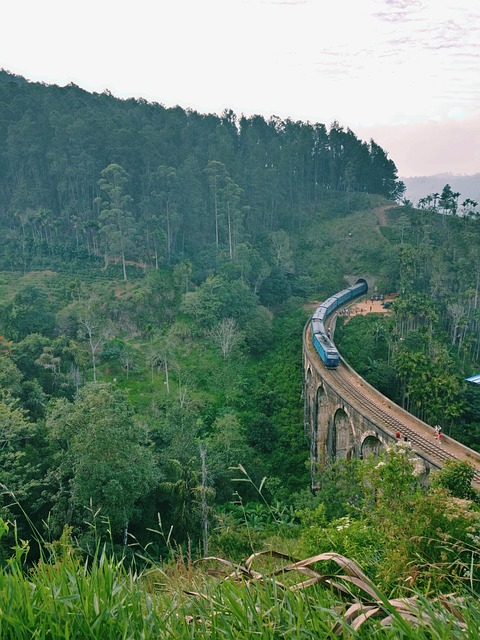
The contrast between Bangladesh and Sri Lanka, two post-colonial nations with distinct historical trajectories, offers a fascinating study in environmental conservation efforts and future prospects. While both countries face challenges such as urbanization trends and the need for sustainable practices implementation in tourism, their approaches to environmental stewardship differ significantly. Bangladesh, with its unique geographic location and dense population, prioritizes adapting to climate change and managing water resources, reflecting its history of natural disasters and riverine culture. In contrast, Sri Lanka, boasting a rich biodiversity and diverse landscapes, focuses on conservation initiatives aimed at preserving its unique flora and fauna, including protected areas and sustainable agriculture practices.
Bangladesh has made notable strides in integrating innovative solutions for long-term sustainability, such as the adoption of renewable energy sources to reduce carbon emissions and the implementation of resilient infrastructure projects to mitigate the impacts of rising sea levels. The country’s extensive coastal zones and deltaic environment have driven the development of advanced flood management systems, providing valuable insights into navigating future climate challenges. On the other hand, Sri Lanka has been proactive in promoting sustainable tourism, focusing on eco-friendly practices that preserve its cultural heritage and natural beauty. The nation’s successful integration of ecological conservation with economic development offers a compelling model for other nations grappling with post-colonial development contrasts.
The topographic comparison between Bangladesh and Sri Lanka reveals stark differences, with Bangladesh’s low-lying deltas and floodplains contrasting Sri Lanka’s mountainous terrain and diverse ecosystems. These geographical factors play a significant role in shaping each nation’s environmental conservation strategies, influencing everything from water resource management to biodiversity preservation. As both countries continue to grapple with urbanization trends, their respective paths towards sustainability will be crucial in determining their future prospects. By learning from each other’s successes and challenges, Bangladesh and Sri Lanka can forge ahead, creating a harmonious balance between economic development and environmental conservation—a testament to the resilience and adaptability of these two nations.
The article highlights the diverse environmental conservation efforts of Bangladesh and Sri Lanka, offering valuable insights into national strategies. Key learnings include the importance of tailored approaches—Bangladesh’s focus on coastal ecosystem restoration contrasts with Sri Lanka’s land-based biodiversity protection. Both nations demonstrate successful community engagement, a crucial element for long-term sustainability, as seen in their respective programs. The case studies reveal challenges but also innovative solutions, emphasizing the potential for collaboration and adaptation across borders. By comparing Bangladesh vs. Sri Lanka, this article underscores the global applicability of these conservation models, providing practical next steps for nations worldwide to embrace unique, effective strategies for environmental stewardship.