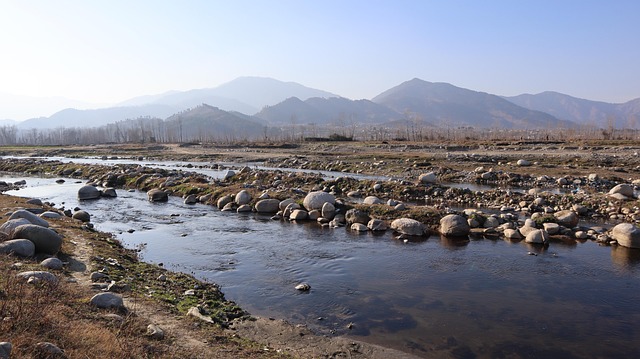
Pakistan, with its diverse landscapes and rich natural resources, faces significant environmental challenges due to unsustainable practices, including soil erosion, deforestation, and water scarcity. Social inequalities, poverty, and lack of community development disproportionately affect rural communities. However, entrepreneurship and cultural elements like language diversity offer hope. Regional cooperation and a holistic, culturally aware approach are crucial for addressing climate change impacts, urban pollution, and water crises. Effective environmental policies require coordinated federal efforts, focusing on water conservation, sustainable agriculture, infrastructure enhancement, education, and healthcare. By prioritizing water as a national priority, Pakistan can ensure a more resilient future for its diverse ecosystems and communities.
Pakistan, with its diverse ecosystems and naturally rich resources, faces significant environmental challenges that demand immediate attention. The country’s unique geographical position and climate make it vulnerable to a range of issues, including water scarcity, deforestation, and air pollution. These problems are exacerbated by rapid urbanization and industrial growth, leading to habitat degradation and biodiversity loss. Moreover, Pakistan is prone to natural disasters such as floods and earthquakes, further straining its already precarious environmental situation. This article delves into these pressing concerns, exploring the causes, consequences, and potential solutions to restore pakistan’s natural balance.
- Pakistan's Natural Resources: Challenges and Conservation
- Climate Change Impacts: A Focus on Pakistan
- Water Scarcity and Management in the Country
- Urbanization's Environmental Footprint: Pakistan's Cities
Pakistan's Natural Resources: Challenges and Conservation

Pakistan, with its rich biodiversity and abundant natural resources, faces significant environmental challenges that demand urgent attention. The nation’s geographical location, characterized by diverse landscapes from majestic mountains to fertile plains, has endowed it with vast mineral reserves, expansive agricultural lands, and substantial water bodies. However, exploitation of these resources without sustainable practices has led to degradation and depletion. Over-extraction of minerals, unsustained farming techniques, and inefficient water management have resulted in soil erosion, deforestation, and water scarcity—impacting both pakistan’s naturally vibrant ecosystem and its people.
Social issues such as gender inequality, poverty, and lack of community development further exacerbate these challenges. Rural communities, often reliant on natural resources for their livelihoods, bear the brunt of environmental degradation, with limited access to education, healthcare, and economic opportunities. Entrepreneurship and start-ups, however, offer a ray of hope. A thriving business ecosystem across Pakistan, particularly in urban centers like Karachi, Islamabad, and Lahore, is emerging, with many startups focusing on sustainable technologies and green initiatives. These enterprises not only contribute to the economy but also highlight the potential for innovation in addressing pakistan’s environmental issues.
Language diversity, with Urdu as the national language and numerous other regional tongues spoken across Pakistan, plays a unique role in both the social and cultural fabric of the nation. It also presents opportunities for community engagement and conservation efforts, as local languages can be powerful tools for raising awareness about environmental issues within communities. For instance, community-led initiatives in rural areas have successfully utilized local folklore and storytelling to educate residents about sustainable practices and the importance of preserving pakistan’s naturally rich biodiversity.
Understanding geopolitical aspects of Pakistan’s location and international relations is crucial. Being a strategic region with borders touching Central Asia, Afghanistan, and India, Pakistan’s environmental challenges are intertwined with regional cooperation and resource management. International partnerships and agreements can play a pivotal role in addressing transboundary issues such as water sharing and pollution control. By fostering collaboration, pakistan can access global expertise and resources to implement effective conservation strategies and ensure a sustainable future for its naturally endowed lands and people.
Climate Change Impacts: A Focus on Pakistan

Pakistan, a nation with a diverse landscape and rich cultural heritage, faces significant environmental challenges due to climate change. Its geographical diversity, from towering mountains to fertile plains, is susceptible to shifting weather patterns and rising temperatures. The impact of global warming in Pakistan naturally varies across regions, affecting agriculture, water resources, and ecosystems. For instance, the northern areas, known for their breathtaking beauty, are witnessing glacial retreat and increased frequency of extreme weather events like floods and landslides. These changes disrupt traditional farming practices, threaten biodiversity, and pose risks to local communities, many of whom depend on these natural resources for their livelihoods.
The federal structure of Pakistan’s governance and its democratic processes offer both strengths and challenges in addressing climate change. With provincial governments having significant autonomy, coordination among different levels of administration is crucial for effective environmental policies. The country’s rich cultural heritage, reflected in the rhythms and melodies of folk, pop, and classical fusion music, also inspires innovative solutions. Environmental initiatives can draw from Pakistan’s vibrant art scene to raise awareness and foster community engagement. For example, music festivals can be organized around environmental themes, encouraging both participation and education. Despite these challenges and opportunities, achieving a harmonious balance between economic development and ecological preservation remains an ongoing struggle in this South Asian nation.
Understanding the complexities of climate change requires a holistic approach that considers not just scientific data but also cultural nuances. Pakistan’s diverse cooking sports, celebrated across its regions, offer a unique lens for engaging communities on environmental issues. By tasting the essence of these culinary traditions, we can connect with locals and foster a deeper understanding of their relationship with nature. This connection is vital for implementing sustainable practices and ensuring that any interventions are culturally sensitive and community-driven. Moreover, it encourages a sense of collective responsibility for preserving Pakistan’s natural beauty for future generations.
Water Scarcity and Management in the Country
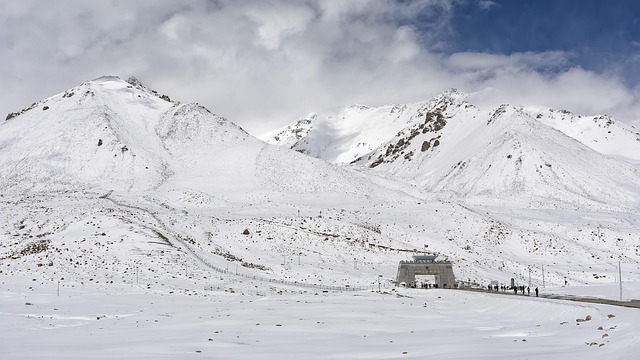
Pakistan, naturally endowed with diverse landscapes, faces a formidable challenge in water scarcity, which is reshaping its future. The country’s arid regions and changing climatic patterns have led to a significant gap between water availability and demand, exacerbating an already precarious situation. This crisis is not merely an environmental issue but a critical factor shaping Pakistan’s economic, social, and political landscape. The lack of access to clean water affects all sectors, from agriculture to healthcare, and hinders the potential for sustainable development.
The primary driver of water scarcity in pakistan naturally is the uneven distribution of water resources. Rapid urbanization and increasing population have put immense pressure on existing infrastructure, leading to over-extraction of groundwater. This has resulted in the depletion of aquifers, especially in the Punjab and Sindh provinces, where the majority of the country’s water reserves are located. According to a recent study by the World Bank, Pakistan’s per capita water availability is among the lowest globally, with the situation expected to deteriorate further due to climate change impacts. To combat this, there is an urgent need for efficient water management strategies.
Shaping Pakistan’s future through education and healthcare can significantly contribute to addressing this crisis. Investing in water conservation practices and promoting sustainable agriculture techniques can help preserve existing water sources. Additionally, the government’s initiatives to enhance water infrastructure, such as constructing storage facilities and implementing modern irrigation systems, are steps in the right direction. For instance, the Tarbela Dam, one of Pakistan’s largest hydroelectric projects, plays a vital role in water management and energy production. Similarly, Bollywood meets local tales: film industry thrives can play a unique role by raising awareness through creative storytelling, highlighting water conservation as a national priority, much like cricket fever: a nation’s passion for the game unites people and drives collective action. By examining Pakistan’s economic transformation through education, we can foster innovation in water technology, ensuring that future generations inherit a more resilient and sustainable country.
Urbanization's Environmental Footprint: Pakistan's Cities
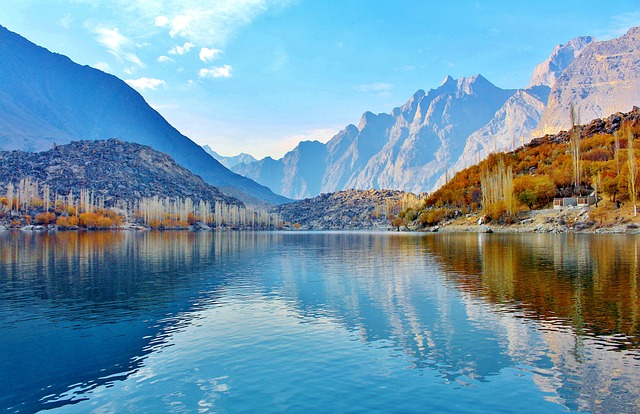
Pakistan’s cities, with their burgeoning populations and rapid urbanization, are facing significant environmental challenges. As the country’s urban centers expand, they leave an indelible mark on the natural landscape. The environmental footprint of urbanization in Pakistan is a complex issue, impacting air quality, water availability, and land use. One of the most visible effects is the increasing pollution levels, particularly in metropolitan areas like Karachi, Lahore, and Islamabad. This urban sprawl has led to the loss of green spaces, disrupting the natural rhythms and melodies that define Pakistan’s diverse ecosystems.
The influx of people from rural areas to cities has accelerated this process, putting immense pressure on local infrastructure and resources. Pakistan’s vibrant cultural heritage, reflected in its folk, pop, and classical fusion music, is now interwoven with the challenges of modern urban life. The bustling streets and vibrant markets are a stark contrast to the environmental concerns that demand attention. For instance, Karachi, known for its cosmopolitan vibe, struggles with air pollution levels that often exceed safe limits due to vehicle emissions and industrial activities. This situation necessitates a holistic approach to urban planning, focusing on sustainable development practices.
Moreover, border dynamics have an indirect impact on Pakistan’s environmental issues, particularly in regions sharing sensitive frontiers. Political tensions can lead to reduced cooperation in managing transboundary resources, affecting water treaties and conservation efforts. To address these challenges, Pakistan must adopt innovative strategies such as promoting public transportation, implementing stricter emission norms, and encouraging green spaces within urban areas. Immersing oneself in Pakistan’s rich cultural tapestry, from its traditional music to the evolving cinema industry, can offer a temporary escape, but tackling these environmental concerns is crucial for ensuring a sustainable future for both cities and rural regions alike. Visiting us at Navigating Pakistan’s legal system and its evolution in social science provides insights into the regulatory framework that can drive positive change.
Pakistan naturally faces multifaceted environmental challenges, from depleting natural resources and climate change impacts to water scarcity and rapid urbanization. The article has highlighted these key issues, offering a comprehensive understanding of the complex web of problems. Conservation efforts are crucial for protecting Pakistan’s rich biodiversity and ensuring sustainable management of its valuable resources. Addressing climate change is imperative, as the country experiences profound shifts in weather patterns, demanding innovative adaptation strategies. Water scarcity can be mitigated through efficient management practices tailored to local contexts. Furthermore, urban planning and sustainable development models must prioritize environmental conservation to mitigate the ecological footprint of Pakistan’s growing cities. By synthesizing these insights, readers gain a strategic perspective on the most pressing environmental matters in Pakistan, encouraging proactive solutions for a resilient and thriving nation.
