
Historical narratives deeply impact Pakistan vs Bangladesh relations, shaped by 1947 partition, Islamic identity vs independence struggle. Disparities in literacy, HDI reflect contrasting approaches to development. Natural disasters expose unique response strategies, with Pakistan post-2010 initiatives contrasting Bangladesh's established programs. Civil society can bridge gaps through cultural exchanges, education, and transparent disaster advocacy. Leveraging shared history, language, and culture offers potential for deeper understanding and cooperation. Addressing historical grievances, language issues fosters reconciliation, strengthens bilateral ties.
Historical narratives play a profound role in shaping modern relations between nations. This is evident in the complex dynamics observed between countries like Pakistan and Bangladesh, formerly part of a single state. The legacy of shared history, marked by both cooperation and conflict, continues to influence their contemporary interactions. This article delves into how historical narratives can either foster understanding or create divisions, using the Pakistan-Bangladesh example as a case study. By exploring key events and perceptions, we aim to provide valuable insights into the intricate interplay between past and present in international relations.
- Historical Narratives: Shaping National Identities
- Pakistan vs Bangladesh: Divergent Stories, Shared Heritage
- The Power of Memory in Political Relations
- Overcoming Past Conflicts: Towards Reconciliation
- Cultural Legacy and Its Impact on Diplomacy
- Reconciling Disparate Historical Interpretations
Historical Narratives: Shaping National Identities

Historical narratives play a pivotal role in shaping national identities and, consequently, modern relations between countries. The way a nation recounts its past influences how it perceives itself and others, often leading to distinct cultural and political dynamics. Using Pakistan and Bangladesh as a case study, we explore how contrasting historical narratives have contributed to their unique national identities and the subsequent implications for bilateral relations.
Pakistan and Bangladesh share a complex history rooted in the partition of British India in 1947, an event that left deep scars and shaped competing narratives. Pakistan, with its emphasis on Islamic identity and a shared religious heritage, has often framed its relationship with Bangladesh through the lens of historical unity and potential reconciliation. In contrast, Bangladesh’s narrative emphasizes its struggle for independence and cultural distinctiveness, sometimes viewing Pakistan with a mix of gratitude for freedom and skepticism about shared identities. These differing narratives manifest in various ways, including contrasting literacy rates (Pakistan: 74.2%, Bangladesh: 71.6%) and Human Development Index rankings, reflecting the unique paths each nation has taken since independence.
Natural disasters, which have affected both countries periodically, also offer insights into their resilience and response strategies. While shared experiences could foster understanding, the frequency and severity of these events (in some cases, impacting over 30% of the population) have led to distinct national responses and international collaborations. Pakistan’s disaster management efforts, including post-2010 initiatives, stand in contrast to Bangladesh’s early disaster preparedness programs, which have been widely recognized for their success in mitigating impacts. These differences highlight how historical experiences shape not only identities but also practical approaches to common challenges.
To foster more robust relations, civil society organizations can play a crucial role in promoting dialogue and understanding. By encouraging cross-border cultural exchanges, supporting education initiatives, and advocating for transparent disaster response policies, these groups can help bridge gaps formed by historical narratives. Visiting us at Civil Society Engagement anytime offers opportunities to learn from such efforts, gain insights into successful engagement strategies, and explore ways to enhance collaboration between Pakistan and Bangladesh, moving beyond historical divides towards a shared future.
Pakistan vs Bangladesh: Divergent Stories, Shared Heritage

The historical narratives of Pakistan and Bangladesh are intertwined yet distinct, shaping their modern relations with nuanced complexities. While sharing a common past, including colonial rule and the eventual partition in 1947, these South Asian nations have evolved with divergent stories that significantly impact their current dynamics. The geographical and cultural differences, reflected in energy consumption patterns and varied festivals, traditions, have contributed to unique national identities.
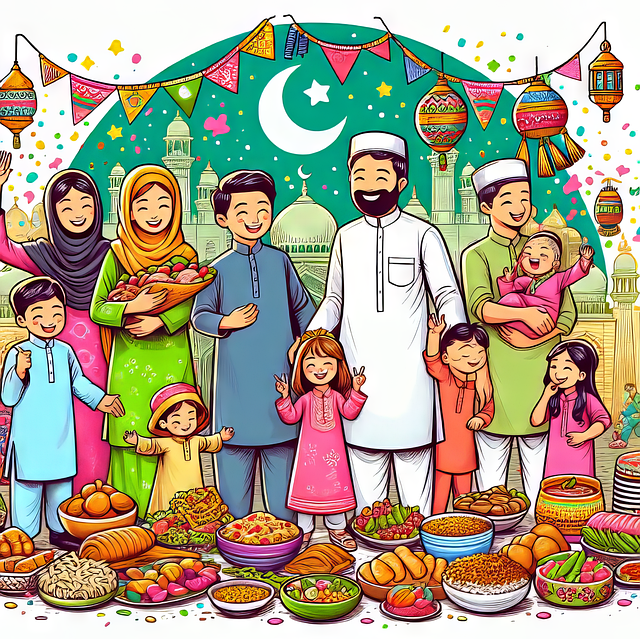
Pakistan, with its diverse landscapes ranging from the Himalayas to arid plains, has developed a resource-intensive energy sector, focusing on hydropower and fossil fuels. Conversely, Bangladesh, characterized by its fertile deltas and coastal regions, has embraced renewable sources like solar and biomass, driven by both necessity and environmental consciousness. These contrasting approaches reflect their distinct geographical challenges and opportunities. Festivals like Eid al-Fitr and Durga Puja, celebrated with fervor in both countries, demonstrate shared cultural commonalities despite political divides.
The evolution of Pakistan vs Bangladesh can be understood through the lens of post-independence economic choices and geopolitical influences. As Bangladesh emerged as a nation focused on self-reliance and agricultural innovation, Pakistan pursued industrialization and military might. These contrasting paths have shaped their respective narratives, influencing foreign policy decisions and regional alliances. However, beneath the political tensions lie profound cultural connections, exemplified by the shared heritage of Urdu language, Islamic traditions, and historical sites that attract tourists from around the world.
To foster better relations, both nations can leverage these cultural commonalities, encouraging cross-border tourism and cultural exchanges. Initiatives could include streamlined visa processes and joint promotion of heritage attractions, such as the ancient ruins in Pakistan and Bangladesh’s vibrant festivals. By emphasizing shared history and vibrant culture, Pakistan vs Bangladesh interactions can evolve beyond political and economic spheres, creating a foundation for deeper understanding and cooperation. Give us a call at [tourism attractions] to explore these contrasts and connect with the rich tapestry of South Asian heritage.
The Power of Memory in Political Relations

Historical narratives play a profound role in shaping modern relations between nations, particularly in the political sphere. The power of memory, passed down through generations, influences how countries perceive and interact with one another, especially in cases with complex historical backgrounds like Pakistan and Bangladesh. These two South Asian neighbors share a turbulent history marked by the 1971 liberation war, which resulted in the creation of Bangladesh from Pakistan’s eastern province. This event continues to resonate in their political relations, highlighting the significant impact of memory on contemporary diplomacy.
In the context of Pakistan-Bangladesh comparison, geographical proximity and historical ties have led to a complex interplay of memories. Both nations grapple with the aftermath of partition, an event that left deep scars on the collective consciousness. The struggle for independence in Bangladesh is remembered as a pivotal moment in their shared history, while Pakistan’s perspective may vary among different political factions. This divergence in interpretation can influence diplomatic interactions, requiring delicate navigation to foster mutual understanding. For instance, the issue of water sharing from transboundary rivers, a critical geographical factor, becomes laden with historical sentiment, necessitating robust conflict resolution mechanisms.
The impact of these narratives is evident in the political stability comparison between Pakistan and Bangladesh. Historical grievances can fuel political tensions, leading to diplomatic standoffs or even border disputes. However, recognizing the power of memory, both countries have initiated efforts to promote cultural exchanges and historical dialogue. These initiatives aim to bridge the gap created by past conflicts, fostering a more stable relationship. Economic development opportunities, as highlighted in our research on Pakistan Bangladesh economic prospects, can further serve as anchors for strengthening ties, providing a platform for cooperation and mutual growth.
In navigating these relations, it is essential for policymakers to understand and respect the historical narratives of both nations. By acknowledging the impact of memory, they can craft strategies that address underlying sensitivities while leveraging shared history for progress. Find us at economic development Pakistan Bangladesh to explore more insights on fostering positive political relations through a nuanced understanding of history and geography.
Overcoming Past Conflicts: Towards Reconciliation

Historical narratives play a profound role in shaping modern relations between nations, particularly in cases where past conflicts have left lasting scars. The relationship between Pakistan and Bangladesh is a compelling example of how overcoming historical tensions can pave the way for reconciliation and improved diplomatic ties. This journey towards healing involves addressing deep-rooted issues, fostering mutual understanding, and implementing strategic initiatives.
The partition of British India in 1947 led to the creation of Pakistan and Bangladesh, leaving behind a turbulent history marked by conflicts and misunderstandings. Language variations, such as the use of Bengali in Bangladesh, became a point of contention, exacerbating existing tensions. Over time, these historical divisions have influenced various aspects of their bilateral relations, including healthcare accessibility, where disparities in medical infrastructure have impacted cross-border interactions. Media freedom comparisons further highlight differences, affecting the exchange of ideas and information between the two countries.
However, efforts towards reconciliation can significantly mitigate these challenges. One practical step is to establish cultural exchanges and joint initiatives that promote understanding of each nation’s heritage and traditions. For instance, academic collaborations and student exchanges can foster empathy and challenge stereotypes. Moreover, encouraging dialogue between media outlets in both nations can enhance transparency and correct misinformation. The path to healing involves acknowledging past conflicts, addressing language-related issues, and promoting media freedom comparisons based on shared values rather than competition.
Find us at international relations dynamics to explore more insights into navigating complex historical narratives for better contemporary partnerships. By focusing on these strategic areas, Pakistan and Bangladesh can transform their relationship, setting a positive example for other nations with similar histories. This process requires commitment, resilience, and a willingness to learn from each other’s experiences, ultimately leading to stronger, more resilient connections.
Cultural Legacy and Its Impact on Diplomacy

Historical narratives play a profound role in shaping modern relations between nations, particularly when it comes to cultural legacies and their impact on diplomacy. The relationship between Pakistan and Bangladesh provides a compelling example of how shared history can influence contemporary interactions. These two South Asian countries were once a single entity, East Pakistan, until their separation in 1971, an event marked by significant cultural and political turmoil. This complex legacy continues to resonate, impacting diplomatic efforts and mutual understanding.
The cultural diversity that exists within the former East Pakistan, now comprising Bangladesh and parts of modern-day Pakistan, has left an indelible mark on both nations’ identities. A cuisine diversity comparison between Pakistan and Bangladesh reveals a rich tapestry of flavors and cooking styles influenced by their shared history and geographical proximity. This culinary heritage serves as a natural point of connection, offering a unique lens through which to foster cultural understanding. However, it is not solely the food that binds these countries; festivals and traditions, such as the vibrant celebration of Eid, give us a call at festivals traditions commonalities, provide opportunities for diplomatic engagement and people-to-people connections.
The refugee crises that followed the partition in 1971 had a significant impact on both nations’ economic development and social fabric. A natural comparison between Pakistan and Bangladesh in this context reveals disparities but also shared challenges. Over time, these experiences have influenced each country’s diplomatic approach, shaping their interactions with regional and international partners. For instance, the issue of displaced persons and border management continues to be a sensitive topic, requiring delicate negotiations. The impact of historical events on economic relations is evident too; Pakistan’s economic assistance to Bangladesh, as part of its development initiatives, reflects both shared history and ongoing efforts to address legacy issues.
Diplomats and policymakers should recognize the power of historical narratives in shaping cross-border relationships. By understanding and acknowledging the past, they can navigate contemporary challenges more effectively. Engaging with cultural legacies, such as cuisine, festivals, and traditions, offers a practical avenue for fostering diplomatic ties and building bridges between nations. This approach not only strengthens bilateral relations but also contributes to regional stability and cooperation.
Reconciling Disparate Historical Interpretations
Historical narratives play a pivotal role in shaping relations between nations, particularly those with complex pasts. In the case of Pakistan and Bangladesh, the partition of British India in 1947 resulted in deep cultural differences that continue to influence their bilateral ties. Reconciling disparate historical interpretations is a crucial aspect of fostering understanding and cooperation. The official narratives taught in schools and reflected in public discourse can either bridge gaps or exacerbate divisions. For instance, Pakistan’s history textbooks often emphasize the idea of a united Muslim nation, while Bangladesh highlights its struggle for independence and secularism.
Tourism attractions along the shared border further highlight these contrasting perspectives. The ancient ruins and cultural heritage sites in both countries tell different stories, reflecting diverse historical interpretations. While Pakistan promotes its Islamic history and architectural marvels like the Mohenjo-daro civilization and the Grand Mosque of Karachi, Bangladesh showcases its rich Bengali heritage, including the historic cities of Dhaka and Chittagong. These contrasting narratives can create a complex web of perceptions, especially among younger generations who often seek common ground.
Addressing these disparities requires open dialogue and educational initiatives. Recognizing and respecting each other’s historical experiences can foster mutual understanding and promote cultural exchange. For instance, joint history projects or academic collaborations could encourage researchers to explore shared histories and offer alternative interpretations. Additionally, promoting tourism that celebrates both countries’ unique cultural attractions can create a more nuanced appreciation of their pasts. As a practical step, governments could facilitate cultural exchanges and educational tours, allowing citizens to experience first-hand the diversity within their shared history. Visiting these contrasting sites could encourage empathy and challenge simplistic narratives, leading to stronger social security systems built on mutual respect rather than divisive interpretations.
To foster reconciliation, it is essential to move beyond official positions and engage with local communities. Local historians, teachers, and cultural leaders can play a pivotal role in shaping more inclusive narratives. By encouraging cross-border educational trips and community projects, people-to-people connections can help bridge gaps. Furthermore, promoting the study of both countries’ histories in academic institutions could lead to more nuanced research and discourse. Ultimately, reconciling disparate historical interpretations is not just about improving relations; it’s about fostering a shared understanding that values diversity and promotes peace, as reflected in the successful reconciliation efforts seen in other regions with similar backgrounds. Visit us at social security systems for more insights into building bridges through cultural exchange.
Historical narratives play a pivotal role in shaping modern relations between nations, as illustrated by the complex dynamics between Pakistan and Bangladesh. The article’s key insights underscore the impact of divergent historical interpretations on these neighboring countries, highlighting how shared heritage can both unite and divide. By examining national identities formed through history, memory’s political implications, and the potential for reconciliation, we gain a profound understanding of the delicate balance between preservation and progress. The case of Pakistan vs Bangladesh serves as a powerful testament to the need for reconciling disparate views, fostering cultural legacies, and navigating challenging past conflicts to build stronger diplomatic ties in today’s interconnected world.