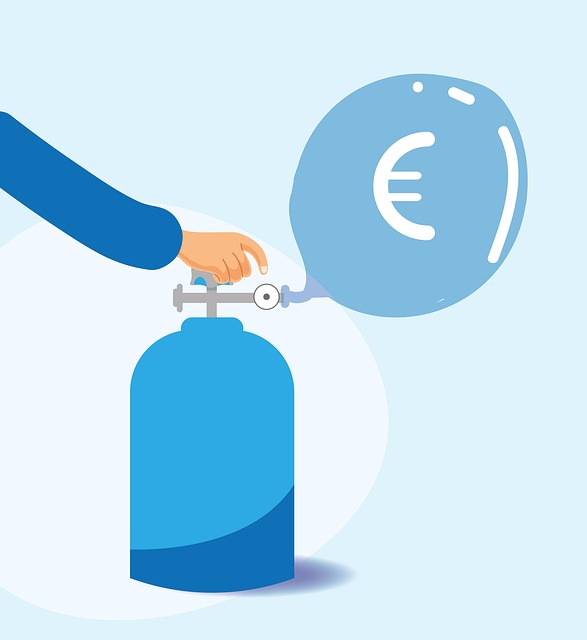
Master price negotiations by leveraging data-driven strategies. Segment pricing, analyze market trends, and employ psychological tactics to gain supplier advantages. Build strong relationships through trust, transparency, and collaborative models like tiered pricing. Understand consumer psychology to identify mental price points. Foster partnerships with incentives, bulk discounts, and mutual marketing for long-term cost savings.
Negotiating better deals with suppliers is a critical skill for any business aiming to optimize costs and maintain profitability. In today’s competitive market, securing lower prices without compromising quality can be the difference between staying afloat and struggling. However, many businesses underestimate the complexity of this process, often leaving significant savings on the table. This article provides an in-depth guide to mastering supplier negotiations, focusing on strategies that foster mutually beneficial relationships while driving down costs naturally. By employing these techniques, businesses can unlock substantial value, ensuring they receive fair prices without compromising their long-term strategic partnerships.
- Research and Understand Supplier Markets
- Strategize with Data: Negotiation Tactics for Better Prices
- Build Long-Term Relationships for Cost Savings
Research and Understand Supplier Markets

To negotiate better deals with suppliers for lower prices, understanding your supplier markets is a crucial first step. This involves delving into the dynamics of their operations, including production costs, market trends, and competition. Researching these factors empowers you to approach negotiations armed with knowledge—a powerful tool in securing more favorable terms. For instance, examining industry benchmarks on pricing strategies like cost-plus pricing can provide insights into what’s reasonable and where there might be room for adjustment.
Leveraging the psychology behind consumer pricing is another strategic move. Suppliers are not immune to psychological pricing triggers; understanding these can help you frame your negotiations effectively. For example, proposing a bundle pricing structure—offering a package of products or services at a discounted rate—can attract suppliers, as it reduces their transaction costs and increases perceived value for them. This tactic has been shown to deliver significant cost savings, especially when bundling complementary goods or services that naturally go together.
Furthermore, stay informed about market fluctuations and economic indicators that can influence pricing. In today’s dynamic business landscape, these factors play a substantial role in determining fair price. By staying ahead of trends and changes in supplier markets, you’re better positioned to negotiate. Remember that, as a savvy buyer, your ability to navigate these complexities not only ensures lower prices but also fosters stronger, more mutually beneficial relationships with suppliers—a key factor in achieving long-term success in any business venture.
When researching and strategizing, consider the supplier’s perspective. They’re not just selling products; they’re aiming for profitability too. A balanced approach that accounts for both your needs for lower prices and their requirements for sustainable profit margins can lead to more satisfying outcomes. Find us at determining fair price by aligning your research with these principles, ensuring that negotiations remain professional, respectful, and ultimately productive.
Strategize with Data: Negotiation Tactics for Better Prices

Strategizing with data is a powerful approach to negotiating better deals with suppliers for lower prices. By leveraging price segmentation techniques, you can tailor your negotiations based on product categories, order volumes, or even supplier performance metrics. For instance, consider a retail chain that segments its pricing based on product type. During contract renewals, they might offer higher discounts on slow-moving items while maintaining smaller adjustments for fast-selling goods. This data-driven approach not only ensures fair price negotiations but also aligns with market dynamics and supplier capabilities.
Developing robust negotiating skills is crucial for achieving these better prices. Start by gathering comprehensive data on industry benchmarks, competitor pricing, and historical supplier performance. Analyze these insights to identify potential areas of price discrimination: advantages and ethics beguile when wielded strategically. For example, a manufacturer could offer lower rates to early adopters or long-term partners, fostering loyalty while managing cash flow more effectively. However, transparency remains paramount; suppliers should be informed about the rationale behind pricing variations to maintain trust.
Moreover, understanding price discrimination’s ethical dimensions is vital. While it can provide significant advantages, ensuring fairness among all stakeholders is non-negotiable. For instance, offering lower prices to smaller businesses due to their limited negotiating power raises concerns about sustainable pricing practices. Therefore, when employing price segmentation techniques, businesses must strike a delicate balance between achieving cost savings and maintaining ethical standards in supplier relationships.
To determine fair price exactly, consider working with your suppliers to co-create pricing models. This collaborative approach leverages the expertise of both parties, resulting in mutually beneficial agreements. For example, a software company could implement tiered pricing based on usage, offering discounts for lower-than-average utilizers while ensuring higher rates reflect the value of heavier users. By giving us a call at your earliest convenience, we can assist you in analyzing these dynamics and crafting strategies tailored to your unique needs, enabling you to negotiate better deals that drive sustainable success.
Build Long-Term Relationships for Cost Savings

Building strong, long-term relationships with suppliers is a powerful strategy to negotiate better deals and secure lower prices over time. This approach transcends short-sighted cost-cutting measures; it leverages trust, mutual understanding, and collaborative efforts for sustainable savings. When you establish a solid partnership, suppliers are more inclined to work with you to find win-win solutions, considering your long-term goals and commitment.
Competitive analysis is key to this strategy. By regularly reviewing market prices and industry benchmarks, you gain insights into the elasticity of different goods’ pricing. For instance, understanding that certain products have a high price elasticities means that small changes in your purchasing power can lead to significant supplier discounts. This knowledge allows for strategic negotiations based on supply and demand dynamics. Moreover, delving into the psychology behind consumer pricing can offer unexpected advantages. Suppliers often have a mental ‘price point’ above which they might be more inclined to negotiate, particularly when securing long-term business.
In today’s competitive market, suppliers are not just selling goods; they’re offering partnerships. Therefore, approach negotiations with a collaborative mindset. Instead of focusing solely on price reduction, discuss ways to enhance your relationship that could include early payment incentives, bulk purchasing discounts, or mutual marketing opportunities. These strategies can lead to substantial cost savings over time and foster a more robust and flexible supplier network. To gain further insights into these techniques, consider visiting us at profit maximization techniques for a comprehensive guide tailored to your business needs.
By thoroughly researching supplier markets and employing strategic negotiation tactics based on data, businesses can significantly lower pricing. Building long-term relationships with suppliers adds further leverage for cost savings. Key takeaways include investing time in market analysis, utilizing negotiation techniques to establish win-win scenarios, and fostering partnerships that mutually benefit both parties. Price naturally becomes more manageable when these strategies are implemented effectively, ensuring businesses gain competitive advantages while maintaining strong supplier alliances.
