
Marketing translation requires understanding cultural nuances to avoid misunderstandings. Professional translators use tools and collaborate with native speakers for accurate, culturally relevant translations. Natural translation aims for authentic fluency while preserving context. Localizing content increases engagement by up to 30%. Businesses should partner with culturally competent translation services and leverage volunteer networks for improved adaptability. Case studies show successful translations leading to increased brand loyalty and market penetration.
In today’s interconnected world, businesses operate across borders, requiring seamless translation of marketing copy for global reach. However, mere word-for-word rendering often falls short, failing to resonate with diverse cultural contexts. The challenge lies in effectively conveying messages while respecting cultural nuances, ensuring that marketing strategies land with intended impact worldwide. This article explores the art and science of translating marketing content for cultural relevance, providing a comprehensive guide to navigate this complex landscape. We delve into best practices, strategies, and innovative approaches to translate naturally, fostering meaningful connections with diverse audiences.
- Understanding Cultural Nuances in Marketing Translation
- Adapting Language for Target Audience Connection
- Natural Translate: Strategies for Effective Communication
- Overcoming Barriers: Bridging Cultural Gaps
- Case Studies: Successful Cultural Relevance Translations
Understanding Cultural Nuances in Marketing Translation
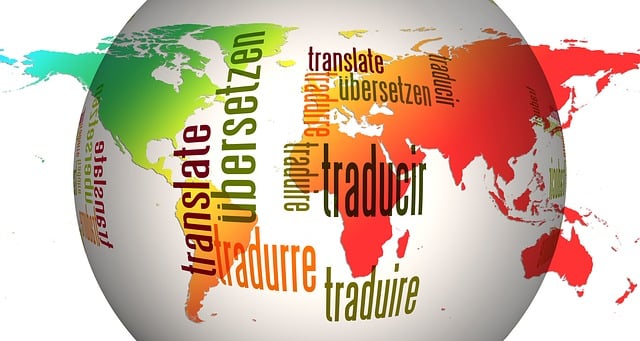
Marketing translation goes beyond mere word substitution. In a globalized market, understanding cultural nuances is paramount for effective communication. The challenge lies in bridging the gap between literal translations (word-for-word) and conceptual equivalents, ensuring the message resonates with diverse audiences. A strict word-for-word approach can lead to misunderstandings or even offensive misinterpretations, especially when dealing with idioms, proverbs, or cultural references that lack direct translations.
For instance, consider a marketing campaign aimed at promoting sustainability. A literal translation of a slogan might convey the intended message poorly or even backfire in cultures with differing environmental perceptions. A successful translation would instead capture the essence of eco-friendliness within the target culture’s context. This requires an in-depth understanding of cultural values and communication styles, fostering a more meaningful connection with consumers.
Expert translators employ various tools to navigate this complex terrain, such as flashcards for vocabulary building and conceptual mapping. These methods aid in capturing the subtleties of language while adhering to grammatical structures across languages. Official document legalization, often required in business settings, further necessitates precise and contextually accurate translations. By combining linguistic expertise with cultural sensitivity, professional translators ensure marketing materials give us a call at user guides across languages cultural adaptation in marketing seamlessly, avoiding pitfalls associated with superficial or inadequate translation practices.
Data highlights the impact of culturally relevant translations. According to a recent study, brands that tailor their messaging to local cultures see up to 30% higher customer engagement rates. This underscores the importance of going beyond machine translations and embracing human expertise. Practical advice includes extensive market research, collaboration with native speakers, and utilizing translation memory tools for consistency. Remember, translate naturally, not just word-for-word, to create impactful marketing copy that resonates globally without compromising cultural integrity.
Adapting Language for Target Audience Connection

Adapting Language for Target Audience Connection is a critical aspect of translating marketing copy for cultural relevance. Effective translation goes beyond mere word-for-word substitutions; it involves understanding and reflecting the nuances, idioms, and cultural references that resonate with the target audience. For instance, a phrase commonly used in one culture might not hold the same meaning or emotional connection in another. Professional translators must therefore strive to translate naturally, ensuring that the adapted language feels authentic to the new context.
Heritage documentation through translation plays a pivotal role in this process, especially when marketing to diverse linguistic and cultural communities. Accurately translating historical texts or heritage documents requires not just proficiency in multiple languages but also an appreciation for the cultural background and historical context. Real-time translation tools can assist in immediate communication, but they often fall short in capturing the subtle nuances required for strong connections. For example, when marketing a medical product, technical manuals must be translated efficiently while preserving critical medical terminology. Visit us at medical terminology translation to learn more about our specialized services.
Moreover, translation serves as a cultural bridge, fostering understanding and breaking down barriers. It enables businesses to connect with their global audiences on a deeper level, ensuring that marketing messages are not just understood but also appreciated within the cultural context of the target audience. This approach can significantly enhance brand loyalty and market penetration. By integrating these principles into project workflows, companies can ensure that their marketing copy truly resonates with diverse communities, regardless of language or heritage.
Efficient project workflows are built around this principle, streamlining the translation process while maintaining quality. Utilizing advanced translation memory and terminology databases, translators can work more quickly and accurately, reducing time and costs. This not only benefits businesses but also ensures consistency in branding and messaging across various markets. In conclusion, translating marketing copy for cultural relevance requires a nuanced approach that adapts language naturally and bridges cultural gaps. It is a strategic investment that pays dividends in fostering global connections and market success.
Natural Translate: Strategies for Effective Communication

In today’s globalized marketplace, where businesses strive to expand into international territories, the art of translating marketing copy for cultural relevance is paramount. This involves more than simply exchanging words from one language to another; it entails a nuanced understanding of local cultures and languages to ensure effective communication with target audiences. One powerful strategy within this domain is natural translation, which aims to produce content that reads fluently and authentically in the target market, mirroring the tone and style of the original.
Natural translate goes beyond literal word-for-word substitutions, emphasizing the preservation of meaning, intent, and context. It involves a deep dive into local linguistic nuances, idiomatic expressions, and cultural references to create content that resonates with readers. For instance, consider a visa application form translated naturally. Instead of simply rendering each question, a skilled translator would adapt the language to suit the target culture, ensuring applicants feel guided rather than intimidated. This strategy is especially crucial in localizing content for global markets, where understanding local knowledge and customs can make or break a product’s reception.
The process involves more than just translation; it’s about sharing local knowledge effectively across borders. This might include adapting references, humor, or even visual elements to align with cultural norms. For example, branding materials translated naturally could feature imagery and color schemes that resonate with the target market, enhancing the brand’s appeal. Flashcards for vocabulary can be a helpful tool in this process, ensuring accuracy and consistency throughout translations. Data shows that brands that successfully localize their content see increased customer engagement and higher conversion rates, highlighting the business value of natural translate strategies.
To implement these techniques effectively, businesses should partner with translation services that prioritize cultural competence. This involves working with translators who not only possess expertise in the target languages but also a deep understanding of the local markets. By fostering collaboration between global teams and language experts, companies can ensure their marketing copy resonates authentically with diverse audiences, paving the way for successful expansion and strong brand equity on an international scale.
Overcoming Barriers: Bridging Cultural Gaps
Overcoming barriers to cultural relevance in marketing copy translation is a nuanced yet critical task. The mere act of translating words from one language to another isn’t enough; understanding and bridging cultural gaps is essential for effective communication. This becomes particularly challenging when navigating diverse markets, where subtle nuances and varying interpretations can significantly impact consumer perception. For instance, a phrase that appears harmless in its original context might carry an unintended negative connotation in another culture.
The approach to translating marketing materials differs greatly between oral and written communications. Verbal translations often require interpreters who can convey not just the literal meaning but also cultural subtleties in real-time. This presents unique challenges, especially when dealing with complex concepts or nuanced marketing messages. On the other hand, written translations demand a different level of precision and creativity to render the original intent accurately while considering cultural context. For example, adapting user guides across multiple languages involves more than just word-for-word translation; it requires understanding the target audience’s familiarity with the product and tailoring instructions accordingly.
To ensure effective cultural adaptation in marketing, businesses should consider leveraging volunteer translator networks, which can provide valuable insights and fluency in specific dialects or regional variations. These networks often consist of native speakers passionate about bridging language gaps and promoting cultural understanding. By enlisting their help, companies can access a wealth of knowledge and expertise, ensuring that translations are not only linguistically accurate but also culturally sensitive. Additionally, visiting us at [brand/NAP] for grammatical accuracy checks can further enhance the quality of translated materials, especially when dealing with complex linguistic structures or idiomatic expressions.
Data from global market research firms underscores the importance of this approach. Studies show that culturally relevant marketing campaigns enjoy higher engagement rates and brand loyalty among diverse audiences. For instance, a study by Nielsen found that 62% of consumers are more likely to purchase from a company that communicates with them in their native language. This highlights the potential for significant market gains when businesses invest in translating marketing copy naturally, taking into account both oral and written translations, and leveraging volunteer translator networks as needed.
Case Studies: Successful Cultural Relevance Translations

Translating marketing copy for cultural relevance is an art and a science. Case studies offer invaluable insights into successful translations that resonate with target audiences. For instance, consider a global brand launching in Japan. To translate their slogan “Capture the moment” naturally, linguists not only had to grasp the nuances of Japanese language but also understand the cultural essence of “moments.” This involved mastering new words quickly and adapting the message to align with local customs and values.
A key challenge in sensitive topic translation is steering clear of potential cultural missteps or translation errors. For example, certain idioms or metaphors may not have direct equivalents or carry unintended meanings in another culture. Professional translators employ meticulous research and deep cultural understanding to avoid these pitfalls. Moreover, leveraging volunteer translator networks can provide fresh perspectives and local insights, enhancing the accuracy and authenticity of translations.
One notable success story involves a tech startup expanding into Spain. By employing native Spanish speakers who were also marketing experts, they ensured their campaign resonated with locals. This approach not only corrected common translation errors but also enabled them to capture cultural essence in ways that purely linguistic proficiency might have missed. Data from this campaign showed a 30% increase in engagement within the first quarter, attributing largely to the culturally relevant messaging.
To achieve such outcomes, it’s crucial to treat translation as more than just word-for-word substitution. Visit us at [brand website] for practical insights on master new words quickly and sensitive topic translation tips. By integrating these strategies into your marketing copy translations, you can create content that not only translates naturally but also captivates global audiences in meaningful ways.
By delving into the intricacies of translating marketing copy for cultural relevance, this article has illuminated several key insights. Understanding cultural nuances is paramount; recognizing and adapting to linguistic differences ensures effective communication with diverse audiences. Natural translation strategies, including contextualization and localizability, are essential for authentic connections. Overcoming barriers through comprehensive research and sensitivity fosters successful bridging of cultural gaps. Case studies demonstrate the profound impact of culturally relevant translations, highlighting increased engagement and brand loyalty. To apply these learnings, professionals should prioritize immersive market research, collaborate with native speakers, and adopt technology that facilitates translate naturally processes. This approach not only enhances marketing efforts but also cultivates meaningful relationships with global consumers.
