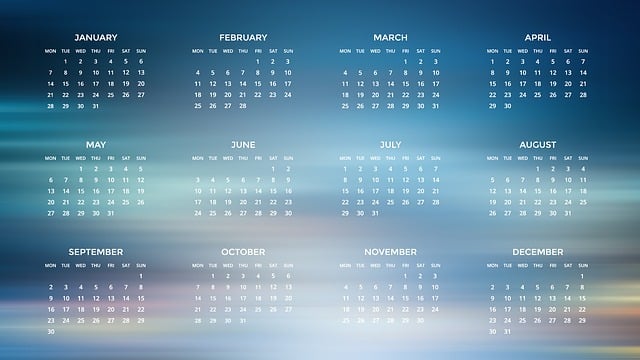
Solstices (June & December) and equinoxes (March & September) are critical calendar dates marking seasonal changes and Earth's position relative to the Sun. They influence global timekeeping systems, agricultural cycles, event planning, and cultural celebrations. Historically, these events shaped rituals and practices, emphasizing humanity's connection to nature's rhythms. Modern standards like the Gregorian calendar have introduced variations, impacting sectors such as finance and ticketing. Understanding these celestial phenomena aids in organizing outdoor activities and fosters appreciation for Earth's orbit and axis relationship with the Sun.
The celestial dance of solstices and equinoxes has captivated humanity for millennia, influencing not only our cultural rituals but also the very measurement of time itself. These astronomical events, occurring at specific points throughout the year, hold profound significance in determining calendar dates and marking seasonal transitions. While modern calendars may seem standardized, variations in date calculations persist across different cultures and historical periods. This article delves into the intricate relationship between these celestial phenomena and their impact on our understanding of time, offering a comprehensive guide to deciphering these seemingly elusive calendar dates.
- Understanding Solstices and Equinoxes in Astrology
- The Astronomical Definition and Significance
- Impact on Seasonal Changes and Weather Patterns
- Historical and Cultural Observances of Key Dates
- Modern Calendar Date Calculations and Variations
Understanding Solstices and Equinoxes in Astrology

Solstices and equinoxes are fundamental astronomical events that play a pivotal role in both scientific understanding and cultural practices, particularly in astrology. These moments mark the changing seasons and the Earth’s position relative to the Sun, directly impacting calendar dates and timekeeping systems worldwide. In the context of astrology, each solstice and equinox carries unique significance, influencing predictions and interpretations of events.
The solstices, occurring around June 20-22 and December 21-23, signify the longest and shortest days of the year, respectively. They represent the points where the Sun reaches its highest or lowest declination from the celestial equator. These events are crucial for organizing academic schedules and cultural celebrations, with many societies historically aligning their calendars to these natural occurrences. For instance, ancient cultures celebrated the summer solstice as a time of rebirth and fertility, while the winter solstice was often associated with reflection and survival.
Equinoxes, occurring around March 20-21, September 22-23, are when day and night are roughly equal across the globe. They signal the vernal (spring) and autumnal (fall) equinoxes, respectively, marking the transition between seasons. In astrology, these events are considered powerful times for balance and harmony, often associated with new beginnings and spiritual awakening. Solar eclipse events during these periods further intensify their astrological significance, as the Moon’s shadow aligns with the Sun, creating a rare celestial spectacle.
Understanding solstices and equinoxes is essential when interpreting astronomical charts and predicting seasonal trends. Astrologers incorporate these events into their work, using them to guide personal growth and collective experiences. For those interested in delving deeper, examining historical records and cultural interpretations of these dates can offer valuable insights. Moreover, keeping an eye on the alignment of solar and lunar calendars—such as the solar-lunar calendar used in many traditional cultures—can enhance one’s connection to these natural phenomena. Visit us at exam date preparation for more resources to explore these fascinating celestial occurrences further.
The Astronomical Definition and Significance
The solstices and equinoxes are astronomical events of profound significance, acting as pivotal markers in our calendar systems worldwide. These occurrences, which align with the Earth’s position relative to the Sun, have shaped how we measure time and plan personal events, from seasonal celebrations to agricultural practices. For instance, the summer solstice, occurring around June 21st in the Northern Hemisphere, marks the longest day of the year, while the winter solstice, close to December 21st, signals the shortest. Similarly, the vernal equinox (around March 20th) and autumnal equinox (near September 23rd) divide the year into quarters, creating a balance between day and night.
Understanding these celestial phenomena is crucial for maintaining accurate calendar systems, which have evolved over millennia to meet the needs of diverse cultures. While modern calendars like the Gregorian largely standardize date calculation, ancient civilizations relied on solar observations to create their own precise systems, some of which still influence modern practices. For example, many restaurant special offers and event planning schedules are tied to these astronomical events, reflecting their enduring relevance in our daily lives.
In terms of practical application, knowing solstices and equinoxes enables better planning for outdoor activities, agricultural cycles, and even sports events. Visiting us at sporting events during these times can offer a unique experience, as natural light patterns and atmospheric conditions create distinct environments. Additionally, recognizing these celestial milestones fosters an appreciation for the intricate relationship between our planet’s orbit, its axis, and the Sun’s position in the sky, reminding us of the profound connection between humanity and the cosmos.
Impact on Seasonal Changes and Weather Patterns

The solstices and equinoxes are astronomical events that significantly mark the passage of time and play a pivotal role in understanding seasonal changes and their impact on our planet’s climate. These occurrences, which occur at specific calendar dates throughout the year, signal the shifting patterns of daylight and darkness, triggering natural processes that influence weather and ecological cycles. For example, the summer solstice, usually around June 21st in the Northern Hemisphere, is the longest day of the year, with the sun reaching its highest point in the sky. This event not only fascinates astronomers but also has profound implications for agriculture, ecosystems, and even event planning.
The equinoxes, occurring around March 20th and September 23rd, signify equal days and nights worldwide, serving as a midpoint between solstices. This celestial occurrence is crucial for various cultural celebrations and scientific observations. For instance, the autumn equinox, while not directly tied to specific event ticketing deadlines, offers a unique astronomy observation window where stargazers can witness the changing constellations and plan outdoor activities that highlight the beauty of the shifting seasons. Understanding these calendar dates naturally helps us anticipate and prepare for seasonal transformations, enabling better adaptation to nature’s rhythms.
Furthermore, the impact extends beyond mere curiosity; these astronomical events have historically influenced human societies in profound ways. From ancient agricultural practices to modern-day festivals celebrating local market seasons, finding us at solstices and equinoxes, communities worldwide align their rituals and activities with these natural occurrences. By embracing the knowledge of seasonal changes tied to specific calendar dates, we can foster a deeper connection with our environment, enhance ecological awareness, and even optimize planning for outdoor events and experiences.
Historical and Cultural Observances of Key Dates
The solstices and equinoxes have long been significant milestones in our calendar year, marking pivotal points in the Earth’s orbit around the sun. These celestial events not only signal the changing seasons but also hold immense historical and cultural value, influencing various aspects of human life from vacation planning timelines to astrological sign dates. For instance, the summer solstice has traditionally been a time for celebrations like Midsummer, where communities would gather to dance around maypoles, symbolizing the peak of sunlight and fertility.
The equinoxes, occurring in spring and fall, have been equally important in shaping cultural observances. On these days, day and night are roughly equal, leading to various rituals and ceremonies worldwide. The autumnal equinox, for one, has been associated with harvest festivals across many cultures, such as the ancient Celtic Samhain, marking the end of the growing season and the beginning of winter. These festivals often double as key movie release dates, aligning with the cultural significance of these calendar dates in enhancing community bonding and shared experiences.
In terms of practical implications, understanding these key dates is crucial for vacation planning timelines, especially for those who prefer to travel during specific seasons or participate in unique cultural events. For instance, booking a trip to Iceland during the mid-June solstice can offer the chance to witness the dramatic midnight sun, a phenomenon that captivates both tourists and locals alike. Similarly, planning a visit to Japan’s cherry blossom festivals around late March or early April ensures a breathtaking experience of nature’s ephemeral beauty.
Furthermore, astrological sign dates are often tied to these solstices and equinoxes, shaping personal beliefs and practices for many. As the Earth shifts its position relative to the sun, it influences the zodiac signs, leading to various interpretations and celebrations. This deepens the cultural significance of these calendar dates, as they become touchpoints for introspection, reflection, and connection with both the cosmic and terrestrial worlds. To stay updated on these events and their associated festivities, one can turn to reliable resources like art festival calendars, which provide valuable insights into the rich tapestry of global cultural observances.
Modern Calendar Date Calculations and Variations

The solstices and equinoxes, astronomical events marking the sun’s position relative to Earth’s equator, have historically guided calendar date calculations. Today, while these celestial phenomena still play a role in defining certain cultural and agricultural celebrations, modern calendar dates are primarily determined by convenient, internationally agreed-upon standards. This shift has led to variations in how we measure and mark time, with implications for various sectors. For instance, financial deadline awareness is heightened during these changes as date calculation methods evolve. Event ticketing deadlines, especially for concerts tour dates, can be affected by such variations, requiring organizers and attendees alike to stay informed.
To illustrate, the Gregorian calendar, widely adopted globally, employs a complex system of leap years to synchronize with the solar year. This contrasts with ancient calendars that aligned with seasonal changes more directly. As a result, modern calendar dates may differ from those in historical records or traditional observances. For example, while the Northern Hemisphere’s summer solstice was once celebrated on June 21st, the official date can now vary slightly each year due to the calendar’s adjustments. This has practical implications for event planning and marketing, particularly when coordinating global concerts or festivals that must adhere to precise dates.
Given these variations, staying abreast of date calculation methods is crucial for professionals across sectors. For businesses, understanding how different calendars and their associated dates impact operations can enhance efficiency and mitigate errors in financial reporting, legal documents, and event ticketing systems. By keeping such knowledge current, organizations ensure their practices remain aligned with international standards while maintaining accuracy and transparency in all time-related matters. To facilitate this, many tools and resources are available to help individuals and businesses navigate these complexities, ensuring they stay on top of even the most subtle calendar date variations.
Understanding solstices and equinoxes, as both astronomical events and key dates in astrology, offers valuable insights into seasonal changes, historical observances, and modern calendar date calculations. These celestial markers significantly influence weather patterns, inspiring cultural celebrations and traditions worldwide. By delving into their significance, we gain a deeper appreciation for the connection between astronomy, culture, and the evolution of our calendars. This knowledge empowers us to navigate and interpret key dates, recognizing their profound impact on both nature and human history, naturally shaping our modern calendar date systems.
