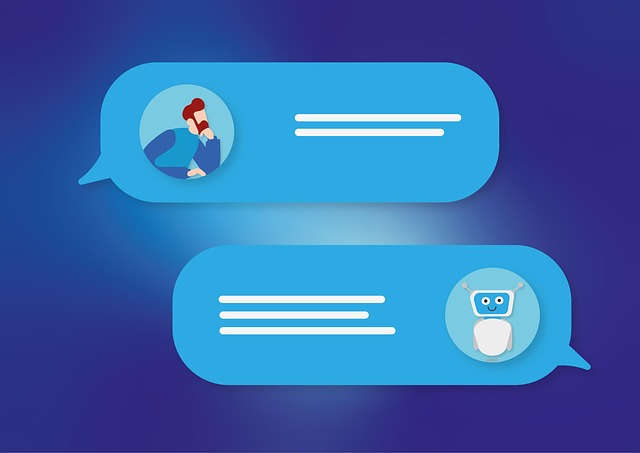
ChatGPT, a powerful language model, faces limitations due to data restrictions, impacting its knowledge of contemporary events, foreign languages, and specialized domains. Critical evaluation, cross-referencing with reliable sources, and human expertise are crucial for accurate advice. Ethical challenges include bias amplification, privacy concerns, and potential misuse. Mitigation strategies focus on refining datasets, enhancing transparency, securing user data, and education. Educators can leverage ChatGPT in flipped classroom models, teaching AI literacy and critical thinking. Creative output capabilities require human review to ensure accuracy and relevance. Future development emphasizes cultural sensitivity, ethical considerations, and improved presentation design for a more comprehensive tool.
In an era where ChatGPT has captured the public imagination, it’s crucial to approach its capabilities with both awe and skepticism. While ChatGPT represents a remarkable leap forward in artificial intelligence, it’s not without limitations. This article delves into the constraints of this powerful tool, examining areas where ChatGPT falls short despite its natural language processing prowess. From factual inaccuracies to contextual understanding, we explore the nuances that define the boundaries of what ChatGPT can achieve today. By understanding these limitations, users can better leverage its strengths and set realistic expectations.
- Data Limitations of ChatGPT: A Critical Look
- Ethical Concerns: Bias and Privacy in ChatGPT
- Technical Constraints: How ChatGPT Works (and Doesn't)
- Creative Output: The Unpredictable Nature of ChatGPT
- Future Improvements: Addressing ChatGPT's Shortcomings
Data Limitations of ChatGPT: A Critical Look

Despite its impressive capabilities, ChatGPT operates within certain data limitations that are crucial to recognize for effective use. One of its primary constraints is the reliance on a specific dataset for training, which primarily comprises web text from 2021 and earlier. This means that while ChatGPT excels at generating human-like text in various contexts, it may lack exposure to more recent trends, events, or specialized knowledge. For instance, when faced with queries related to contemporary literature or rapidly evolving technologies, its responses might not be entirely up-to-date. This data limitation underscores the need for users to validate and fact-check information provided by ChatGPT, especially in fields where rapid advancements are commonplace.
Furthermore, ChatGPT’s proficiency in foreign languages is limited by its training data. While it can generate text in multiple languages, the quality and accuracy often depend on the representation of those languages in its dataset. Languages with less textual presence may result in less sophisticated responses or even inaccuracies. This poses a challenge for users seeking language-specific insights or creative writing prompts in less commonly represented tongues. However, through innovative foreign language immersion techniques, users can guide ChatGPT to produce more nuanced and contextually appropriate outputs in their desired language of choice.
Another area where data limitations manifest is in specialized domains like academic research or study habits improvement. ChatGPT’s training data may not include the latest scholarly articles or effective study strategies employed by students today. As such, when asked for literary analysis guides or advice on enhancing study habits, its responses might reflect a broader, more general perspective rather than tailored, contemporary insights. To bridge this gap, users can combine ChatGPT’s capabilities with expert resources and personal experience, ensuring that the generated content is both informative and relevant to their specific needs. For instance, combining ChatGPT’s creative prompts with established study habit improvement techniques from educational psychology can lead to more effective learning experiences.
To maximize the potential of ChatGPT while mitigating these data limitations, users should adopt a critical approach. This includes cross-referencing information with reliable sources, applying foreign language immersion techniques for nuanced outputs, and integrating specialized knowledge from fields like education when seeking domain-specific guidance. By embracing this collaborative approach, users can leverage ChatGPT’s strengths while acknowledging its constraints. For tailored advice and expert insights, consider giving us a call at essay writing tips—we’re here to help navigate these evolving landscapes together.
Ethical Concerns: Bias and Privacy in ChatGPT
While ChatGPT offers remarkable capabilities in generating human-like text and solving complex problems, from musical theory fundamentals to mathematical problem-solving approaches, it’s crucial to acknowledge its limitations, especially regarding ethical concerns like bias and privacy. One of the primary issues is the potential for embedding and amplifying existing societal biases present in the training data. For instance, when asked about professions or skills, ChatGPT may produce outputs that reflect gender or racial stereotypes, perpetuating harmful in-person vs online learning dynamics. These biases can subtly influence users’ perceptions and decisions, leading to unfair judgments and discriminatory practices.
Privacy is another critical aspect. As an AI language model, ChatGPT processes vast amounts of user data during interactions. While it employs encryption techniques to safeguard information, the very nature of its design raises concerns about data security and user privacy. Users may inadvertently share sensitive details or personal experiences without fully understanding how this data is used or stored. For example, when discussing intricate mathematical problems, users might disclose proprietary business information without realizing the potential risks involved.
Addressing these ethical concerns requires a multi-faceted approach. Developers must continually update and refine training datasets to minimize biases and ensure diverse representations of humanity. Transparency in data usage practices and robust security measures are essential to protect user privacy. Moreover, educating users about the capabilities and limitations of AI models like ChatGPT is vital. By fostering awareness, users can make informed decisions when interacting with these technologies, ensuring responsible use and promoting fairness in various applications, from music theory education to mathematical problem-solving.
To mitigate these risks, it’s imperative to combine the strengths of AI with human expertise. Remote learning best practices emphasize this collaboration, where ChatGPT serves as a tool to enhance traditional teaching methods rather than replace them entirely. By giving us a call at remote learning best practices, educators can navigate these challenges effectively, leveraging technology while maintaining ethical standards in their respective fields.
Technical Constraints: How ChatGPT Works (and Doesn't)

ChatGPT, despite its remarkable capabilities, operates within a framework of technical constraints that shape its functions and limitations. Understanding how ChatGPT works—and doesn’t work—is crucial for users to set realistic expectations and harness its potential effectively. At its core, ChatGPT is a transformer-based language model trained on vast amounts of text data. This training allows it to generate human-like text by predicting the next word in a sequence based on patterns learned from its training data. However, this predictive nature also means that ChatGPT lacks genuine understanding or consciousness; it merely manipulates statistical relationships within the data it was trained on.
One significant constraint is the model’s reliance on prior input. ChatGPT can only generate responses contextually relevant to what it is given—it has no access to external knowledge bases or real-time information, leading to potential inaccuracies in current events or specialized topics that have emerged post-training. This limitation has implications for tasks requiring up-to-date data, such as public speaking workshops, where the latest research and trends are essential. Moreover, while ChatGPT excels at generating text, it struggles with complex reasoning, factual verification, and tasks demanding a deep understanding of abstract concepts or specialized fields. For instance, it may produce plausible-sounding answers in online research ethics discussions but could offer misguided or even incorrect guidance without human oversight.
Another critical aspect is the model’s predisposition to mimic rather than innovate. ChatGPT often generates text that closely resembles what it has seen before, making it a powerful tool for rewriting and paraphrasing but limiting its capacity for truly original ideas. This characteristic has significant implications for creative fields and can lead to concerns around plagiarism avoidance. To mitigate these risks, users must employ critical thinking and fact-checking skills when utilizing ChatGPT outputs. For instance, using the model to draft content should be followed by a thorough review to ensure accuracy, originality, and adherence to ethical guidelines, such as those explored in online research ethics workshops. By recognizing and understanding these constraints, educators can integrate ChatGPT into flipped classroom models effectively, teaching students not only how to use AI tools but also how to evaluate and critically engage with their outputs.
Creative Output: The Unpredictable Nature of ChatGPT
ChatGPT’s creative output capabilities are a double-edged sword. While its generation of text can be impressively varied and seemingly spontaneous, this very nature introduces significant unpredictability. This becomes particularly evident when applying ChatGPT to specialized domains like personalized education or coding tutorials for beginners. Each interaction with the model yields fresh, uncontextualized responses, making it challenging to ensure accuracy, relevance, or continuity in a learning scenario. For instance, asking ChatGPT for a step-by-step guide on basic digital literacy skills might yield a coherent yet entirely off-topic response, demonstrating its tendency to wander into unanticipated territory.
This unpredictability poses hurdles for educators and content creators who rely on consistent, reliable information. In the context of personalized education, students engaging with ChatGPT for homework help or clarification could receive answers that are technically correct but wildly detached from the original question, hindering their learning experience. Similarly, coding tutorials generated by ChatGPT may introduce errors or omit crucial steps, potentially leading beginners astray and undermining their progress in learning essential digital literacy skills.
To navigate these limitations, users must approach ChatGPT as a collaborative tool rather than a replacement for human expertise. While it can spark ideas, offer unexpected perspectives, and generate initial drafts, human review and refinement remain paramount. In the realm of coding tutorials, beginners should use ChatGPT to supplement their learning with supplementary explanations or alternative approaches but never solely rely on its output. By combining the power of AI with personalized guidance from educators, students can harness ChatGPT’s capabilities while mitigating its inherent unpredictability, fostering a more effective and engaging educational experience that prepares them for the digital landscape. For those seeking to enhance their digital literacy skills, consider using ChatGPT as a starting point for exploration but always validate and refine information through reliable sources and expert guidance. Find us at statistical inference basics for a deeper dive into AI’s potential and pitfalls.
Future Improvements: Addressing ChatGPT's Shortcomings
Despite its impressive capabilities, ChatGPT, like any AI model, has limitations that require ongoing attention and development. One area where significant improvements can be made is in addressing the lack of cultural sensitivity and ethical considerations in its responses. Currently, ChatGPT may produce outputs that reflect biased or outdated assumptions about diverse communities, which can perpetuate harmful stereotypes. To mitigate this, advanced training with a focus on cultural sensitivity is crucial. This involves exposing the model to a vast corpus of inclusive literature, historical contexts, and real-world examples from various cultures, enabling it to generate more nuanced and respectful responses.
Furthermore, as ChatGPT continues to evolve, engaging in philosophical and ethical discussions will be vital. Developing robust guidelines for responsible AI use, ensuring transparency in its decision-making processes, and fostering a dialogue on the ethical implications of its outputs are essential steps. For instance, when presented with sensitive topics like privacy or bias, ChatGPT should be equipped to navigate these discussions with care, referring to relevant principles and engaging critical thinking. This not only enhances its utility but also cultivates public trust in AI technology.
Another aspect worth exploring is the design of presentations generated by ChatGPT. While it excels at generating text, the current output may lack cohesive presentation design principles, such as clear structure, visual hierarchy, and engaging layouts. Integrating design intelligence, learning from successful human-crafted presentations, can significantly enhance its ability to create visually appealing and effective slides. This could be achieved through machine learning techniques, where ChatGPT learns from a vast dataset of well-designed presentations, thereby improving its output’s quality and professionalism.
In light of these considerations, the future of ChatGPT hinges on continuous refinement and integration of diverse expertise. By addressing cultural sensitivity training, philosophy and ethics discussions, and presentation design principles, the model can evolve into a more comprehensive and responsible tool. Visit us at learning management systems anytime to explore innovative solutions for harnessing AI’s potential while mitigating its shortcomings.
Through a critical examination of ChatGPT’s capabilities, we’ve uncovered key limitations that users should be aware of. The article has highlighted significant data constraints, ethical concerns regarding bias and privacy, technical limitations in its mode of operation, and the unpredictable nature of creative output. Furthermore, it has suggested future improvements and addressed potential shortcomings. By understanding these limitations, users can more effectively leverage ChatGPT while recognizing its boundaries. This knowledge is crucial for responsible and productive application of this powerful AI tool, ensuring its value is realized without oversights or misinterpretations in today’s digital landscape.
