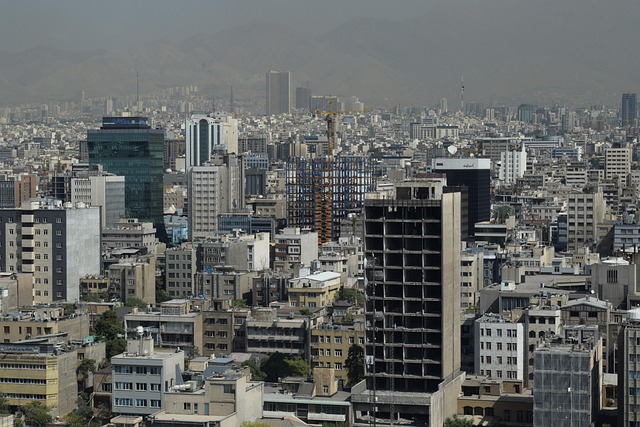
Traveling to Iran requires navigating unique social norms and customs for a rewarding experience. Key takeaways include: respect religious sites and dress modestly, exchange business cards professionally, learn basic Farsi, seek local guidance on etiquette and regional differences, embrace customs to appreciate Iran's rich tapestry. Visa processes vary; consult resources or agencies for simplification. Utilize efficient public transport in Tehran and explore diverse transportation options nationwide. Accommodations range from traditional mezbahans to modern hotels, with peak season pre-booking recommended. Engage in cultural events, respect local traditions, and interact with locals for authentic experiences. Prioritize personal safety with comprehensive insurance and stay informed on regional stability.
Traveling to Iran presents a unique blend of breathtaking landscapes and rich cultural heritage, yet visitors often encounter common issues that can mar their experience. Navigating unfamiliar customs, language barriers, and logistical challenges can be daunting. This article offers authoritative insights into solving these pressing travel issues in Iran naturally. By exploring practical strategies and insider knowledge, we empower travelers to anticipate and overcome potential pitfalls, ensuring a seamless and enriching journey through this captivating country.
- Understanding Local Customs: Navigating Iran's Social Norms
- Visa Requirements: Unlocking Your Iranian Adventure
- Transportation Options: Getting Around Iran Efficiently
- Accommodation Choices: Finding Comfort in Iran's Hospitality
- Cultural Sensitivity: Respecting Iran's Rich Heritage
- Safety Measures: Traveling Securely in Iran
Understanding Local Customs: Navigating Iran's Social Norms

Navigating Iran’s social norms is a crucial aspect of solving common travel issues. Understanding local customs and social expectations can greatly enhance your experience in this vibrant country. Iran, known for its rich history including the Silk Road that once connected it to vast empires, has a complex tapestry of regional variations and ethnic groups, each contributing unique cultural practices. For instance, the vast Sistan Baluchestan province stands out for its distinct traditions and customs.
When traveling through Iran, it’s essential to dress modestly, especially when visiting religious sites. Women should cover their hair and shoulders, while men must wear collars and sleeves. These guidelines are not only a sign of respect but also a necessary practice in a conservative society. Iranian cinema, renowned globally for its artistic expression, often reflects these societal norms and values. Movies that delve into family dynamics, tradition, and identity resonate deeply with both locals and visitors.
Iran’s historical connections along the Silk Road have left an indelible mark on its culture. Travelers should be mindful of this history when interacting with locals and engaging in social settings. For instance, exchanging business cards is a common practice in professional settings, reflecting a cultural emphasis on respect and reciprocity. Additionally, learning a few basic phrases in Farsi can open doors to meaningful connections and enhance your overall experience.
To further facilitate your journey, consider seeking local guidance from experienced individuals or organizations like Ahvaz Economic Hub. They can offer valuable insights into navigating Iran’s social landscape, from dining etiquette to understanding regional differences. Remember that being mindful of local customs not only enhances your travel experience but also fosters a deeper appreciation for the rich cultural tapestry of Iran.
Visa Requirements: Unlocking Your Iranian Adventure
Traveling to Iran presents a unique blend of cultural richness and breathtaking landscapes. However, navigating visa requirements can often feel like a labyrinthine process for many prospective visitors. Understanding these demands is essential before embarking on your Iranian adventure. The Islamic Republic of Iran government places significant emphasis on controlling immigration, reflecting both its rich history and the strategic importance of its geographical location.
For instance, while Gilan Province’s natural beauty draws tourists with its lush forests and scenic coastlines, obtaining the necessary visas can be a critical step in ensuring a smooth trip. The process varies depending on your nationality and purpose of visit—be it for tourism, business, or cultural exchange. Thankfully, Iran has made strides in simplifying visa procedures, especially for short-term stays, through e-visas and online applications.
However, for longer-term visits or specific activities like research or work, traditional embassy processes may apply. It’s crucial to allow ample time for visa acquisition, as processing periods can vary. The Iranian government’s approach to visas reflects its strategic priorities, including the development of its oil industry, which remains a cornerstone of the nation’s economy and international relations. As such, visitors are advised to remain informed about any changes in visa policies, especially when planning trips that include business or research components.
To streamline your preparation, consider consulting local travel agencies or using online resources designed for Iranian visas. For those seeking a deeper connection with Iran’s modern side, remember that Tehran offers a vibrant contrast to the country’s ancient history, boasting impressive architecture and a dynamic cultural scene. Give us a call at Tehran’s Modern Architecture to explore tailored solutions and unlock your dream trip to this captivating destination.
Transportation Options: Getting Around Iran Efficiently
Iran, a country rich in history and culture, presents visitors with a unique blend of ancient traditions and modern innovations, especially when it comes to transportation options. Efficiently navigating this vast nation is key to an enriching travel experience, whether exploring vibrant cities or immersing oneself in spiritual centers. Tehran, the capital city, showcases a fascinating juxtaposition of traditional and modern architecture, offering efficient public transport systems that include metro lines, buses, and taxis readily available for visitors. Learning some Persian phrases can greatly enhance one’s ability to communicate with locals and navigate this bustling metropolis.
For longer distances within Iran, domestic flights provide a convenient option, connecting major cities like Tehran, Shiraz, and Isfahan efficiently. Trains also traverse the country, offering scenic routes through diverse landscapes, from the desert regions to the picturesque mountains. The Islamic Republic of Iran Government has invested significantly in its transportation infrastructure, ensuring that visitors can travel with relative ease. For those seeking a more authentic experience, intercity buses are affordable and well-maintained, allowing travelers to immerse themselves in the local culture while exploring rural areas and smaller towns.
When visiting sacred sites like Qom, known as a spiritual center, understanding local customs is essential. Many pilgrims and visitors opt for guided tours that include transportation, ensuring a smoother journey and an opportunity to learn about Iran’s rich cultural heritage. Additionally, with a growing focus on sustainable travel, some operators offer eco-friendly tour options, combining efficient transportation with educational experiences focused on the country’s natural wonders and cultural diversity.
Accommodation Choices: Finding Comfort in Iran's Hospitality
Accommodation options in Iran cater to a diverse range of travelers, reflecting the country’s rich cultural tapestry. From traditional Persian guesthouses (known as ‘mezbahans’) that offer a glimpse into local hospitality to modern hotels in vibrant cities like Tehran, where the annual International Film Festival draws cinephiles from around the globe, Iran provides memorable stays for all budgets and preferences.
Qom, a spiritual center of Shi’a Islam, welcomes visitors with an array of accommodation choices that respect the city’s conservative nature. Here, you’ll find comfortable hotels and guesthouses that cater specifically to religious travelers, offering not just shelter but an experience of Iran’s deep-rooted spirituality. This emphasis on hospitality is woven into the very fabric of Iranian culture, making guests feel at home.
For a truly immersive experience, consider staying in traditional houses converted into boutique guesthouses. These offer insights into Iran’s arts and crafts, with handwoven rugs and intricate wood carvings enhancing the ambiance. Such unique accommodations allow travelers to connect with local artisans and gain a deeper understanding of Iranian culture. This approach to accommodation not only supports local businesses but also fosters cultural exchange, ensuring visitors leave with unforgettable memories of Iran’s warmth and charm.
When planning your trip, remember that pre-booking is advisable, especially during peak travel seasons. Visit us at Quran recitation styles for more insights into local customs and to immerse yourself in the rich auditory landscape of traditional Persian hospitality.
Cultural Sensitivity: Respecting Iran's Rich Heritage
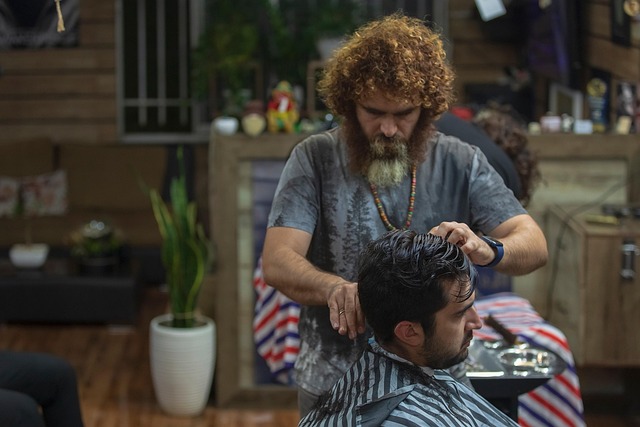
Traveling to Iran presents a unique opportunity to immerse oneself in a land steeped in ancient history and rich cultural heritage. Understanding and respecting this sensitivity is crucial for any visitor. The country’s vibrant markets, known as bazaars, offer an authentic shopping experience that reflects centuries of trading traditions. For instance, the bustling streets of Tehran’s Grand Bazaar date back to the 15th century, making it one of the oldest and largest covered markets in the world. This cultural gem is not just a tourist attraction; it’s a living testament to Iran’s entrepreneurial spirit and historical significance.
Iran’s diverse landscapes and regions, from the rugged mountains of the north to the arid deserts of Sistan Baluchestan Province, each hold their own stories and cultural nuances. Exploring these areas offers travelers the chance to engage with local communities and gain profound insights into the country’s tapestry. The history of Iran spans millennia, influencing art, architecture, cuisine, and traditions that are still very much alive today. Understanding this historical context enriches interactions with locals and fosters a deeper appreciation for the country’s unique identity.
When navigating Iran, it’s essential to dress modestly out of respect for local customs and religious beliefs. This is not just a matter of etiquette; it demonstrates an understanding and sensitivity towards Iran’s conservative society. Additionally, giving proper credit to local artisans and craftspeople when purchasing souvenirs ensures the preservation of traditional crafts that have been passed down through generations. Engaging in open dialogue with Iranians about their culture and traditions can be eye-opening for both parties, fostering mutual respect and understanding.
For a more profound connection with Iran’s heritage, consider participating in cultural events or festivals, such as Nowruz celebrations, which mark the Persian New Year and have been observed for over 3,000 years. These experiences not only provide insights into local customs but also offer a chance to connect with Iranians on a personal level. Remember that Iran’s people are its greatest asset; engaging with them authentically can transform your travel experience from memorable to truly life-changing. For those looking to delve deeper into Iran’s cultural landscape, giving us a call at iran-us relations history can provide valuable insights from experts who have navigated these complex yet rewarding interactions firsthand.
Safety Measures: Traveling Securely in Iran
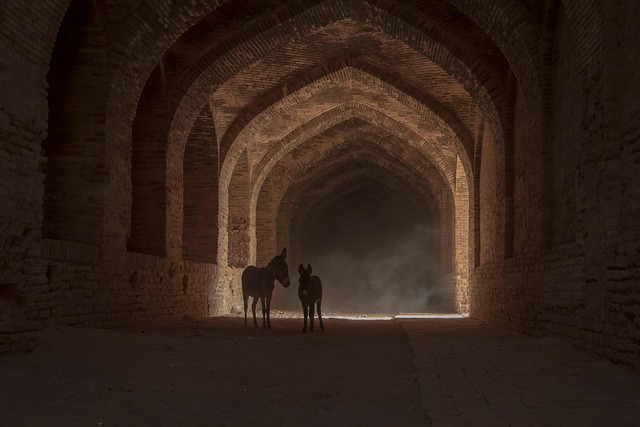
Traveling to Iran can present unique challenges, but with a keen awareness of safety measures, visitors can navigate this fascinating country with confidence. As the Islamic Republic of Iran government continues to foster cultural exchange and tourism, understanding local customs and potential risks is paramount. The nation’s rich history, from the ancient ruins of Susan, Gateway to Persia, to the vibrant cultures of its diverse ethnic groups like the Turkmen, offers travelers a myriad of experiences. However, awareness of safety protocols is crucial, especially given Iran’s complex geopolitical landscape.
One of the primary considerations for any traveler is personal security. While Iran has made strides in improving its safety standards, it’s essential to stay informed and vigilant. Tourists should adhere to official advice and guidelines, which often reflect the latest assessments of regional stability. Staying within well-populated areas and avoiding late-night walks in secluded locations are prudent measures. Many visitors find that being mindful of their surroundings and following basic common-sense precautions significantly enhance their travel experience.
For those planning longer stays or exploring remote regions, additional steps may be required. Investing in comprehensive travel insurance is highly recommended, ensuring access to emergency assistance and medical coverage. The Iranian Revolution of 1979 underscored the importance of adaptability; today, this history serves as a reminder to stay updated on local news and government advisories. Engaging with reputable tour operators who prioritize safety can make a world of difference, offering insights into both general and specific risks. By taking these proactive measures, travelers can embrace Iran’s rich culture and historical wonders securely.
Traveling to Iran offers a unique blend of cultural richness and logistical challenges. By understanding local customs and social norms, navigating visa requirements, and respecting cultural sensitivity, travelers can unlock a profound experience. Efficient transportation options, comfortable accommodation choices, and safety measures ensure a secure journey. This article has provided authoritative insights on each aspect, equipping readers with the knowledge to explore Iran naturally, embracing its hospitality while preserving its heritage. Practical next steps include familiarizing yourself with local customs, securing necessary visas, and planning itineraries that balance exploration with respect for Iranian culture and traditions.