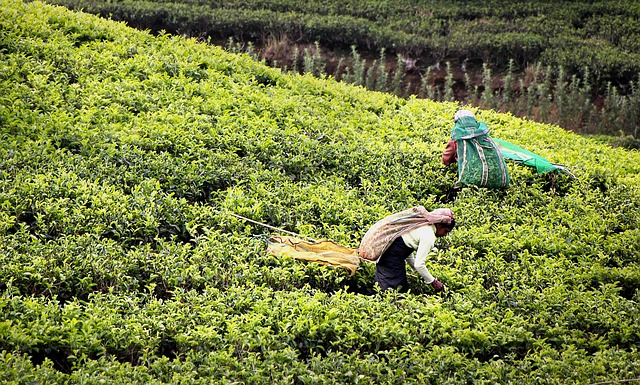
Bangladesh and Sri Lanka, South Asian neighbors, exhibit contrasting agricultural landscapes shaped by geography and history. Bangladesh, a deltaic nation, focuses on flood irrigation and rice cultivation for self-sufficiency. Sri Lanka, with varied terrain, supports diverse farming techniques like tea plantations and sustainable rice cultivation for market-oriented exports. Their unique practices attract global interest in sustainable tourism. Despite differences, both countries share rich cultural heritages and face environmental challenges driving sustainable innovations. By leveraging strengths, collaborations can lead to enhanced prosperity and partnership while preserving their distinct agricultural identities.
The agricultural practices of Bangladesh and Sri Lanka, two distinct nations with shared historical ties, offer a fascinating contrast. Understanding these unique approaches is vital given the sector’s prominence in their economies and cultural identities. Bangladesh vs Sri Lanka presents an intriguing study in diversity, shaped by geographic differences, climate, and historical influences. This article delves into the key practices that define each country’s agricultural landscape, tracing the evolution of their relationship, from colonial times to independence, to uncover the factors that have fostered distinct farming traditions. By exploring these nuances, we gain valuable insights into the challenges and successes that underpin their agricultural narratives.
- Agricultural Practices: Bangladesh vs Sri Lanka: A Comparative Study
- Historical Overview: Ties that Bind and Divide: Bangladesh-Sri Lanka Relations
- Farming Techniques: Unique Approaches in Each Nation's Agriculture
- Geopolitical Dynamics: The Impact on Agricultural Collaboration
- Case Studies: Success Stories and Challenges: Bangladesh and Sri Lanka's Agricultural Journey
Agricultural Practices: Bangladesh vs Sri Lanka: A Comparative Study

Bangladesh and Sri Lanka, two South Asian nations with rich agricultural histories, exhibit distinct farming practices shaped by geographical differences and unique cultural legacies. This comparative study delves into the key agricultural techniques that set these countries apart, offering a nuanced understanding of their respective landscapes. Bangladesh, with its vast deltaic plains and numerous rivers, relies heavily on flood irrigation and paddy cultivation, making it one of the world’s leading rice producers. The country’s agricultural diversity is further highlighted by its extensive jute production, vegetable gardening in the hills, and livestock rearing, reflecting a resilient farming system adapted to diverse microclimates.
In contrast, Sri Lanka boasts a more varied terrain, from coastal plains to central highlands, influencing its agricultural strategies. The island nation is renowned for its tea plantations, particularly in the central highlands, contributing significantly to its export economy. Rice cultivation, although important, is practiced on a smaller scale compared to Bangladesh, with a focus on sustainable and organic farming methods. Sri Lanka’s diverse landscape also accommodates spices, tropical fruits, and floral cultivation, attracting global attention for its high-value agricultural exports. These differences in agricultural practices are rooted in the post-colonial development trajectories of both nations, where historical influences have shaped their respective cultural heritages and economic focuses.
The history of Bangladesh-Sri Lanka relations is characterized by a complex interplay of political dynamics, cultural exchanges, and shared struggles for independence. Post-independence, both countries sought to build their agricultural sectors as pillars of national identity and economic growth. While Bangladesh focused on self-sufficiency in food production, Sri Lanka embraced market-oriented agriculture, leading to contrasting tourism attractions—Bangladesh showcasing its vibrant festivals and cultural heritage sites related to agricultural traditions, versus Sri Lanka’s renowned tea plantations and lush landscapes that entice visitors seeking sustainable tourism experiences. These differences offer valuable insights into the implementation of sustainable practices, as both nations navigate their unique paths toward agricultural development and environmental stewardship. Visit us at Bangladesh vs Sri Lanka landscape differences to explore these captivating destinations further.
Historical Overview: Ties that Bind and Divide: Bangladesh-Sri Lanka Relations
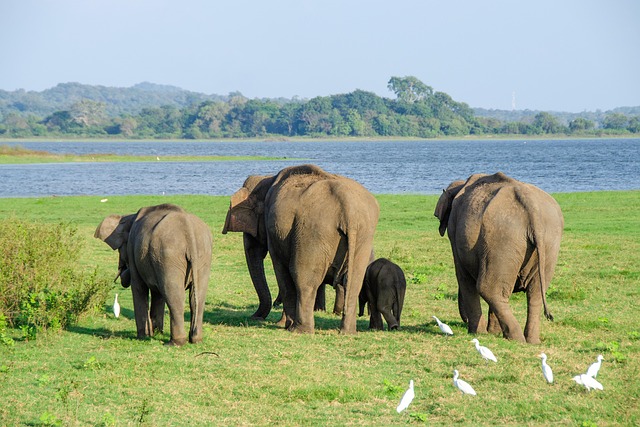
The historical ties between Bangladesh and Sri Lanka are complex, reflecting both shared heritage and distinct paths. Both nations emerged from colonial legacies—Bangladesh from Pakistani partition in 1971 and Sri Lanka from British rule in 1948— shaping their social structures and political systems differently. While Bangladesh embraces a parliamentary democracy with a strong focus on secularism and multiculturalism, Sri Lanka has navigated towards a semi-presidential system with significant influence of Buddhist nationalism.
These divergent paths are mirrored in their agricultural practices, a cornerstone of each country’s economy and cultural identity. Bangladesh, with its fertile deltaic plain, relies heavily on rice cultivation, incorporating innovative techniques like flood irrigation and high-yielding varieties to feed its large population. Sri Lanka, blessed with diverse landscapes, cultivates a wider array of crops including tea, rubber, spices, and coconut—products that have contributed significantly to its export economy.
Despite these differences, Bangladesh and Sri Lanka share a rich cultural heritage evident in their attractions: from the ancient Buddhist temples and architecture dotting Sri Lanka’s landscape, reflecting centuries of architectural brilliance, to Bangladesh’s vibrant festivals like Durga Puja, showcasing a fusion of Hindu and Muslim traditions. Both nations also boast unique culinary traditions that reflect their diverse ethnic backgrounds and historical influences, creating a delicious tapestry for tourists to explore.
As the world navigates urbanization trends and contrasts in development, exploring successful agricultural practices and cultural exchanges between Bangladesh and Sri Lanka can offer valuable insights. By understanding find us at each other’s strengths—from agricultural techniques to cultural heritage sites—these nations can foster stronger partnerships, enhancing regional stability and prosperity.
Farming Techniques: Unique Approaches in Each Nation's Agriculture
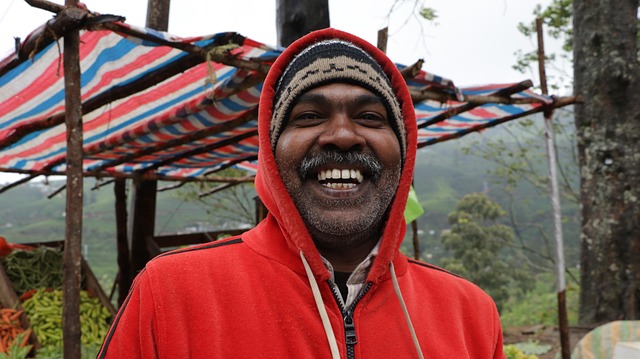
The agricultural landscapes of Bangladesh and Sri Lanka, though both integral parts of South Asia, bear distinct characteristics shaped by historical, cultural, and environmental factors. These differences manifest in their farming techniques, with unique approaches that have evolved over time. Bangladesh, a nation where vast rivers and deltas define its geography, employs flood-based agriculture in many regions, utilizing the natural cycle of seasonal flooding for crop cultivation. This practice, though labor-intensive, ensures rich soil fertility and supports diverse crops like rice, jute, and various vegetables. In contrast, Sri Lanka’s varied terrain, featuring mountains, coastal plains, and central highlands, lends itself to a more diverse agricultural portfolio. Here, terracing and irrigation systems play a pivotal role, enabling the cultivation of tea, coffee, spices, and various fruits in ecologically sensitive areas.
The history of Bangladesh-Sri Lanka relations has influenced cross-cultural exchanges, including the sharing of agricultural knowledge. Both nations have grappled with challenges like climate change and environmental degradation, driving innovations in sustainable farming practices. In recent years, the impact of technology on youth engagement in agriculture has been profound. Bangladesh, with its young population, has seen an embrace of digital tools for monitoring crops, while Sri Lanka’s traditional agricultural communities are also adopting modern technologies to enhance efficiency. However, the landscape differences between the two countries create distinct environmental issues; Bangladesh faces challenges like coastal erosion and flooding, whereas Sri Lanka grapples with water scarcity in certain regions.
Cultural and ethnic groups also contribute to these nations’ unique farming techniques. In Bangladesh, the Bengali cultural heritage encourages community-based agricultural practices, fostering a sense of collective responsibility for crop yields. Similarly, Sri Lanka’s diverse ethnic groups have contributed to the development of specialized farming methods tailored to their respective environments. These variations in farming techniques between Bangladesh and Sri Lanka not only reflect their distinct geographical settings but also embody the rich cultural tapestry of each nation. As environmental issues persist, both countries must navigate these challenges while preserving their agricultural heritage, ensuring food security, and promoting sustainable practices.
Geopolitical Dynamics: The Impact on Agricultural Collaboration

Bangladesh and Sri Lanka, two South Asian nations with rich agricultural histories, have developed distinct farming practices shaped by their unique geographical features and cultural contexts. This section explores the key agricultural differences between these countries, delving into the geopolitical dynamics that have influenced their collaboration in this sector. The relationship between Bangladesh and Sri Lanka is multifaceted, with historical ties dating back centuries, but modern political landscapes present both opportunities and challenges for agricultural partnerships.
In terms of bangladesh vs sri lanka, a striking contrast emerges when examining land use and farming methods. Bangladesh, a deltaic nation heavily influenced by the Ganges River system, relies heavily on floodplain agriculture, utilizing traditional techniques like terracing and irrigation channels. The country’s diverse landscape includes vast rice paddies, sugarcane plantations, and vibrant vegetable gardens. In contrast, Sri Lanka boasts a more varied topography, from coastal plains to central highlands, supporting a range of agricultural activities such as tea cultivation, rubber farming, and spice production. This geographic diversity has fostered unique culinary traditions in both nations, with festivals like Bangladesh’s Paal Bhaji and Sri Lanka’s Perahera celebrating local produce.
The history of Bangladesh-Sri Lanka relations is intertwined with their colonial pasts and post-independence political developments. Both countries gained independence from British rule in the mid-20th century, but their political trajectories diverged. Sri Lanka emerged as a thriving democracy, while Bangladesh navigated challenges, including a period of military rule. These differences have impacted agricultural collaboration, with varying levels of government support and investment in rural development. Despite these complexities, both nations face shared environmental issues like climate change and water management, which could foster cooperation, especially considering the potential impact on vulnerable farming communities.
A comparative study of gender roles and family dynamics reveals interesting contrasts. In Bangladesh, traditional family structures often emphasize male-dominated decision-making, while women’s roles in agriculture have evolved with increasing access to education and microfinance initiatives. Sri Lanka, too, has witnessed shifts in gender equality, but it retains a more egalitarian perception of women’s involvement in farming compared to its neighbor. Exploring these cultural nuances is essential when considering the impact of technology on youth engagement in agriculture, as both countries strive to attract younger generations to rural livelihoods. By understanding the topographic comparison bangladesh sri lanka history and its implications, policymakers can design strategies to enhance agricultural productivity and preserve cultural festivals and ceremonies that celebrate their unique culinary identities.
Case Studies: Success Stories and Challenges: Bangladesh and Sri Lanka's Agricultural Journey

Bangladesh and Sri Lanka, two South Asian nations with distinct historical and cultural backgrounds, have embarked on unique agricultural journeys shaped by their respective political systems, colonial legacies, and diverse ethnic groups. This case study explores the key practices that define their agricultural landscapes and delves into the challenges and successes along their paths.
Bangladesh vs Sri Lanka: A Political and Cultural Divide
The agricultural sectors of Bangladesh and Sri Lanka reflect the unique characteristics of each country. Bangladesh, with its predominantly Muslim population and a parliamentary democracy, has implemented policies focused on self-sufficiency in food production. The nation’s diverse ethnic tapestry, including Bengali speakers and tribal groups, influences local farming practices. In contrast, Sri Lanka, a multi-ethnic island nation with a strong Buddhist majority, has developed a robust agricultural sector characterized by cash crops like tea and spices, reflecting its colonial history and market-oriented approach.
Colonial Influence: A Shared Legacy
Both countries experienced significant colonial influence during their histories. The British colonial era left a lasting impact on Bangladesh and Sri Lanka’s agriculture. In Bangladesh, colonial policies introduced irrigation systems and improved agricultural techniques, while in Sri Lanka, the colonial government established extensive tea plantations. Understanding this shared heritage is crucial when examining modern agricultural strategies. For instance, both nations have adopted scientific farming methods while navigating post-colonial challenges to maintain food security and economic stability.
Despite their differences, Bangladesh and Sri Lanka share similarities in their agricultural success stories. Both countries have made significant strides in increasing crop yields, diversifying production, and enhancing food security. However, each faces unique obstacles, such as climate change impacts, land degradation, and ethnic-based land ownership patterns in Bangladesh, versus market volatility and limited access to modern technology in Sri Lanka. These challenges offer valuable insights into the complexities of agricultural development, highlighting the importance of tailored strategies for each nation’s unique context.
In comparing agricultural practices between Bangladesh vs Sri Lanka, this article has highlighted distinct approaches shaped by geographical features and historical contexts. While Bangladesh’s farming techniques reflect a resilient adaptation to a deltaic environment with waterlogging and salinity issues, Sri Lanka boasts diverse landscapes allowing for specialized agriculture. The history of Bangladesh-Sri Lanka relations, marked by periods of collaboration and tension, has influenced geopolitical dynamics affecting agricultural cooperation. Case studies have demonstrated successes in both nations, but challenges remain, particularly regarding climate change impacts and market access. Key takeaways underscore the importance of tailored strategies, investment in technology, and enhanced regional cooperation for sustainable agricultural development in Bangladesh vs Sri Lanka. Moving forward, fostering partnerships and knowledge-sharing could unlock potential, ensuring food security and economic prosperity for both countries.