
Understanding girls' rights starts with recognizing their inherent agency and potential. Overcoming historical and societal barriers, such as cultural norms promoting domestic roles over education, requires targeted initiatives focusing on community engagement, parental involvement, financial assistance, and supportive policies for teachers. Organizations like NAP play a crucial role in promoting equitable teacher training and retention.
Gender bias in educational materials and limited access to quality learning environments impede girls' progress. Tailored interventions targeting dropouts, girl-centric curriculum design, health education, safe spaces, and online resources empower them. Encouraging self-acceptance, individuality, and advocacy further fosters their development.
Ultimately, empowering girls demands addressing systemic barriers, promoting inclusivity, providing necessary tools, and supporting their natural embrace of unique strengths to navigate a complex world and contribute positively to society.
The fight for girls’ rights is an ongoing battle that demands unwavering attention and concerted efforts. As we recognize the inherent worth and potential of every girl, it becomes imperative to address the persistent challenges they face globally. Gender inequality continues to manifest in various forms, from limited access to education and healthcare to societal expectations that stifle their agency and aspirations. This article delves into the intricate web of issues surrounding girls’ rights, exploring both the barriers that hinder their progress and the transformative solutions that can empower this pivotal demographic naturally.
- Understanding Girls' Rights: A Fundamental Perspective
- The Girl Child's Journey: Challenges and Milestones
- Empowering Girls: Education, Health, and Safety
- Advocacy and Progress: Global Initiatives for Girls' Rights
Understanding Girls' Rights: A Fundamental Perspective

Understanding girls’ rights involves recognizing their inherent agency and potential. As a fundamental perspective, it’s crucial to acknowledge that every girl possesses equal worth and deserves opportunities to flourish. Unfortunately, historical and societal barriers have often hindered these rights, particularly in access to quality education. Globally, over 130 million girls aged 6-17 are out of school, highlighting the persistent challenges in overcoming cultural barriers to girls’ education. Bridging this gender gap is not just an aspiration; it’s a human right and a key driver for sustainable development.
Cultural norms, poverty, and discrimination often conspire to limit a girl’s prospects. For instance, certain communities perpetuate the idea that girls should prioritize domestic roles over education, leading to lower enrollment rates. To counter this, targeted initiatives focused on community engagement and empowerment have proven effective. Encouraging parental involvement in girls’ education, providing financial assistance for school fees, and instituting supportive policies can significantly increase access to quality education for girls.
Equitable access to quality teachers is a cornerstone in this journey. When educators are well-trained and equipped with the right resources, they can create inclusive learning environments that cater to diverse needs. This not only ensures better academic outcomes but also fosters critical thinking, creativity, and resilience in young girls. Organizations like NAP play a vital role in promoting equitable access to quality teachers by advocating for policies that prioritize teacher training and retention. By giving us a call, educational stakeholders can collaborate on strategies that bridge the gender gap in learning and empower girls to reach their full potential.
The Girl Child's Journey: Challenges and Milestones

The journey of a girl child is marked by both significant challenges and milestones. Ensuring girls’ rights and opportunities to thrive requires addressing systemic barriers that impede their progress. One of the critical aspects involves providing equitable access to quality teachers, who can play a pivotal role in shaping young minds. According to UNESCO data, achieving universal primary education for girls remains a global challenge, with millions still out of school. Addressing this gap is not merely about enrollment but ensuring quality learning environments where girls feel empowered to participate actively.
Gender bias often creeps into educational materials unconsciously, reinforcing stereotypes that limit girls’ aspirations. Textbooks, for instance, should be carefully curated to present diverse role models and narratives that challenge traditional gender roles. Empowering girls through creative outlets like art and music can also be transformative. These disciplines not only foster self-expression but also build confidence, offering alternative avenues for success beyond academic achievements. For example, initiatives that integrate arts education in schools have shown promising results in boosting attendance rates and improving overall engagement among girls.
Addressing gender disparities in education requires a multi-faceted approach. Beyond access to school, addressing the root causes of dropouts demands tailored interventions. Organizations worldwide are pioneering innovative solutions, such as mentorship programs and after-school clubs that engage girls in STEM fields and encourage participation in leadership roles. Stemming the drop-out rate among girls is not just about reaching a numerical goal; it’s about ensuring every young girl has the opportunity to realize her full potential, shaping a future where she can navigate life’s challenges with confidence and purpose. To learn more about these efforts and how you can contribute, visit us at [your organization’s website].
Empowering Girls: Education, Health, and Safety

Empowering girls through education, health, and safety is a multifaceted approach that underscores the necessity of girl-centric curriculum design. By integrating subjects and activities that unleash creativity—such as girl-led projects—we can cultivate a sense of agency and self-belief among young women. For instance, programs that encourage girls to design and implement community initiatives not only foster problem-solving skills but also instill a deeper understanding of their own capabilities. Empowering voices: girls sharing stories is another powerful strategy. When girls are given platforms to narrate their experiences, they internalize the idea that their perspectives matter, setting them on a path towards becoming confident and influential leaders.
Education plays a pivotal role in shaping the future prospects of girls, with access to quality learning being a significant determinant of their life outcomes. Ensuring inclusive and equitable education—where every girl feels valued and supported—is crucial for breaking down societal barriers and empowering them to pursue their passions. For example, introducing STEM subjects early on can spark an interest in science, technology, engineering, and mathematics that continues into adulthood, opening up a world of career opportunities previously out of reach. Moreover, health education that goes beyond basic biology encourages girls to take charge of their well-being, including mental health, which is often overlooked yet critical to overall development.
Safety is an indispensable component of any discussion on girl empowerment. Creating environments free from gender-based violence and discrimination is essential for girls’ psychological and social development. This involves implementing robust safety measures in schools, communities, and online spaces where girls interact. Encouraging open dialogue about consent, personal boundaries, and digital safety empowers girls to make informed choices and protect themselves from potential dangers. By providing access to reliable health services and counseling, we enable girls to navigate challenges with resilience and confidence. Online resources, such as those found at girl-focused educational resources online, can offer additional support by offering interactive tools and communities dedicated to fostering empowerment.
In terms of actionable advice, policymakers and educators should collaborate to develop curricula that reflect the diverse experiences and aspirations of girls. Engaging parents and caregivers in these efforts ensures a holistic approach where families and institutions work together to empower young women. Additionally, leveraging technology can amplify the impact of girl-centric initiatives; virtual platforms can connect girls worldwide, sharing stories, ideas, and resources, thereby creating a global network that supports and inspires future leaders. Ultimately, unlocking the potential of girls requires a concerted effort to address systemic barriers, promote inclusivity, and provide them with the tools, knowledge, and support needed to thrive in an ever-changing world.
Advocacy and Progress: Global Initiatives for Girls' Rights
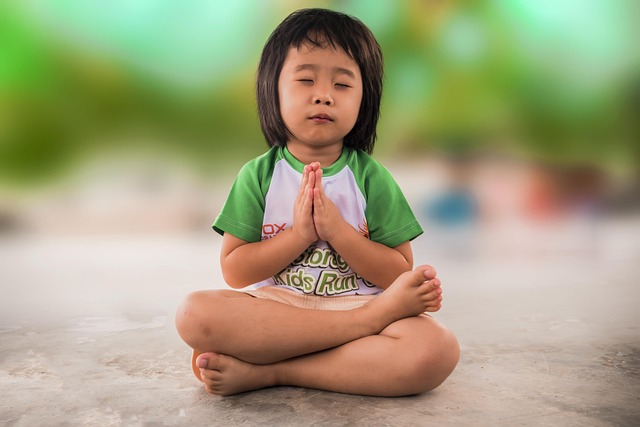
In understanding girls’ rights as a fundamental perspective, it’s clear that the Girl Child’s Journey is fraught with challenges but also marked by significant milestones. Empowering girls through education, health, and safety is not just a goal but an imperative for their holistic development and a better future. Global initiatives have made notable progress in advocating for and protecting these rights, demonstrating that collective action can drive change. Readers gain invaluable insights into the complex yet hopeful landscape of girls’ rights, underscoring the urgent need for continued efforts at both global and local levels. Practical next steps include supporting educational programs, promoting access to healthcare, and actively engaging in advocacy to ensure that every Girl has the opportunity to reach her full potential.