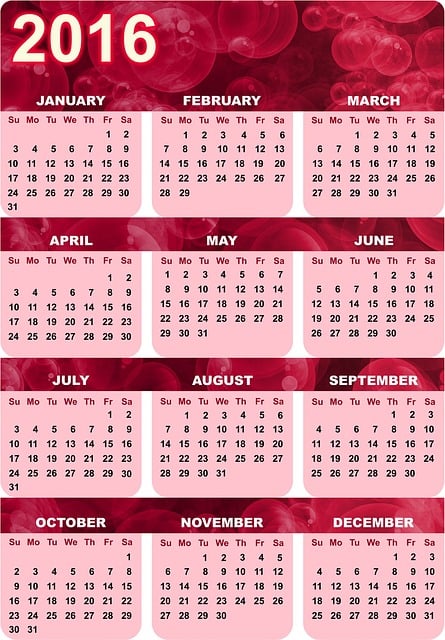
Adopting the Hijri Calendar globally requires addressing cultural resistance, practical challenges, and aesthetic considerations stemming from its lunar basis and historical context. Key strategies include education, awareness campaigns, digital tools for conversion, artistic modernization, and phased transitions. By engaging Islamic scholars, community leaders, and leveraging technology, societies can overcome barriers and embrace the Hijri Calendar's symbolic significance, fostering cultural understanding and unity.
The Hijri Calendar, with its rich historical significance, has long been the cornerstone of Islamic cultural identity. As we navigate an increasingly interconnected world, the prospect of adopting this lunar calendar globally presents both opportunities and challenges. This article delves into the intricate issues surrounding such a transition, from cultural integration to technological adaptation. We explore the complexities inherent in harmonizing diverse timekeeping systems, while highlighting potential solutions that could pave the way for a unified global timeline based on the Hijri Calendar.
- Understanding the Hijri Calendar: A Global Perspective
- Cultural and Religious Barriers to Adoption
- Practical Implementation Challenges in Diverse Societies
- Historical Context and Resistance to Change
Understanding the Hijri Calendar: A Global Perspective

Adopting the Hijri Calendar globally presents a complex set of challenges rooted in cultural understanding, practical implementation, and aesthetic interpretation. The Hijri Calendar, with its rich historical significance, offers an alternative temporal framework to the widely adopted Gregorian calendar. However, its global embrace is hindered by several factors. One of the primary hurdles is the deep-seated reliance on the Gregorian system worldwide, making a transition difficult for both individuals and institutions. Overcoming this requires a strategic approach that involves education, awareness campaigns, and policy interventions to facilitate the process.
Understanding the Hijri Calendar from a global perspective necessitates appreciating its unique characteristics. Unlike the Gregorian calendar, which is solar-based, the Hijri follows a lunar cycle, making it approximately 10 to 12 days shorter each year. This discrepancy leads to a gradual shift in the alignment of Islamic holidays with seasonal changes over a 33-year cycle. Artistic representations of the Hijri months, from Muharram to Rajab, can visually convey these cycles and aid in fostering a deeper connection with the calendar. For instance, artistic interpretations of the first three months (Muharram, Safar, and Ramadan) can highlight their distinct cultural and religious significance, encouraging a modern embrace of hijri aesthetics.
Converting from the Gregorian to Hijri date involves meticulous calculations, especially when considering leap years in the former. Online tools and mobile applications have made this process more accessible, allowing users to easily convert dates and understand the underlying astronomical principles. However, accurate conversion requires a solid grasp of both calendars’ mechanisms. Educational institutions play a vital role in disseminating knowledge about the Hijri Calendar, ensuring future generations are equipped with the skills needed for global temporal navigation.
In light of these challenges, fostering a global adoption of the Hijri Calendar requires a multifaceted approach. It involves not only interpreting its historical and religious significance but also modernizing its presentation to appeal to contemporary audiences. By integrating hijri aesthetics into everyday life through artistic representations, we can make the calendar more accessible and culturally relevant. Additionally, providing practical resources for conversion and education will facilitate its global embrace, creating a seamless bridge between two temporal frameworks. Find us at Hijri Calendar for more insights on navigating this rich and complex subject.
Cultural and Religious Barriers to Adoption
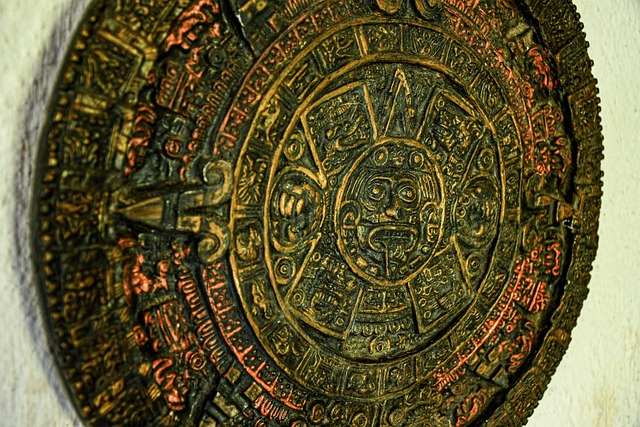
Adopting the Hijri Calendar globally faces significant cultural and religious barriers, stemming from deeply rooted practices and beliefs across diverse societies. While the Hijri Calendar has profound implications for Islamic art, influencing its intricate motifs and symbolic representations, many communities remain hesitant to transition from the Gregorian system, which is deeply ingrained in their daily lives and formal structures. For instance, the timing of religious observances, festivals, and even school calendars are often aligned with the Gregorian year, making a shift challenging.
Architecturally, the Hijri Calendar’s impact is similarly profound, dictating the placement of mosques, the design of prayer spaces, and the celebration of Islamic holidays through seasonal landmarks. However, these cultural touchstones can also become barriers to adoption when communities fear disruption to their established practices. For example, in countries with large non-Muslim populations, the alignment of Hijri dates with local festivities and cultural events requires careful consideration to avoid potential conflicts or misunderstandings.
Practical implementation strategies must address these concerns through education, inclusive dialogue, and phased transitions. Introducing the Hijri Calendar alongside Gregorian dates for daily planning can help ease users into the new system. Utilizing digital tools that seamlessly integrate both calendars can facilitate this process. Moreover, engaging Islamic scholars, community leaders, and artists to advocate for the Hijri Calendar’s benefits in terms of enhancing cultural identity, promoting unity, and deepening spiritual connection with Islamic art and architecture, can foster broader acceptance. By finding us at how hijri calendar influences islamic art and embracing these strategies, societies can navigate the challenges toward a more unified global understanding of time through the Hijri Calendar.
Practical Implementation Challenges in Diverse Societies

Adopting the Hijri Calendar globally presents a multitude of challenges, particularly when considering its practical implementation across diverse societies. The Hijri Calendar, primarily used for religious observances, is based on lunar cycles, differing significantly from the widely adopted Gregorian calendar. This discrepancy necessitates careful consideration and innovative solutions for seamless conversion and integration. One of the primary hurdles lies in the timing discrepancies; months in the Hijri calendar drift approximately 11 days earlier each year compared to the Gregorian system, posing a complex task for synchronizing global events and festivals accurately.
The practical application of the Hijri Calendar becomes increasingly intricate when accounting for varying time zones and cultural norms. For instance, a religious event celebrated on a specific date in one region might not align with local timings in another, leading to potential confusion and participation issues. This challenge demands sophisticated tools and platforms that enable real-time conversion from Gregorian to Hijri dates, fostering inclusivity and ensuring individuals worldwide can participate authentically in hijri calendar for religious observances.
To bridge this gap, technology plays a pivotal role. Advanced digital solutions, including mobile applications and online converters, are instrumental in facilitating the practical application of the Hijri Calendar. These tools empower users to quickly and accurately convert dates, fostering a more unified global experience. Furthermore, educational initiatives aimed at promoting understanding and appreciation of both calendars can significantly enhance cross-cultural communication and cooperation. By encouraging open dialogue and sharing historical context, societies can navigate these challenges together, ultimately enriching their collective cultural tapestry, as evidenced by the successful integration of hijri dating in historical records across diverse civilizations.
Visit us at Hijri Dating in Historical Records to explore more about this fascinating subject and gain actionable insights into navigating these complex yet rewarding challenges.
Historical Context and Resistance to Change

Adopting the Hijri Calendar globally presents a unique set of challenges rooted deeply in historical contexts and cultural resistance to change. The Hijri Calendar, with its origins in Islamic tradition, has long been a cornerstone for marking time within Muslim communities worldwide. However, its transition into mainstream global usage is met with complexities that demand careful consideration. Historically, the calendar’s introduction was tied to significant events in Islamic history, with months named after pivotal moments and places. This rich historical context has fostered deep artistic representations of Hijri months, seen in various forms of art and literature, which can both aid and complicate its global adoption.
One of the primary hurdles is the resistance to change inherent in any cultural practice, especially when it involves a calendar system that has served communities for centuries. Many individuals and institutions are comfortable with the Gregorian Calendar’s widespread use, making the shift to Hijri dates for daily planning and scheduling a significant adjustment. This sentiment is exacerbated by the practical challenges of integrating Islamic holidays based on the Hijri Calendar into existing global holiday schedules, which often require coordination at international levels. Despite these obstacles, the artistic expressions and symbolic meanings inherent in the Hijri Calendar offer a compelling case for its adoption, as it enriches cultural understanding and fosters a deeper connection to Islamic history and traditions.
To bridge this gap, educational initiatives that highlight the historical and cultural significance of the Hijri Calendar are crucial. Engaging communities through workshops, cultural events, and accessible online resources can facilitate a smoother transition. Moreover, leveraging technology to create user-friendly digital tools for converting between Gregorian and Hijri dates can simplify daily planning. By embracing this evolution while respecting traditional practices, we can ensure that the Hijri Calendar becomes more than just a historical artifact—it can become a vibrant part of global timekeeping, giving us a call at its etymology as a testament to human adaptability and cultural exchange.
The Hijri Calendar’s global adoption faces significant challenges rooted in cultural, religious, and practical factors. Historically resistant to change, its implementation across diverse societies encounters barriers related to existing traditions and practices. Cultural norms and religious attachments to alternative calendars create a complex landscape. Furthermore, the practical complexities of transitioning to a new system vary widely depending on geographical location and societal structures.
Despite these challenges, recognizing the Hijri Calendar’s potential benefits for fostering cultural understanding and unity is crucial. Moving forward, open dialogue between communities, educational initiatives, and culturally sensitive implementation strategies are key to navigating these obstacles and potentially realizing the calendar’s global integration.