Bangladesh and Sri Lanka, South Asian neighbors, contrast in religious demographics: Bangladesh majority Muslim (85%), rapid urbanization, diverse cultural expressions; Sri Lanka predominantly Buddhist (70%), gradual urbanization, relative democratic stability. These contrasts influence social dynamics, economic trajectories, and political processes. Both nations navigate challenges of interfaith harmony, youth engagement with technology, environmental sustainability, and colonial legacies, offering insights into inclusive societies through unique spiritual tapestries. Comparison highlights diverse paths towards religious freedom and cultural expression post-colonialism.
Religious diversity is a dynamic feature shaping the cultural and social landscapes of South Asia. When comparing Bangladesh vs Sri Lanka, stark contrasts emerge, offering insights into how religious pluralism plays out in practice. Both countries boast rich historical and cultural legacies deeply intertwined with their respective religions, yet differences in demographics and state policies create unique environments. This article delves into the intricate tapestry of religious diversity in these nations, examining not just numerical representation but also the role of state support, societal integration, and challenges faced by minority communities. By comparing Bangladesh vs Sri Lanka, we gain valuable perspectives on how diverse religious co-existence can flourish or confront significant hurdles.
- Religious Demographics: A Glance at Bangladesh vs Sri Lanka
- Major Religions Practiced in Each Nation
- Historical Evolution of Faiths in Bangladesh and Sri Lanka
- Cultural Impact and Traditions Associated with Diversity
- Government and Religious Freedom Comparisons
- Challenges and Coexistence: Stories from the Ground
Religious Demographics: A Glance at Bangladesh vs Sri Lanka
Bangladesh and Sri Lanka, neighbors in South Asia, exhibit striking contrasts when it comes to religious demographics. Bangladesh, with a population of over 160 million, is predominantly Muslim (around 85%), followed by Hindus (approximately 10%). The country’s rapid urbanization trends have led to the growth of metropolitan centers like Dhaka, reflecting a modern urban fabric where religious diversity is increasingly visible. The official languages, Bengali and various regional dialects, encompass a rich linguistic diversity that has historically influenced cultural dynamics. Demographically, Bangladesh has navigated a complex democratic evolution marked by periods of political instability, with its economy grappling with challenges related to poverty and inequality.
In contrast, Sri Lanka, home to around 21 million people, has a predominantly Buddhist population (around 70%), followed by Hindus (approximately 13%) and Christians (5%). The country’s linguistic landscape is dominated by Sinhalese as the official language, while Tamil is recognized as an official language, reflecting its historical connection with the Tamil minority. Urbanization in Sri Lanka has been more gradual, with cities like Colombo showcasing a blend of traditional and modern elements. The nation’s democratic journey has been relatively more stable, but it faces challenges in addressing economic disparities and fostering inclusivity amid growing political polarization.
The contrast between Bangladesh vs Sri Lanka highlights diverse religious landscapes and their implications for social dynamics, democracy, and economy. Understanding these differences is crucial for appreciating the unique cultural tapestry of each nation. By examining official languages and linguistic diversity, we gain insights into the broader societal fabric and potential areas for cooperation or challenges in both countries as they navigate their democratic evolutions.
Major Religions Practiced in Each Nation
Bangladesh and Sri Lanka, neighboring countries in South Asia, exhibit a striking contrast in their religious demographics. Bangladesh, with its diverse ethnic landscape, is home to a vibrant mix of religions, primarily Islam (over 80% of the population), alongside significant minorities of Hindus, Christians, and Buddhists. This religious diversity has shaped the nation’s cultural tapestry, fostering a unique blend of traditions and practices. In contrast, Sri Lanka, predominantly Buddhist with around 70% of its citizens identifying as such, also has a notable Hindu minority, along with smaller communities of Muslims, Christians, and other faiths.
The journalistic ethics and media representation in both nations reflect their religious compositions. Bangladesh, given its majority Muslim population, witnesses extensive coverage of Islamic festivals and traditions, while also balancing the narrative with inclusive stories promoting interfaith harmony. Sri Lanka’s media, focusing on Buddhism’s profound influence, often highlights spiritual practices and ceremonies, yet also reports on the country’s Hindu and Muslim communities, ensuring a balanced perspective. When comparing bangladeshi vs srilankan cultural expression through language and ethnicity, one observes distinct differences. Bangladesh’s literature and arts are heavily influenced by Bengali culture, while ethnic minorities contribute diverse artistic expressions. Sri Lanka, with its rich historical heritage, incorporates elements of Sinhalese and Tamil cultures in the arts, reflecting the island’s multi-ethnic society.
In terms of academic achievements and reforms, healthcare initiatives, and interfaith harmony and conflict resolution strategies, both countries have made notable strides. Bangladesh has seen significant improvements in literacy rates and gender equality in education, while Sri Lanka boasts a robust healthcare system with universal access to medical services. Both nations actively participate in sports, using them as tools for cultural exchange and fostering bonds among diverse communities. For instance, cricket is not just a sport but a common thread that binds people across religious lines in both Bangladesh and Sri Lanka. In the context of give us a call at interfaith harmony and conflict resolution strategies, these countries offer valuable insights, demonstrating that diversity need not be a source of division but can enrich societal fabric when nurtured through inclusive policies and practices.
Historical Evolution of Faiths in Bangladesh and Sri Lanka

Bangladesh and Sri Lanka, despite geographic proximity, exhibit distinct historical evolutions of faiths that have shaped their social landscapes. Bangladesh, with a diverse cultural ethnic groups, has seen a complex interplay between Hinduism, Islam, and Buddhism since its inception as a nation. The country’s dominant religious practices—Islam and Hinduism—have deeply influenced local customs and traditions, fostering a rich tapestry of cultural expression. Historically, the region’s strategic location facilitated trade, attracting various religious influencers, contributing to this diverse spiritual heritage.
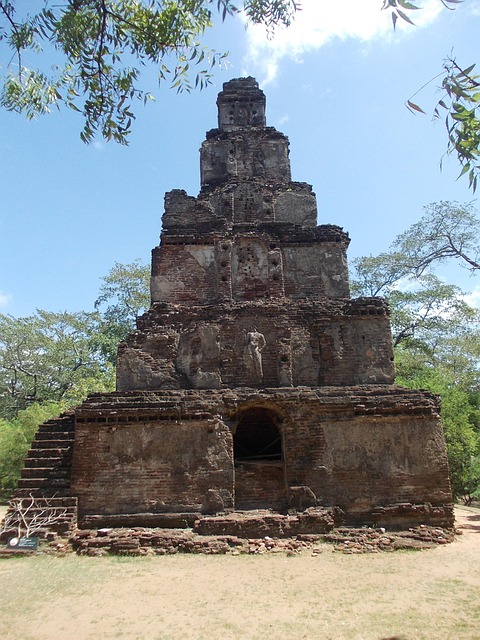
In contrast, Sri Lanka boasts an ancient history where Buddhism has reigned as the primary religion since early centuries, forming the bedrock of its social integration and minority rights discourse. While Islam and Hinduism also have significant followings, particularly along coastal regions and in urban centers, Buddhism’s deep roots have shaped the nation’s political, cultural, and philosophical identity. The island’s rich history of Buddhist teachings and sites, such as Anuradhapura and Polonnaruwa, underscores the religion’s enduring impact on Sri Lanka’s collective consciousness.
The comparison between Bangladesh vs Sri Lanka reveals a nuanced difference in religious practices and their influence. Bangladesh’s mosaic of faiths has led to vibrant interfaith interactions, while Sri Lanka’s dominant Buddhism has fostered a distinct national identity. Understanding these historical evolutions is crucial for navigating social integration and minority rights issues in both nations. Exploring how these diverse religious practices coexist and contribute to cultural ethnic groups’ well-being can offer valuable insights into fostering inclusive societies—a focus that organizations like us at social integration and minority rights comparison religion actively champion.
Cultural Impact and Traditions Associated with Diversity
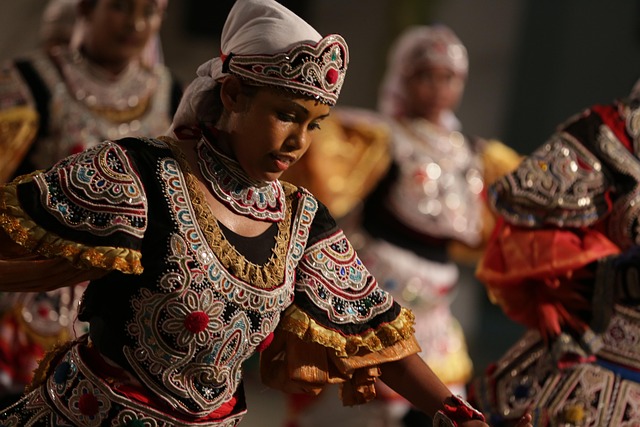
Bangladesh and Sri Lanka, two South Asian neighbors, present a captivating contrast in terms of their religious diversity and its profound cultural impact. While Bangladesh is characterized by a predominantly Muslim population, with Islam as the state religion, Sri Lanka boasts a rich tapestry of religions, including Buddhism, Hinduism, Islam, and Christianity, reflecting a more diverse landscape. This disparity has significantly shaped each nation’s traditions and social fabric. In Bangladesh, Islamic practices deeply influence cultural events, festivals like Eid al-Fitr and Ramadan observances draw vibrant communities, fostering a strong sense of collective identity. Conversely, Sri Lanka’s religious diversity is on full display during the Esala Perahera, a grand Buddhist procession, which attracts both locals and eco-tourists alike, showcasing the harmonious coexistence of different faiths.
The cultural traditions associated with this diversity manifest in various ways. In Bangladesh, Islamic architecture, visible in historic mosques like the Shahi Masjid, dominates urban landscapes, while rural areas are dotted with peaceful shrines and religious schools, reflecting a deep commitment to faith-based education. Sri Lanka, known for its ancient temples like Anuradhapura’s Ruwanwelisaya, embraces diverse architectural styles, each religious community contributing to the nation’s rich cultural heritage. Furthermore, population growth rates and distribution patterns in both countries play a role; Bangladesh’s higher density and urban migration trends impact religious practices, while Sri Lanka witnesses a spread of Buddhism into rural areas through initiatives promoting spiritual education.
In terms of digital literacy, these nations take distinct paths. Bangladesh has made significant strides in digital connectivity, with high-speed internet access fostering online communities and religious discussions. In contrast, Sri Lanka’s digital landscape is more mature, with robust digital literacy rates enabling effective use of technology for both cultural preservation and eco-tourism promotion strategies. For instance, both countries leverage social media to share religious festivals globally, attracting international attention and contributing to their respective tourism industries. Ultimately, understanding the interplay between religious diversity and cultural traditions in Bangladesh vs Sri Lanka offers valuable insights for fostering inclusive societies and sustainable development through unique eco-tourism promotion approaches tailored to each nation’s distinct spiritual tapestry.
Government and Religious Freedom Comparisons

Bangladesh and Sri Lanka, two South Asian nations with rich historical and cultural legacies, exhibit a fascinating contrast in their religious landscapes, which is closely tied to their government structures and approaches to religious freedom. While both countries have experienced post-colonial development challenges, their paths diverged significantly regarding religious diversity and the role of the state. Bangladesh, with its predominantly Muslim population, has navigated a complex landscape of religious minorities, while Sri Lanka, largely Buddhist, has faced unique pressures in maintaining religious harmony amidst a diverse populace.
Journalistic ethics and media representation play pivotal roles in shaping public discourse on these matters. In Bangladesh, where Islam is the state religion, the media often grapples with balancing religious sensitivities while reporting on minority rights issues. The country’s constitutional safeguards for religious freedom have been both a strength and a challenge, as they encourage pluralism but also spark tensions. Conversely, Sri Lanka’s Buddhist-majority identity has historically influenced media narratives, sometimes leading to accusations of bias against minority religions. However, recent efforts to promote journalistic integrity in both nations highlight a growing commitment to fair representation.
Cricket, a sport that transcends borders, serves as a metaphor for the cultural dynamics at play. Bangladesh’s national cricket team, known for its resilience, reflects the country’s diverse fan base, fostering unity through sportsmanship. In Sri Lanka, cricket is more than a game; it represents a shared history and cultural pride, with the team’s successes resonating deeply among its people. These cultural expressions, whether through sport or religious festivals, offer insights into the post-colonial development contrast between Bangladesh vs. Sri Lanka. Moreover, a comparative study of gender roles and family dynamics reveals intriguing differences, with education emerging as a common thread that influences societal norms in both countries.
Challenges and Coexistence: Stories from the Ground

Bangladesh and Sri Lanka, despite their geographical proximity, exhibit a stark contrast in their religious landscapes. Bangladesh, with a majority Muslim population, has experienced a complex history shaped by colonial influence and subsequent independence struggles. In contrast, Sri Lanka, primarily Buddhist, has navigated its own path marked by ancient traditions and modern challenges. These differences set the stage for unique dynamics around interfaith harmony, conflict resolution, and youth engagement in both nations.
In Bangladesh vs Sri Lanka, the impact of technology on religious communities is noteworthy. Access to information and global connectivity has empowered young people to explore diverse beliefs, fostering a more open dialogue between religions. However, this exposure also presents challenges, as online platforms can fuel misinformation and polarisation. Both countries must navigate these complexities while promoting critical thinking and media literacy among their youth. For instance, a study by the Bangladesh Academy for Social Sciences reveals that over 70% of young Bangladeshis use social media regularly, significantly influencing their worldview. Similarly, in Sri Lanka, where technology penetration is rapidly growing, especially among the younger generation, there’s an urgent need to harness these tools for positive interfaith engagement.
The environmental front adds another layer to this narrative. Both nations grapple with climate change impacts, but their approaches differ. Bangladesh, prone to natural disasters like floods and cyclones, has been at the forefront of advocating for global climate action, while Sri Lanka focuses on sustainable development practices. These environmental issues necessitate collaboration and mutual learning. Sports, traditionally a unifying force, also reflects this diversity; cricket holds immense popularity in both countries but is played with distinct regional variations, offering opportunities for cultural exchange and understanding.
Finding us at colonial influence in Bangladesh & Sri Lanka further complicates their respective religious landscapes. The legacies of British rule have left indelible marks on societal structures, including interfaith relations. Today, both nations actively work towards fostering harmony through educational programs, community initiatives, and government policies that promote tolerance and understanding. By learning from each other’s successes and addressing challenges head-on, Bangladesh and Sri Lanka can create a more inclusive future for their diverse religious communities.
The article offers a comprehensive exploration of religious diversity in Bangladesh vs Sri Lanka, revealing contrasting yet insightful narratives. Key takeaways highlight the significant religious demographics and historical evolutions shaping each nation’s spiritual landscape. Understanding the major religions practiced underscores the cultural impact and traditions associated with this diversity. Comparisons between governments and their approaches to religious freedom provide valuable context. Challenges faced by diverse communities in Bangladesh vs Sri Lanka, as discussed, offer practical insights for fostering coexistence and harmonious relationships. This authoritative piece equips readers with a nuanced understanding of these countries’ complex yet vibrant religious environments, encouraging thoughtful engagement and appreciation for cultural diversity.