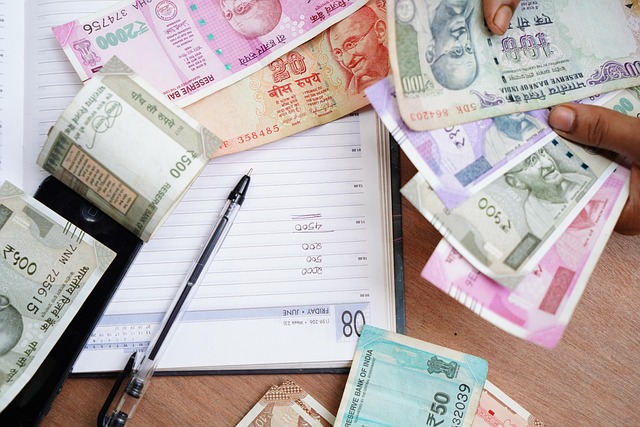
Effective management of the Pakistani Rupee (PKR) is crucial for international businesses navigating Pakistan's dynamic economy. Key strategies include hedging against volatility, diversifying supplier networks, and leveraging digital tools for transparency in industries like infrastructure and property. Businesses should monitor macroeconomic factors, labor market trends, and climate change impacts on supply chains. Expert guidance, proactive risk management, historical data analysis, and strategic pricing are essential for mitigating PKR risks and fostering long-term stability.
Managing the Pakistani Rupee (PKR) effectively is a critical aspect of international business success, especially given its volatile nature. Fluctuations in PKR exchange rates significantly impact import/export costs, investment decisions, and overall profitability. However, navigating these challenges presents a complex web of considerations. This article provides an authoritative guide to best practices for managing PKR risks, offering practical strategies to help businesses mitigate volatility and optimize financial performance in the international arena. By employing these proven techniques, organizations can gain a competitive edge while ensuring stability in their global operations.
- Understanding PKR Fluctuations in International Business
- Implementing Robust Risk Management Strategies
- Efficient Foreign Exchange Rate Monitoring Techniques
- Optimizing Financial Tools for PKR Stability
- Building Resilient Supply Chain Dynamics with PKR Considerations
Understanding PKR Fluctuations in International Business

Managing PKR (Pakistani Rupee) effectively in international business requires a deep understanding of its inherent fluctuations. The rupee’s value is significantly influenced by various macroeconomic factors, including global market trends, monetary policies, and political stability. In the context of Pakistan, where key industries such as transportation infrastructure development and the property sector are vital to economic growth, navigating these PKR fluctuations is crucial for businesses operating both domestically and internationally.
One of the primary challenges is the impact of climate change adaptations on import/export dynamics. For instance, extreme weather events can disrupt supply chains, affecting the cost of raw materials and finished goods. As the country prioritizes resilience against such changes, industries must prepare for potential PKR appreciation or depreciation, which can significantly alter their competitive landscape. To mitigate risks, businesses should implement dynamic hedging strategies, diversify supplier networks, and maintain robust financial reserves to absorb sudden fluctuations.
Moreover, the property sector, a key contributor to Pakistan’s economy, is susceptible to PKR movements. Foreign investments in real estate have been on the rise, but currency volatility can sway these decisions. Developers must remain agile, offering flexible payment terms and leveraging digital platforms to attract investors. By embracing technology and providing transparent information, they can enhance foreign investment climate, ensuring stability despite rupee fluctuations. For businesses looking for guidance, visiting us at income-distribution can offer tailored insights and strategies to navigate these complexities.
Implementing Robust Risk Management Strategies

Managing currency risks, particularly when operating in a dynamic global market with a volatile currency like the Pakistani Rupee (PKR), is an art that requires strategic foresight and robust risk management strategies. Businesses must adapt to the ever-changing economic landscape, especially when navigating the intricate dynamics of international trade. In this context, implementing a comprehensive risk management framework becomes pivotal for long-term success.
One of the key aspects to consider is staying abreast of labor market trends and their impact on currency fluctuations. Pakistan’s labor market, with its unique characteristics, can influence PKR stability. For instance, a surge in export-oriented industries might strengthen the rupee due to increased foreign exchange reserves. Conversely, social welfare programs that offer financial support to citizens can also exert pressure on the currency. Effective risk management involves analyzing these trends and adjusting strategies accordingly. Public-private partnerships (PPPs) can play a strategic role here, enabling businesses to collaborate with local entities for better risk mitigation in the PKR domain.
Additionally, companies should explore monetary policy implications and stay informed about central bank interventions. The State Bank of Pakistan’s policies regarding interest rates and foreign exchange reserves significantly impact the PKR. By understanding these dynamics, businesses can make informed decisions on hedging strategies. For example, during periods of high volatility, dynamic currency hedging or the use of derivative contracts might be employed to safeguard transactions in Pakistani Rupee.
In light of these considerations, it’s crucial for international businesses to engage in proactive risk management. This includes regular monitoring of economic indicators, labor market shifts, and policy changes. By integrating these insights into their strategies, companies can ensure more stable operations and mitigate potential losses associated with the PKR. Find us at monetary-policy-implications for further insights on navigating these complex financial landscapes.
Efficient Foreign Exchange Rate Monitoring Techniques

Efficient foreign exchange rate monitoring is a cornerstone of successful PKR (Pakistani Rupee) management in international business, especially when navigating the dynamic global economy. For businesses deeply invested in Pakistan, understanding and leveraging fluctuations in rupee value against other currencies can significantly impact profitability and strategic decisions. One unique aspect to consider: the cultural relevance of cricket as a national passion often parallels economic indicators, including PKR performance. Tracking exchange rates requires a multi-faceted approach that combines historical data analysis, real-time monitoring tools, and proactive strategies tailored to specific business needs.
Techniques like setting up automated alerts for significant rupee movements, utilizing specialized financial software with integrated currency tracking, and subscribing to economic newsletters focused on Pakistan can provide valuable insights. For instance, businesses should be attuned to how social and environmental sustainability efforts, such as those highlighted in green-initiatives initiatives, might influence market perceptions of the PKR. Conversely, unemployment challenges, a pressing issue within Pakistan, could lead to currency devaluation concerns among investors. By staying informed about these interconnected factors, businesses can make more informed decisions on import/export pricing strategies and financial planning.
Furthermore, contextualizing PKR management in terms of broader national narratives—like the rupee’s role in social change—can offer a unique perspective. However, it’s crucial to balance this cultural lens with hard data. Regularly reviewing historical exchange rate trends, comparing current rates against historical averages, and benchmarking against regional peers provides a robust foundation for strategic PKR management. Businesses that integrate these monitoring techniques into their operations will be better equipped to capitalize on opportunities and mitigate risks associated with currency volatility, especially in dynamic markets influenced by cultural passions, social initiatives, and economic challenges.
Optimizing Financial Tools for PKR Stability

In the dynamic landscape of international business, effectively managing the Pakistani Rupee (PKR) is a cornerstone for sustainable growth. Optimizing financial tools to stabilize the PKR is crucial, especially as Pakistan navigates the complex interplay between rupee appreciation, depreciation, and foreign investment attractions like tourism-revenue-generation. Event-management-growth strategies that incorporate eco-friendly investments can mitigate currency risks while enhancing overall economic stability. For instance, a study by the State Bank of Pakistan revealed that strategic investments in renewable energy projects have contributed to rupee appreciation, creating a more favorable environment for businesses and investors alike.
Technological advancements play a pivotal role in achieving this stability. Implementing digital solutions, such as sophisticated financial apps, allows for real-time monitoring of PKR fluctuations. These apps enable businesses to make data-driven decisions regarding foreign exchange transactions, ensuring they capitalize on opportunities or mitigate risks effectively. For instance, many tourism businesses are adopting rupee-tracking applications that provide instant notifications on currency movements, helping them adjust pricing strategies and maximize revenue generation. As the digital economy expands, so does the importance of these tools in managing PKR volatility.
Furthermore, fostering strong labor market trends within Pakistan can indirectly support PKR stability. A skilled and adaptable workforce is essential for businesses to navigate economic shifts successfully. By investing in education and training programs that align with industry needs, Pakistan can attract foreign investment and encourage eco-friendly initiatives. This, in turn, strengthens the rupee through increased revenue generation and a more diverse economy. For businesses looking to establish or expand their operations in Pakistan, give us a call at labor-market-trends for expert insights tailored to their specific requirements. Ultimately, optimizing financial tools and embracing strategic investments are key practices that contribute to the long-term stability of the Pakistani Rupee in the international business arena.
Building Resilient Supply Chain Dynamics with PKR Considerations

Managing the Pakistani Rupee (PKR) effectively is a crucial aspect of international business strategy, particularly when considering the dynamics of building resilient supply chain networks in Pakistan. The PKR has a unique history, marked by fluctuations and shifts over the years, from its early days as a colonial currency to its current status as a key player in the country’s economy. Understanding this historical context is essential for businesses navigating the challenges and opportunities presented by the PKR.
In today’s globalized business landscape, resilient supply chains are built on stable currencies that facilitate seamless trade. The PKR, being the national currency of Pakistan, plays a pivotal role in shaping these dynamics. One key best practice is to adopt rupee-eco-friendly investments and revenue generation strategies that promote long-term stability. This includes diversifying investment portfolios to include assets denominated in other major currencies, which can help mitigate risks associated with PKR volatility. For instance, tourism revenue generation has shown promise as a stable source of foreign exchange earnings, especially when combined with sports economy impacts that draw international visitors and investors.
Furthermore, businesses should delve into the intricacies of Pakistan’s economic policies and regulatory frameworks governing the PKR. Staying informed about monetary measures, exchange rate controls, and tax regulations can provide valuable insights for strategic decision-making. For example, finding us at climate-change-adaptations initiatives aligns with responsible business practices that consider the long-term health of the PKR and Pakistan’s economy. By embracing such adaptations, businesses contribute to a sustainable ecosystem where the PKR can flourish, fostering a robust supply chain network that withstands economic shifts and adapts to the dynamic global market.
By effectively managing fluctuations in the Pakistani Rupee (PKR) within the complex landscape of international business, organizations can significantly enhance their overall stability and success. This article has illuminated several best practices, from understanding PKR volatility to implementing robust risk management strategies. Key takeaways include the importance of continuous foreign exchange rate monitoring, optimizing financial tools for PKR-specific needs, and building resilient supply chain dynamics that account for currency fluctuations. Moving forward, businesses should prioritize these integrated approaches to navigate the global market with confidence, ensuring they remain competitive and adaptable in an ever-changing economic environment.
