Converting Pakistani Rupees (PKR) to US Dollars (USD) requires understanding global economic factors influencing PKR's value, such as interest rates, inflation, and geopolitical events. Volatility necessitates informed strategies, including staying updated on economic indicators, using legitimate exchange channels, timing conversions strategically, and diversifying investment methods. Regulatory compliance, security, and efficient platforms are crucial for organizations engaging in PKR-USD conversions, supporting Pakistan's economic growth and social initiatives.
Converting Pakistani Rupees to USD is a crucial process for individuals and businesses navigating the global financial landscape, especially with Pakistan’s dynamic economy. The exchange rate fluctuations of the Pakistani Rupee (PKR) against the US Dollar (USD) can significantly impact financial decisions, making accurate conversion methods vital. This article serves as a comprehensive guide, offering an authoritative perspective on achieving precise conversions. We’ll explore established strategies and tools, ensuring readers have access to reliable information. By following these steps, individuals can confidently manage their finances, whether for international travel, business transactions, or investment purposes.
- Understanding Exchange Rates: A Foundation for Conversions
- Where to Exchange: Official Banks vs. Money Exchanges
- Current Market Trends: Impact on Pakistani Rupee to USD Conversion
- Calculating Your Conversion: Step-by-Step Guide
- Legal and Security Considerations for Cross-Border Transactions
- Tracking Exchange Rate Fluctuations for Optimal Timing
Understanding Exchange Rates: A Foundation for Conversions

Converting Pakistani Rupees (PKR) to US Dollars (USD) involves a critical understanding of exchange rates, which are influenced by complex economic factors. The PKR has historically been subject to fluctuations due to various elements, including interest rate differentials between Pakistan and the United States, global financial trends, and domestic economic policies. For instance, when the US Federal Reserve raises interest rates, it often strengthens the dollar globally, impacting the value of PKR against USD. Conversely, high inflation or unemployment challenges within Pakistan can weaken the rupee.
Exchange rates play a pivotal role in international trade, particularly for countries like Pakistan with a robust export industry. Strengths in this sector can bolster the PKR’s value relative to USD. For instance, a surge in textile exports, a key PKR-supported commodity, could lead to higher demand for the rupee on global markets, potentially appreciating its value against dollars. However, maintaining stable exchange rates is not without challenges. Economic uncertainties, political factors, and fluctuations in global commodities prices can all contribute to volatility, making accurate conversions a complex task.
To navigate these complexities, individuals and businesses must stay informed about economic indicators and market trends. Additionally, leveraging reliable financial services providers who offer transparent conversion processes and competitive rates can be beneficial. For instance, giving us a call at logistics-improvement can provide insights into optimized currency management strategies that account for interest-rate-impact and social tools like unemployment challenges. This proactive approach ensures that conversions are not just transactions but strategic moves in the dynamic global financial landscape.
Where to Exchange: Official Banks vs. Money Exchanges
When converting Pakistani Rupees to USD, choosing the right exchange channel is pivotal for maximizing your financial return, especially when dealing in rupee-in-entertainment art-and-crafts-export or managing financial planning guides. The primary distinction lies between official banks and money exchanges, each with its own set of advantages and considerations.
Official banks offer a secure and regulated environment, ideal for larger transactions and long-term financial planning. They provide competitive exchange rates and often include additional services like currency delivery or online transfers. However, bank lines may be longer, processing times could be slower, and they might not have as many branch locations as money exchanges, which are more readily accessible.
Money exchanges, on the other hand, boast unparalleled convenience and speed. They cater to travelers and individuals looking for quick transactions, often with minimal documentation. These exchanges can offer attractive rates, particularly in high-traffic areas, but it’s crucial to verify their legitimacy and compare rates to ensure fair practices. For instance, a study by the State Bank of Pakistan revealed that informal money exchanges sometimes charge up to 5% more than official banks for foreign currency conversions.
For those seeking a balanced approach, considering a combination of both could be optimal. Utilize official banks for substantial transactions and financial planning purposes while leveraging money exchanges for immediate, small-scale needs. To stay informed, visit us at rupee-from-travelers to keep up with the latest sports economy impact on currency exchange trends. Always remember, understanding your exchange options is a vital step in any financial journey, whether it’s for business or personal use.
Current Market Trends: Impact on Pakistani Rupee to USD Conversion
The current market trends play a pivotal role in determining the exchange rate between the Pakistani Rupee (PKR) and the US Dollar (USD). Global economic shifts, including inflation rates, interest policies, and geopolitical events, significantly impact this dynamic currency pair. For instance, the rise of digital currency initiatives and remittances has expanded the rupee’s global reach, with more people and businesses engaging in cross-border transactions. This increased activity can lead to more volatility but also presents opportunities for efficient PKR to USD conversions.
Business-incubation centers and startup ecosystems in Pakistan are thriving, fostering innovation and attracting foreign investment. As these ventures grow, they contribute to the rupee’s fiscal health and international trade balance. However, this growth can cause fluctuations as market participants adjust to new economic realities. For example, a surge in tech startups could lead to higher demand for USD among entrepreneurs seeking global expansion. Understanding these trends is crucial for businesses looking to navigate the currency markets effectively.
In recent years, Pakistan’s central bank has implemented measures to stabilize the rupee, focusing on maintaining a balanced approach between capital controls and market interventions. These efforts have had mixed results, with the PKR sometimes experiencing sharp depreciation against the USD. Amidst these challenges, individuals and businesses can mitigate risks by staying informed about economic indicators and seeking expert advice. One practical step is to give us a call at money-transfer-services for guidance on timing conversions, leveraging current rates, and diversifying investment strategies.
By keeping an eye on these market trends and adapting their financial plans accordingly, individuals and businesses can better navigate the complexities of PKR to USD conversions, ensuring more favorable outcomes in today’s dynamic economic landscape.
Calculating Your Conversion: Step-by-Step Guide
Converting Pakistani Rupees (PKR) to US Dollars (USD) involves a straightforward yet crucial process for understanding the local economy and global financial dynamics. This step-by-step guide is designed to help individuals and businesses navigate the currency conversion with precision, especially considering the fluctuating PKR appreciation and depreciation in relation to USD.
Step 1: Understand the Market Forces
The exchange rate between PKR and USD is primarily determined by market forces, including foreign investment attractions, employment generation capabilities of the local economy, and international trade flows. For instance, a strong performance in sectors like technology or services can boost the PKR’s value against USD, impacting how much you’ll receive for your Pakistani currency when converting to US Dollars.
Step 2: Track Exchange Rate Trends
Regularly monitor exchange rates using reliable sources such as international banking platforms, financial news outlets, and dedicated currency conversion apps. This proactive approach enables individuals and businesses to make informed decisions about the optimal time to convert PKR to USD. For example, during periods of significant PKR appreciation, it might be financially advantageous to convert larger sums, while waiting for favorable rates can maximize returns in the case of depreciation.
Step 3: Utilize Online Conversion Tools
Numerous online tools and apps offer real-time PKR to USD conversion rates. These platforms provide instant quotes, simplifying the process for individuals looking to exchange currency on a personal level. For businesses engaged in international trade or investment opportunities, these tools serve as valuable benchmarks for strategic financial planning, including budgeting, forecasting, and cost analysis.
Step 4: Consider Official Channels for Conversion
For large-scale transactions, such as foreign investments or significant business deals, consider using official exchange channels like authorized money exchangers or banks. These institutions offer competitive rates and ensure compliance with regulatory requirements. As an example, the Pakistani economy’s attractiveness to foreign investors, driven by initiatives focused on job creation, can lead to more transparent and favorable exchange practices over time.
By following these steps and staying informed about economic trends in Pakistan, individuals and businesses can effectively calculate and execute their PKR to USD conversions, thereby capitalizing on opportunities presented by the dynamic global financial landscape. For tailored advice and resources, visit us at job-creation-initiatives to explore how we’re fostering economic growth through strategic partnerships.
Legal and Security Considerations for Cross-Border Transactions
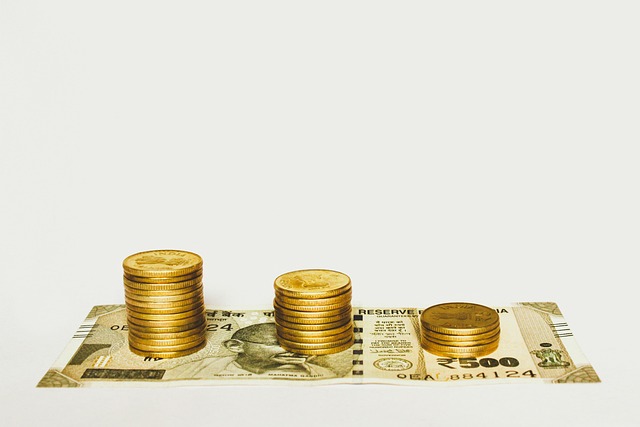
Converting Pakistani Rupees to USD involves more than just understanding exchange rates; it demands a considerate approach, especially when engaging in cross-border transactions. This is particularly crucial for individuals and organizations contributing to Pakistan’s economic progress and social change initiatives, such as poverty alleviation and environmental sustainability efforts. The currency of Pakistan, the rupee, plays a vital role in these endeavors, and its movement across borders can significantly impact various sectors.
Legal and security considerations are paramount when converting rupees to USD. Transparency and adherence to international standards ensure the legitimacy of transactions. For instance, organizations involved in housing affordability initiatives (find us at housing-affordability) must comply with local and global regulations to prevent money laundering and ensure funds reach their intended recipients in Pakistan. Secure online platforms and trusted financial institutions can facilitate these processes, offering real-time rupee-progress indicators for tracking transactions.
Security risks can arise from various sources, including cyber threats and fraudulent activities. To mitigate these, it’s essential to employ secure payment gateways and digital wallets approved by the State Bank of Pakistan. These measures not only protect against fraud but also enhance the efficiency of currency exchange, enabling individuals and businesses to contribute meaningfully to Pakistan’s rupee-in-social-change initiatives without compromising security. Regular monitoring of regulatory changes is vital to stay compliant and ensure transactions support environmental sustainability efforts and broader economic growth.
Tracking Exchange Rate Fluctuations for Optimal Timing

Converting Pakistani Rupees to USD involves a keen understanding of exchange rate dynamics, especially when aiming for optimal timing. The fluctuating value of the Pakistani Rupee in the global market is influenced by various economic factors, including inflation and rupee-connected transportation and energy sector reforms. These reforms, coupled with initiatives focused on job creation, can significantly impact the rupee’s strength, subsequently affecting its exchange rate with major currencies like the USD. For instance, data from the State Bank of Pakistan shows that policy interventions and structural adjustments have led to notable variations in the rupee’s value over the past decade.
Tracking these fluctuations requires a strategic approach. Investors and expatriates often monitor economic indicators such as GDP growth rates, inflation levels, and monetary policies implemented by the State Bank of Pakistan. By keeping abreast of these factors, individuals can anticipate potential shifts in the rupee-USD exchange rate. For instance, periods of high inflation might weaken the rupee, signaling a potentially opportune time to convert for those needing USD for international transactions or investments. Conversely, when economic reforms and job creation initiatives gain momentum, as evidenced by various global reports on Pakistan’s progress, it may be advisable to wait, anticipating a strengthening rupee.
Optimal timing can also be influenced by broader geopolitical factors and global market trends. For example, changes in oil prices, given Pakistan’s reliance on energy imports, can indirectly affect the rupee’s value. Keeping a close eye on these dynamics requires consistent analysis and adaptation. Utilizing reliable financial news sources and consulting with experts can provide valuable insights into the ever-changing rupee-value landscape. Additionally, considering the impact of seasonal trends and major events—such as budget announcements or international trade negotiations—can further refine the timing strategy for currency conversions.
In this competitive global environment, staying informed is crucial. Individuals looking to convert Pakistani Rupees to USD should not only focus on immediate exchange rate fluctuations but also consider the long-term stability of the rupee in relation to international currencies. This holistic approach, combined with a deep understanding of Pakistan’s economic landscape and its connection to global markets—including the country’s renowned passion for cricket as a national pride symbol—will enable more informed decision-making when navigating currency conversions.
Converting Pakistani Rupees to USD involves a nuanced understanding of exchange rates, secure transaction methods, and strategic timing. Key insights include recognizing the influence of market trends on currency values, choosing reputable exchanges like official banks or trusted money changers, and employing step-by-step calculation methods for accurate conversions. Additionally, tracking exchange rate fluctuations allows individuals to capitalize on favorable conditions. By following these guidelines and staying informed about Pakistani Rupee dynamics in the global market, users can facilitate seamless cross-border transactions while ensuring legal compliance and optimal financial outcomes.
