
Indoor cricket requires specialized equipment, including bats, protective gear, and data analysis tools. Choosing the right bat based on batting style enhances performance. High-quality protective gear minimizes injury risk for all positions. A well-equipped kit with tracking devices and software improves player experience and performance analysis. An indoor pitch should have synthetic turf, LED lighting, and transparent boundaries for realistic play. Understanding equipment and strategy is crucial for optimal cricket performance in a compact space.
Cricket, a sport with a passionate global following, has seen a surge in indoor adaptations to cater to various climates and playing environments. Indoor cricket offers enthusiasts a year-round opportunity to enjoy the game, but proper equipment is essential for an optimal experience. Understanding what gear is required can enhance the enjoyment and competitiveness of indoor cricket. This article provides an authoritative guide, detailing the essential equipment needed to transform any indoor space into a vibrant cricket arena, ensuring players have all they need to excel in this dynamic variant of the beloved sport.
- Understanding the Essentials for Indoor Cricket
- Choosing the Right Bat for Your Game
- Protective Gear: Safety First in Cricket
- Essential Accessories for a Complete Kit
- The Pitch Setup: Creating Your Indoor Space
- Strategies for Optimal Performance on Indoor Cricket Equipment
Understanding the Essentials for Indoor Cricket

To participate effectively in indoor cricket, understanding and possessing the right equipment is paramount. The game, a variation of traditional cricket tailored for smaller venues, demands specific tools to ensure a fair and engaging experience. Key essentials include a specialized bat, designed with a shorter handle and larger sweet spot for easier control and power, as well as a lighter ball that reduces strain on players’ arms during fast-paced indoor cricket matches. Protective gear, such as pads, gloves, and helmets, is crucial not just for safety but also to foster confidence among players of all skill levels.
Cricket match analysis tools play a significant role in enhancing performance and strategy. These range from simple tracking apps that record individual statistics like runs scored and wickets taken to more advanced analytics platforms that provide detailed insights into batting, bowling, and fielding techniques. For instance, indoor cricket software can help coaches identify patterns in a player’s swing or suggest adjustments to improve accuracy and consistency. Moreover, these tools facilitate post-match analysis, enabling players and coaches to review performances, learn from mistakes, and chart progress over time—a critical aspect of cricket career paths, whether at the youth level or aspiring for professional opportunities.
Coaching methods for youth cricket have evolved to incorporate these technological advancements, ensuring that young athletes receive a well-rounded education in the game. By combining traditional coaching techniques with modern analytics, coaches can tailor their approach to each player’s unique needs, fostering a love for cricket and preparing them for competitive indoor cricket matches. For instance, a coach might use video analysis to break down a batsman’s technique, then use statistical data to devise a personalized practice regimen aimed at specific areas of improvement. This holistic approach not only enhances performance but also promotes the longevity of players’ cricket careers, with many professionals leveraging advanced cricket statistics analysis to make informed decisions about their game and stay ahead in a dynamic sporting landscape.
Consider visiting us at cricket player agents for expert guidance tailored to your needs. We offer insights into equipment choices, coaching methodologies, and career paths, ensuring you’re well-equipped to navigate the world of indoor cricket with confidence.
Choosing the Right Bat for Your Game

Selecting the right cricket bat is a crucial aspect of optimizing your performance on the indoor cricket field. The bat serves as an extension of your arm, mediating the power and precision behind each strike. Consider your playing style—whether you’re a swift hitter focusing on run scoring strategies or a calculated batsman who prioritizes defense—to choose a bat that aligns with your approach. A heavier bat may offer more power but could increase the risk of cricket injuries, particularly to the wrists and arms, so balance is key.
For indoor cricket, look for bats made from high-quality wood like English willow or Canadian maple, which provide an excellent combination of durability and flexibility. The shape should be tailored to your grip style and hand size, with a suitable length and handle diameter that feels comfortable during extended play. A bat’s edge—the part that makes contact with the ball—should be straight and even, reducing the chances of unexpected shock or vibration upon impact.
Remember, your cricket bat is an investment in your on-field capabilities and longevity. Regularly assessing and replacing your bat as it ages or shows signs of wear can help prevent injuries related to subpar equipment. As you refine your run scoring strategies and improve your technique, a well-suited cricket bat will enable you to express your skills more effectively. For expert guidance tailored to your specific needs, give us a call at cricket batting techniques; we’re here to support your journey towards becoming a formidable indoor cricket player.
Protective Gear: Safety First in Cricket

Cricket, as a global sport, demands a blend of skill, strategy, and above all, safety. Protective gear is an essential component for any cricket player, both on and off the field. The game involves swift movements, intense physical contact, and hard-hit balls, making proper safeguarding crucial to prevent injuries. Beyond the standard equipment like bats, balls, and nets, a comprehensive set of protective wear can elevate your cricket experience, whether you’re a seasoned pro or a beginner navigating green cricket practices.
For the lower body, players should invest in high-quality pads that cover the shins, ankles, and feet. These are designed to absorb impact during intense fielding sessions or dramatic dives for the ball. Knee guards are also vital, providing protection during falls or when squatting to deliver a throw. Gloves, though often associated with batting, are equally important for fielders, offering grip and some degree of hand protection from hard-hit shots. Helmets, featuring modern designs that prioritize comfort without compromising safety, are mandatory for all batsmen and keepers, safeguarding against ball strikes to the head.
Beyond these essentials, players can enhance their safety measures by incorporating chest guards and leg protectors, especially when playing at a competitive level or in high-pressure situations. Remember, cricket as a global sport has evolved significantly, with fielding positions and roles becoming increasingly specialized. Thus, it’s crucial for players to prioritize equipment that aligns with their specific roles on the field, ensuring optimal performance while minimizing risks inherent in this dynamic game. For those eager to delve deeper into the world of cricket, considering the beginner’s guide to cricket betting or exploring cricket batting techniques can further enrich the experience. Give us a call at [cricket batting techniques] for personalized guidance tailored to your needs.
Essential Accessories for a Complete Kit

To achieve peak performance and maximize fun during indoor cricket, a well-equipped kit is essential. Beyond the standard cricket ball and bat, there are several essential accessories that significantly enhance your experience. Cricket fan engagement strategies have evolved to include data-driven tools like cricket match analysis software and visualization platforms, allowing for deeper understanding of the game. These technologies provide valuable insights, similar to how a player analyzes cricket data to refine their strategy, reducing injuries—a common concern in high-intensity sports.
Consider investing in high-quality protective gear, such as padded gloves and helmet, to safeguard against potential impacts during play. Cricket fitness for bowlers is a critical aspect often overlooked; specialized exercises and training aids can help prevent and manage common bowling injuries like strain or tendinitis. Advanced cricket fans might also opt for tracking devices that provide real-time metrics on ball speed, swing type, and delivery consistency, bridging the gap between player and coach in terms of performance evaluation.
Complementing your kit with reliable cricket match analysis tools can transform how you interact with the game. These tools enable users to dissect performances, track improvements over time, and even identify patterns leading to injuries—a crucial aspect for both players and coaches. By combining traditional skills development with modern data visualization techniques, indoor cricket enthusiasts can elevate their engagement, performance, and overall enjoyment of the sport.
Don’t hesitate to reach out to us at Cricket Fantasy Games for expert advice on building your ideal indoor cricket kit and exploring innovative cricket fan engagement strategies that keep you in the game—and injury-free—year-round.
The Pitch Setup: Creating Your Indoor Space

Creating a cricket pitch indoors requires careful consideration of space, materials, and equipment to ensure an authentic and engaging experience, mirroring the precision found in international cricket tournaments. While specific dimensions vary globally, a standard indoor cricket pitch typically measures 15-20 meters in length and 3-4 meters wide, allowing for sufficient room for batting, bowling, and fielding. The surface itself should be smooth, hard, and flat, ideally constructed from materials that replicate the natural grass found in outdoor cricket grounds. Synthetic turf offers a durable and realistic option, providing an excellent playing surface that can withstand intense play sessions without compromising quality.
Lighting plays a crucial role in indoor cricket setup. Ensure your space is well-lit with bright, consistent lighting to facilitate accurate batting and bowling techniques. Consider the use of LED lights, which offer superior visibility while minimizing eye strain. Additionally, proper ventilation is essential to maintain optimal playing conditions. Poor air quality can impact both players’ performance and overall enjoyment, so invest in a good ventilation system to regulate temperature and humidity levels.
Walls or screens surrounding the pitch are integral for indoor cricket setup, providing boundaries that enforce field play and enhance the tactical element of the game. These walls should be solid yet translucent to allow light penetration while maintaining visibility for players. Incorporate electronic scoring systems for accurate record-keeping, enabling participants to track their performance metrics, a feature valuable for those participating in cricket conditioning programs or aspiring to pursue a cricket career path. Visit us at Tactics and Strategy Overview for more insights on enhancing your indoor cricket experience.
Strategies for Optimal Performance on Indoor Cricket Equipment
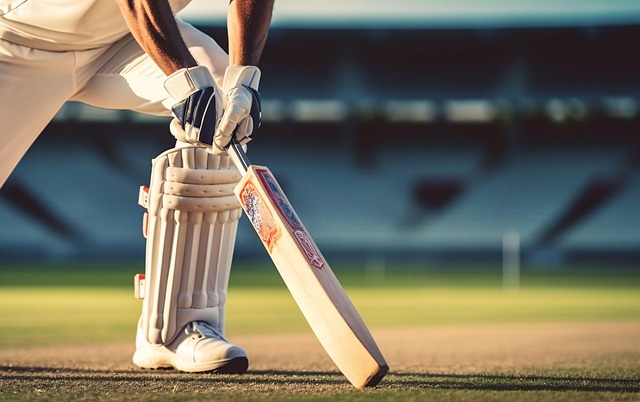
To achieve optimal performance in indoor cricket, athletes must be equipped with a comprehensive understanding of the specific equipment and its strategic use. The nature of indoor cricket demands unique adaptations from traditional outdoor formats, emphasizing skill, precision, and quick thinking. The playing surface, for instance, is typically smaller, necessitating agile footwork and sharp reflexes. Batters must navigate tightly matted pitches, while bowlers require creative variations to challenge batters in confined spaces.
Fielding positions and roles become more intricate with limited space. Catchers, for example, operate closer to the batter, demanding exceptional hand-eye coordination and quick reaction times. Fielders must be adept at positioning themselves efficiently, often within arm’s reach of each other, to prevent boundaries and secure catches. This compact nature of the game also influences strategic decisions like field settings, with teams needing to balance between covering the boundaries and closing in on the batting area.
International cricket tournaments have shown that successful indoor cricket teams prioritize equipment that enhances performance without compromising safety. High-quality bats, for instance, can significantly impact a batter’s confidence and ability to score runs efficiently. Gloves tailored to each player’s hand size and style of play improve grip and protection. Additionally, the right footwear with suitable traction is crucial for quick changes in direction during both batting and fielding. Cricket sponsorship deals and marketing strategies often highlight these specialized equipment, emphasizing how they contribute to athletes’ success on the indoor cricket field. To stay ahead of the curve, players are encouraged to consult experts and stay informed about industry developments, including new equipment innovations that can give them a competitive edge in local or international competitions. For tailored advice and guidance on cricket career paths, give us a call at cricket career paths.
Cricket enthusiasts now have a comprehensive guide to equip themselves for indoor cricket, ensuring both performance and safety. Understanding the specific requirements of an indoor environment is key; from choosing a bat tailored to controlled spaces to setting up a pitch that replicates outdoor conditions. Protective gear, an often-overlooked aspect, is paramount, emphasizing the importance of player safety during this intense sport. This article has highlighted essential accessories and strategies, offering valuable insights for players to optimize their indoor cricket experience. By following these key takeaways, athletes can confidently step onto any indoor cricket court, ready to compete and enjoy the game in a whole new dimension.
