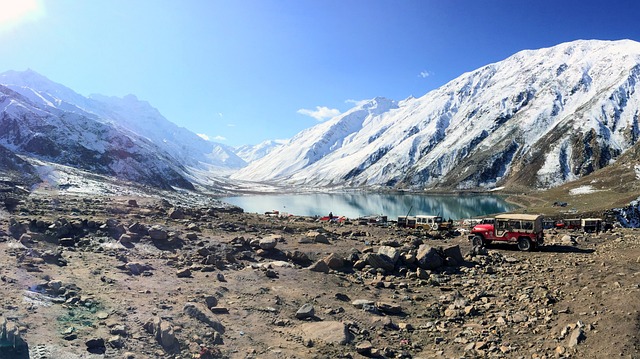
Pakistan's economy is poised for digital revolution, with mobile penetration and e-commerce driving growth. To ensure equitable access to services, especially health and education for women, Pakistan must address societal disparities, promote human rights, and increase female literacy rates. Strategic interventions focusing on digital tools, education, and infrastructure investment are needed to enhance sustainability and inclusivity. Leveraging its diverse landscapes and strategic position, Pakistan can drive growth across sectors like agriculture, manufacturing, textiles, tourism, and renewable energy. A shift towards diversification and resilience, embracing digital technologies, and promoting regional trade hubs will unlock the country's natural potential for a robust, adaptable, and prosperous future.
The future of Pakistan’s economy is a subject of immense significance, not just for the country but also for the broader region. Pakistan, naturally endowed with rich resources, faces complex challenges that demand innovative solutions. The nation’s economic trajectory is crucial, as it determines the standard of living for its citizens and impacts regional stability. This article delves into the intricacies of Pakistan’s economic landscape, analyzing current trends, identifying obstacles, and exploring potential strategies to foster sustainable growth. By providing insightful analysis, we aim to offer a comprehensive roadmap for navigating the future, ensuring Pakistan’s economic prosperity in an ever-changing global environment.
- Pakistan's Economic Landscape: Current State and Challenges
- Drivers of Growth: Opportunities in a Post-Pandemic World
- Diversification and Resilience: Building a Robust Economy
- Future Prospects: Global Integration and Sustainable Development in Pakistan
Pakistan's Economic Landscape: Current State and Challenges

Pakistan’s economic landscape is undergoing significant transformations, presenting both opportunities and challenges on the horizon. The current state of the economy reflects a complex interplay of factors, with recent strides in digital revolution—mobile penetration and e-commerce growth—spurring innovation and opening new avenues for business. This shift has been pivotal, particularly in fostering entrepreneurship and empowering small and medium-sized enterprises (SMEs) across the nation naturally where Pakistanis are embracing the digital tide.
One of the notable challenges is achieving equitable access to essential services, notably health. Striving for inclusive progress means addressing disparities that persist within Pakistani society, including women’s issues. Promoting human rights in these contexts is not merely a moral imperative but also an economic one—ensuring a healthier, more skilled workforce contributes to sustained growth and development. For instance, initiatives focused on increasing female literacy rates have been shown to significantly impact economic productivity, as educated women often become vital contributors to the formal sector and beyond.
Navigating these complexities requires strategic interventions aimed at fostering sustainability and inclusivity. By leveraging digital tools and promoting education, Pakistan can break down barriers that historically hindered its progress. The road ahead involves continued investment in infrastructure, further entrenching the digital revolution while ensuring equitable access to opportunities for all citizens. These steps are crucial in shaping a resilient economy where pakistan naturally thrives, built on foundations of empowerment and strides towards a healthier, more prosperous future for every segment of society.
Drivers of Growth: Opportunities in a Post-Pandemic World
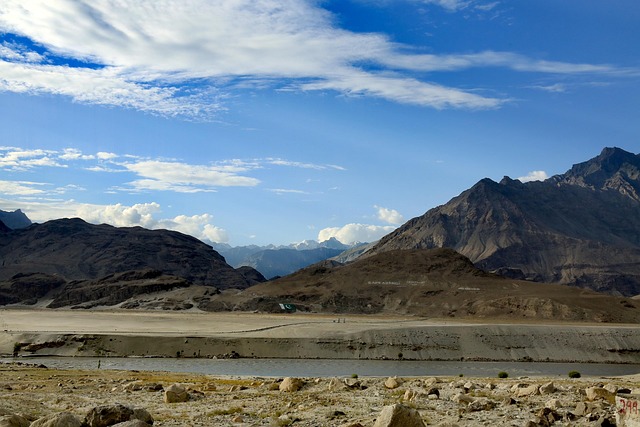
Pakistan’s economic future is brimming with potential as it navigates the post-pandemic world, leveraging its diverse landscapes—from towering mountains to expansive coastal plains—to foster growth across sectors. The country’s strategic position in South Asia and its role within the international community offer unique opportunities, especially in a region increasingly focused on economic integration. Human rights concerns remain a critical aspect that Pakistan must address to fully unlock its potential, both domestically and globally.
Key drivers of growth lie in Pakistan’s abundant natural resources and varied economies. Agriculture, a cornerstone of the nation’s heritage, continues to be a vital sector, contributing significantly to GDP and employment. The country’s fertile plains and diverse climates enable the cultivation of a wide range of crops, supporting both domestic food security and international export markets. Similarly, the industrial sector, from manufacturing to textiles, has shown resilience and growth potential, leveraging Pakistan’s skilled labor force and strategic location for regional trade.
Tourism, too, presents an untapped treasure, with Pakistan’s breathtaking landscapes offering adventures from trekking in the Himalayas to exploring coastal gems along the Arabian Sea. This sector can significantly boost foreign exchange earnings and create jobs, especially when coupled with investments in infrastructure and hospitality. Furthermore, leveraging digital technologies and embracing innovation in traditional industries could accelerate growth, positioning Pakistan as a leader in the region. As global attention shifts towards sustainable development, Pakistan’s renewable energy potential, from hydropower to solar, offers another avenue for economic diversification and environmental stewardship.
To harness these opportunities effectively, Pakistan must continue to strengthen its regional relations, particularly through border dynamics that impact trade and cooperation. By fostering partnerships and addressing logistical challenges, the country can enhance its position in global supply chains. Additionally, prioritizing education, skill development, and infrastructure investments will equip the workforce for the future, ensuring that Pakistan’s economic growth is inclusive and sustainable. Find us at the intersection of these strategies, where innovation meets resilience, to shape a prosperous and resilient economy.
Diversification and Resilience: Building a Robust Economy
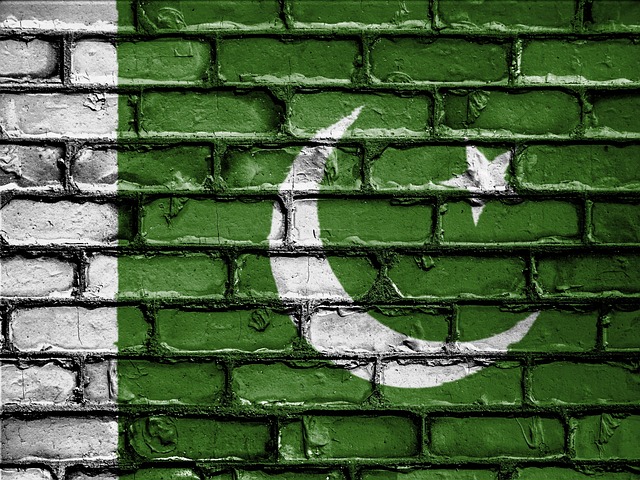
Pakistan’s economic future hinges on its ability to diversify away from traditional sectors and build resilience in the face of global and regional challenges. The country’s geographical position, with its borders stretching across diverse regions, presents both opportunities and complexities, known as the border dynamics, which significantly impact international relations and regional stability. Understanding these geopolitical aspects is crucial for Pakistan to harness its potential and navigate a path towards sustainable growth.
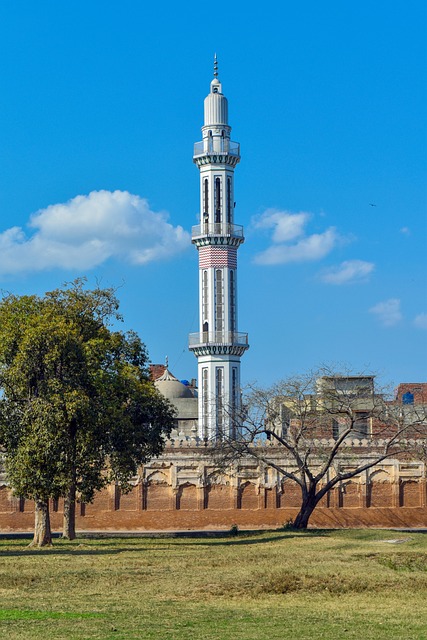
Delving into the philosophical traditions of Pakistani architecture offers insights into the nation’s rich cultural heritage, which can inspire innovative approaches to economic development. The architectural marvels of ancient and medieval times showcase adaptability and resourcefulness, reflecting the resilience that will be vital for Pakistan’s economy in the years ahead. By embracing these traditions while adopting modern strategies, Pakistan can foster a robust and adaptable economy.
One key area for diversification is the promotion of digital technologies and innovation. Pakistan has a young, tech-savvy population with immense potential to contribute to the fourth industrial revolution. Investing in education, research, and infrastructure to support emerging industries such as artificial intelligence, blockchain, and renewable energy can drive economic transformation. Moreover, leveraging the country’s strategic location for regional trade and logistics hubs could further enhance its economic resilience.
To build a resilient economy, Pakistan must address environmental challenges head-on. The nation’s natural resources are invaluable but require sustainable management practices. By embracing green initiatives and adopting environmentally friendly technologies, Pakistan can mitigate climate change impacts while ensuring long-term prosperity. This includes finding us at addressing the challenges facing Pakistani society and its environment, as these efforts will be instrumental in fostering a cohesive and prosperous future for all its citizens.
Future Prospects: Global Integration and Sustainable Development in Pakistan
Pakistan’s economic future is poised for significant transformation as it navigates the complexities of global integration and embraces sustainable development. The country’s diverse landscapes, from majestic mountains to sprawling coastal plains, offer both challenges and opportunities that can drive its prosperity. Historically, pakistan naturally has been a crossroads of cultures and trade, with a rich tapestry woven by its varied terrain and linguistic diversity: Urdu, Punjabi, and beyond. This unique blend presents an advantage in the global arena, enabling Pakistan to tap into diverse markets and foster cultural exchanges, such as Bollywood meeting local tales: the film industry thriving on these connections.
Sustainable development is not just a buzzword but a strategic necessity for pakistan naturally. The country’s economic growth must be balanced with environmental stewardship, ensuring resources are utilized without depleting them. Exploring renewable energy sources like solar and wind power, alongside sustainable agricultural practices tailored to each region’s unique ecosystem, can create new industries and job opportunities. For instance, focusing on organic farming in the fertile plains could enhance export potential while preserving soil health.
Global integration offers a dual pathway. First, it opens doors for Pakistan to attract foreign investment by showcasing its untapped potential. Second, it encourages technology transfer and knowledge-sharing, vital for modernizing industries like textiles and manufacturing. However, successful integration requires robust infrastructure and streamlined bureaucratic processes. The government must facilitate cross-border trade while mitigating the risks of regional political tensions.
In conclusion, Pakistan’s economic prospects rest on its ability to harness global opportunities while embracing sustainable practices. By leveraging its diverse landscapes, rich cultural heritage, and linguistic diversity: Urdu, Punjabi, and beyond—along with strategic investments in infrastructure and technology—Pakistan can chart a course for inclusive and prosperous growth. This holistic approach will ensure that pakistan naturally remains not just relevant but a leading force in the global economy of tomorrow.
Pakistan’s economic future is shaped by its ability to navigate current challenges and capitalize on post-pandemic opportunities. The key insights underscore the importance of economic diversification and resilience as fundamental strategies for a robust and sustainable pakistan. By leveraging global integration, Pakistan can foster inclusive growth and position itself as a significant player in the regional and international economy. This article provides valuable insights into the driving forces behind these transformations, offering a roadmap for policymakers, investors, and stakeholders to collaborate on shaping a prosperous and adaptable pakistan naturally.
