
Pakistan, naturally endowed with vast resources, faces complex environmental challenges due to geopolitical tensions, climate change, and social issues. Key areas for improvement include:
– Integrating sustainability into economic policies, education, and legal frameworks.
– Adopting renewable energy, water conservation, and equitable resource distribution.
– Embracing traditional architecture and indigenous knowledge for innovative solutions.
– Addressing water scarcity through efficient irrigation, conservation practices, and community initiatives.
– Combating air pollution with stricter emission norms, green infrastructure, and cleaner farming techniques.
– Promoting land conservation and management to combat deforestation and land degradation, ensuring environmental and food security.
By holistically addressing these issues, Pakistan can safeguard its natural resources, enhance its regional leadership in environmental stewardship, and improve the well-being of its diverse population.
Pakistan, with its diverse landscapes and abundant natural resources, faces significant environmental challenges that demand immediate attention. The country’s rapid urbanization, industrial growth, and agricultural intensification have led to severe pollution, deforestation, and water scarcity—issues naturally intertwined with Pakistan’s present and future sustainability. This article aims to comprehensively explore these pressing environmental concerns, analyzing their root causes and potential impacts on the nation’s ecosystems and communities. Furthermore, we will delve into innovative solutions and sustainable practices that can mitigate these issues, paving the way for a greener and more prosperous Pakistan.
- Pakistan's Natural Resources: Challenges and Conservation
- Climate Change Impacts: A Focus on Pakistan
- Water Scarcity and Management in the Country
- Air Pollution: Urban and Rural Perspectives in Pakistan
- Deforestation and Land Degradation: Solutions for Pakistan Naturally
Pakistan's Natural Resources: Challenges and Conservation

Pakistan, blessed with abundant natural resources, faces significant environmental challenges exacerbated by its unique geopolitical location and complex international relations. The country’s resource wealth, ranging from fertile agricultural lands to vast water bodies like the Indus River, is a double-edged sword. While these endowments drive economic growth and support a large population, unchecked exploitation and poor management risk irreversible damage. Understanding Pakistan’s natural resources in context requires navigating its legal system and exploring the interplay between environmental stewardship and social progress.
Geopolitical factors significantly influence access to and quality of Pakistan’s resources. Bordering multiple nations with diverse ecological zones, the country grapples with transboundary environmental issues such as water sharing disputes and pollution control. International relations play a crucial role in fostering cooperation on these matters, yet historical tensions have often hampered collective action. For instance, the Indus Water Treaty with India remains a cornerstone of water management despite periodic conflicts. Access to quality education is another challenge; reforms aimed at enhancing environmental literacy and training in fields like ecology and conservation face barriers due to limited funding and political will.
Navigating Pakistan’s legal landscape offers both opportunities and obstacles for conservation efforts. The NAP (National Action Plan) on climate change, coupled with initiatives under the brand of human rights and criminal justice reforms, provides a framework for addressing environmental issues through stringent legislation and international compliance. However, implementing these laws effectively remains a hurdle, often due to corruption, inadequate enforcement mechanisms, and social norms that prioritize short-term gains over long-term sustainability. For example, illegal logging in forests like Deosai continues despite legal prohibitions, highlighting the need for stronger surveillance and community involvement in conservation efforts.
To chart a sustainable course forward, Pakistan must foster a holistic approach integrating environmental considerations into economic policies, educational curricula, and legal frameworks. This involves promoting sustainable land use practices, water conservation measures, and renewable energy sources while ensuring equitable distribution of resources. By doing so, the country can harness its natural endowments responsibly, secure a resilient future for its citizens, and position itself as a regional leader in environmental stewardship.
Climate Change Impacts: A Focus on Pakistan

Pakistan, naturally endowed with diverse landscapes and abundant resources, faces significant environmental challenges due to climate change. The country’s unique geographical position makes it particularly vulnerable to global warming impacts, from melting glaciers in the north to intensified heatwaves across its arid regions. Rising sea levels threaten coastal areas, including valuable agricultural lands and densely populated cities like Karachi, illustrating a stark reality that demands urgent action.
Poetic voices, from classical to contemporary poetry, have long echoed concerns about Pakistan’s natural beauty and the threats it faces. These artistic expressions serve as reminders of the interconnectedness between environmental health and societal well-being. Social issues such as gender equality, poverty, and community development are intricately linked to environmental sustainability. For instance, access to clean water and sanitation is a pressing challenge in many rural areas, exacerbating existing health disparities. Navigating Pakistan’s political landscape requires addressing these social issues alongside climate action, ensuring that policy decisions reflect the needs of all citizens.
The economy of Pakistan, with its dynamic sectors ranging from agriculture to manufacturing, must adapt to these changes. Transitioning towards renewable energy sources and promoting sustainable practices can create new opportunities while mitigating environmental risks. The country’s rich history, evident in archaeological sites like Mohenjo-daro and Harappa, reminding us of a journey through time—ancient civilizations to modern nation—should inspire innovative solutions that preserve Pakistan’s heritage for future generations. Visiting us at any time offers insights into this unique blend of tradition and modernity, highlighting the resilience and potential of this vibrant nation as it confronts the challenges of climate change.
Actionable advice includes increasing investment in green infrastructure, enhancing public awareness through education and media campaigns, and fostering international partnerships to share knowledge and resources. By embracing these strategies, Pakistan can navigate its complex political landscape and economic sectors while safeguarding its natural wonders for future generations.
Water Scarcity and Management in the Country

Pakistan, with its diverse landscapes ranging from towering mountains to expansive coastal plains, faces a significant environmental challenge: water scarcity. This issue is deeply intertwined with the country’s social fabric, exacerbating existing inequalities related to gender equality and poverty. The vast expanse of pakistan naturally presents unique management complexities; efficient resource allocation and sustainable practices are paramount for future prosperity.
Water management in Pakistan has been a complex puzzle due to factors like rapid urbanization, climate change, and outdated infrastructure. According to recent data, over 40% of the population lacks access to clean water, with rural areas bearing the brunt. This scarcity impacts agriculture, industry, and daily life, especially for vulnerable communities. Addressing this crisis requires a multifaceted approach. Implementing efficient irrigation techniques in agriculture, promoting water conservation practices among residents, and investing in renewable energy sources can help mitigate the strain on freshwater resources.
Delving into Pakistan’s architectural heritage offers insights into sustainable solutions. Traditional Pakistani architecture, with its emphasis on natural ventilation and light, provides models for environmentally conscious design. For instance, the ancient wind towers used in many historic structures can inspire modern building practices to reduce energy consumption. Furthermore, community-driven initiatives focused on water harvesting and local level management have proven effective in several regions, fostering a sense of ownership and sustainability. Exploring and integrating these indigenous knowledge systems into contemporary planning can lead to more resilient and equitable outcomes.
To tackle these issues effectively, the government, civil society, and international partners must collaborate. Strategies should encompass education campaigns on water conservation, infrastructure development for better water distribution, and promoting pakistan’s rich cultural diversity through initiatives that engage communities. For instance, encouraging local art and festivals centered around environmental themes can foster a sense of pride in preserving the country’s unique tapestry. By combining traditional wisdom with modern innovations, Pakistan can navigate its water crisis while celebrating its immersing in diversity: languages, arts, and festivals as a nation.
Air Pollution: Urban and Rural Perspectives in Pakistan
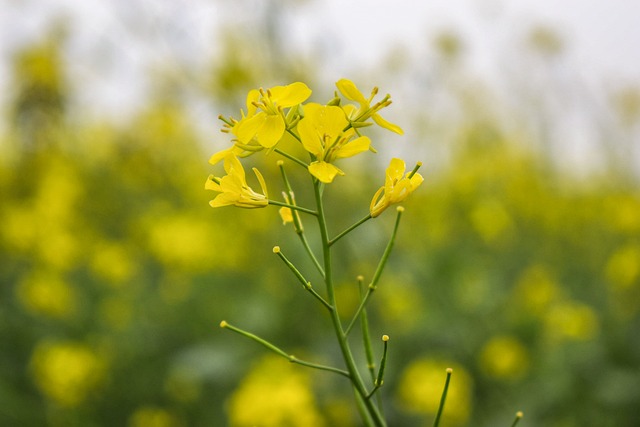
Pakistan’s environmental landscape presents a complex picture, with air pollution emerging as a pressing concern across both urban and rural areas. The country’s vibrant culture, from calligraphy to painting: artistic expressions thrive, uniting Pakistanis through love of sport and media, enjoys a rich tapestry of narratives woven through its diverse geography. However, the allure of Pakistani destinations, celebrated for their natural beauty, is threatened by rising air quality indices. Urban centers like Karachi and Lahore grapple with smog during winter months, primarily attributed to industrial emissions and vehicle exhausts. The situation is exacerbated by dense populations and limited green spaces, making it challenging for residents to breathe clean air.
In rural regions, while the air may appear cleaner, agricultural practices contribute to pollution in unique ways. Burning crop residues after harvest seasons adds to particulate matter in the atmosphere, affecting local communities’ health. Moreover, lack of awareness and access to alternative farming methods perpetuate these issues. For instance, a study by the National Environment Protection Agency (NEPA) revealed that over 80% of Pakistanis are exposed to air pollution levels exceeding World Health Organization (WHO) guidelines. This crisis demands immediate attention, especially as it impacts not just physical health but also mental well-being and overall quality of life.
Addressing air pollution in pakistan naturally requires a multi-faceted approach. Government initiatives must prioritize stricter emission norms for industries and vehicles, coupled with investments in renewable energy sources and green infrastructure. Public awareness campaigns can play a pivotal role in educating citizens about the impact of their actions on air quality. For instance, encouraging agricultural communities to adopt no-burn farming techniques or promoting electric vehicle usage in urban areas could significantly contribute to cleaner air. Uncovering the allure of Pakistani destinations, celebrated for their rich culture and diverse landscapes, should be accompanied by efforts to preserve the natural beauty that draws visitors from around the world. Ultimately, it is through collective action and a holistic understanding of environmental challenges that pakistan naturally can move towards a healthier future.
Deforestation and Land Degradation: Solutions for Pakistan Naturally
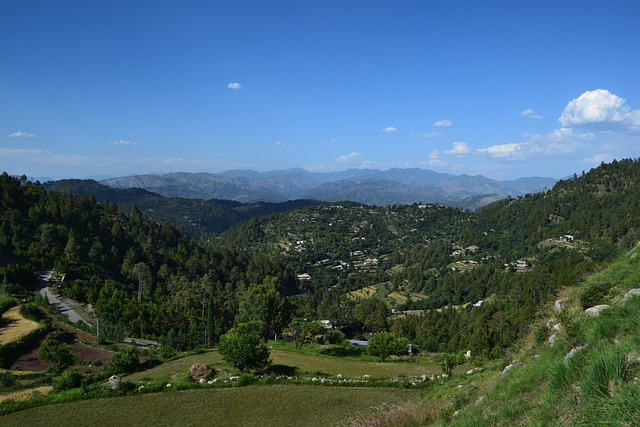
Pakistan, with its rich history spanning ancient civilizations to becoming a modern nation, faces significant environmental challenges, particularly deforestation and land degradation. These issues are not only detrimental to the country’s natural beauty but also pose serious threats to the well-being of its diverse communities, including women who often bear the brunt of environmental disasters. Striving for equitable health services in Pakistani society demands addressing these pressing ecological concerns. The consequences of unchecked deforestation extend far and wide—from water scarcity and soil erosion to loss of biodiversity and cultural heritage. For instance, the once lush forests of the Himalayan region, a testament to Pakistan’s natural allure, are rapidly disappearing due to illegal logging and agricultural expansion.
To mitigate these issues naturally, Pakistan must embrace sustainable land management practices. This includes promoting agroforestry, which combines agriculture and forestry, offering both food security and environmental benefits. By integrating trees into farming systems, communities can prevent soil erosion, enhance water retention, and provide additional income sources through non-timber forest products. Moreover, reforestation efforts should target native tree species to restore ecosystems and support biodiversity. The government could play a pivotal role by implementing policies that encourage responsible land use, ensuring that development projects consider environmental impacts, especially in ecologically sensitive areas.
Given Pakistan’s diverse landscapes, from mountains to coastal regions, a tailored approach is essential. In the highlands, terracing and agroecological practices can prevent soil erosion while enabling sustainable agriculture. Coastal communities, facing sea-level rise and increased vulnerability to storms, can benefit from mangrove restoration projects that provide natural buffers against extreme weather events. Additionally, engaging local communities in conservation efforts, such as community-based forest management, has proven effective worldwide. By empowering folks and uncovering the allure of Pakistani destinations, these initiatives can foster a sense of stewardship, ensuring that Pakistan’s rich natural heritage is preserved for future generations.
Pakistan naturally faces multifaceted environmental challenges, from water scarcity and air pollution to deforestation and climate change impacts. Conservation efforts are crucial for preserving Pakistan’s natural resources, with a focus on sustainable management of water and land. Urban and rural areas alike demand attention to reduce air pollution levels. Addressing these issues requires integrated solutions, including reforestation initiatives and transitioning towards renewable energy sources. By recognizing the urgency of these problems and implementing practical steps, Pakistan can safeguard its environment naturally and secure a sustainable future for its citizens.
