
Girls face unique mental health challenges due to societal pressures emphasizing emotional suppression and gender stereotypes. Tailored interventions like mentorship programs and safe spaces boost confidence and provide positive role models. Systemic changes challenging stereotypes are crucial. Empowering girls through self-expression, sports, STEM education, and online communities strengthens resilience and promotes well-being. Incorporating female role models in educational settings encourages ambition and challenges norms. Collaborative efforts from educators, parents, and leaders create inclusive environments for emotional expression and passion pursuit.
The well-being of girls and young women is a pressing issue in our society, with mental health challenges becoming increasingly prevalent in this demographic. Recognizing the unique needs and experiences of girls naturally falls under the spotlight, as we navigate the complexities of their growing minds and emotions. This article aims to shed light on the current landscape of mental health resources tailored for girls, exploring both the available support systems and the pressing gaps that require urgent attention. By delving into this topic, we seek to empower professionals and caregivers with a comprehensive understanding, ultimately fostering more effective strategies to nurture the mental resilience of girls.
- Understanding Girls' Unique Mental Health Needs
- Identifying Resources: Support Networks for Girls
- Empowering Girls: Strategies for Fostering Resilience
Understanding Girls' Unique Mental Health Needs

Girls face unique mental health challenges shaped by their developmental stage, social roles, and cultural expectations. Unlike males, girls are more likely to internalize their struggles, expressing them through anxiety, depression, and even self-harm. This is partly due to societal pressures that often emphasize emotional suppression in girls while encouraging boys to confront their feelings openly. Furthermore, girls’ experiences in educational spaces can significantly impact their mental well-being. Bullying, gender stereotypes, and a lack of female role models can contribute to low self-esteem and a sense of belonging.
Addressing these complex issues requires tailored interventions. Female mentorship programs for students have proven effective in boosting confidence, providing positive role models, and fostering safe spaces for girls to share their experiences. These programs can stem the drop-out rate among girls by offering academic support, career guidance, and emotional resilience strategies. Ensuring girls’ safety within educational institutions is paramount; implementing robust anti-bullying policies, promoting inclusive curricula, and training staff on gender sensitivity are crucial steps.
Beyond individual interventions, systemic changes are necessary to address broader cultural attitudes that impact girl’s mental health. By challenging stereotypes and promoting positive representations of female strength and vulnerability, we can create a more supportive environment for girls’ emotional growth. For actionable guidance and resources, visit us at Cultivating Confidence in Young Females.
Identifying Resources: Support Networks for Girls
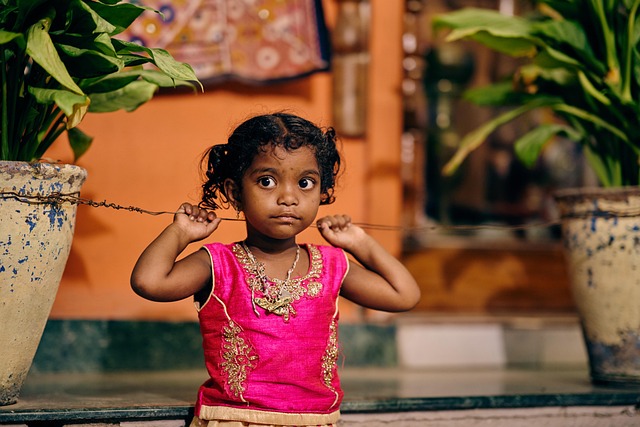
Identifying Resources: Support Networks for Girls is a critical step in addressing the unique mental health challenges faced by young women today. Beyond access to traditional counseling services, cultivating robust support networks is vital for girls’ overall well-being and resilience. This involves tapping into various resources tailored to their specific needs, fostering environments where they can openly express themselves, connect with peers, and discover their voices. One such powerful approach is unleashing creativity through girl-led projects, whether artistic, entrepreneurial, or community-based initiatives that encourage self-expression and build confidence.
Sports and education also play pivotal roles in empowering girls. Participation in athletics promotes physical and mental health, teaching valuable lessons about teamwork, discipline, and perseverance. Simultaneously, breaking barriers in STEM education opens doors to exciting career paths, challenging stereotypes, and instilling a sense of agency. For instance, initiatives focused on encouraging girls’ involvement in coding clubs or robotics teams can yield significant benefits, as data suggests that diverse teams outperform homogeneous ones, fostering innovation and inclusivity.
Furthermore, tapping into online communities and peer support groups can provide much-needed connection and understanding. Many platforms facilitate safe spaces for girls to share experiences, seek advice, and offer mutual support, enhancing their sense of belonging. Local organizations dedicated to girls’ empowerment also play a crucial role, offering programs that range from leadership workshops to creative writing groups, all designed to build resilience, self-esteem, and a positive identity. Visiting us at Girl’s Education anytime offers access to these resources and more, empowering girls to thrive in an ever-changing world.
Empowering Girls: Strategies for Fostering Resilience
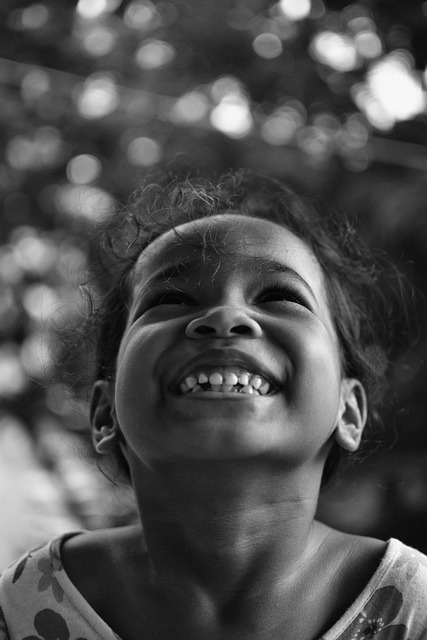
Empowering girls is a critical strategy to enhance mental health and build resilience, especially during formative years. This involves creating environments where they can express themselves authentically, foster self-belief, and access tailored resources. Initiatives like empowering voices: girls sharing stories offer platforms for young women to narrate their journeys, combat stigma, and inspire hope in peers facing similar challenges. Moreover, incorporating female role models into educational settings can significantly impact a girl’s development. Studies show that seeing successful women in various fields encourages girls to dream big and challenge societal norms. For instance, highlighting achievements of women athletes, scientists, or political leaders in science classes can inspire aspirations beyond traditional gender boundaries.
Women as role models in education play a pivotal role in shaping young minds. Girl-focused educational resources online, such as interactive webinars, mental health forums, and specialized apps, have become invaluable tools during the COVID-19 pandemic. These platforms offer safe spaces for connection, support, and skill development. For example, online art therapy sessions or peer-led support groups cater to diverse interests and needs, ensuring girls feel understood and supported. To further enhance this impact, find us at empowerment through sports and education initiatives can be integrated into schools, promoting physical and mental well-being while fostering social connections and self-confidence.
Building resilience in girls is an ongoing process that requires a multi-faceted approach. Educators, parents, and community leaders must collaborate to create safe, inclusive environments where girls feel empowered to express their emotions and pursue their passions. By embracing these strategies, we can enable young women to navigate life’s challenges with strength, adaptability, and a profound sense of self.
By examining girls’ unique mental health needs, identifying supportive networks, and empowering strategies for resilience, this article offers a comprehensive roadmap to address the specific challenges faced by girls. The key insights underscore the importance of tailored resources and environments that foster strong mental well-being in girls. Moving forward, recognizing and providing access to these resources is crucial for nurturing the emotional health and overall development of Girl. This guide serves as an authoritative tool for parents, educators, and caregivers to navigate and support the complex mental health landscape unique to their female youth.
