
South Africa's natural landscape and biodiversity face significant threats from climate change and water scarcity, exacerbated by historical droughts and environmental degradation. Key strategies to address these challenges include:
– Balancing economic development with environmental preservation using the country's unique geological history as a guide.
– Implementing education, renewable energy, waste management, and conservation practices.
– Leveraging technology for water purification, desalination, and sustainable irrigation.
– Empowering women in environmental fields and promoting sustainable tourism.
– Strengthening anti-poaching efforts, increasing community involvement, and investing in youth education and employment opportunities to combat biodiversity loss.
– Mitigating pollution from mining activities and addressing environmental injustices through stricter regulations, cleaner technologies, and public awareness campaigns.
South Africa, with its diverse ecosystems and unique biodiversity, faces significant environmental challenges that demand urgent attention. The country’s rapid industrialization, urbanization, and changing land use patterns have led to severe degradation of natural resources, habitat loss, and climate change impacts. Water scarcity, air pollution, and the destruction of critical ecosystems like forests and coastal areas pose substantial threats to both the nation’s people and its rich natural heritage. Addressing these issues is crucial for ensuring South Africa’s long-term sustainability and the well-being of its citizens, requiring comprehensive strategies that balance economic development with environmental stewardship.
- Climate Change: South Africa's Natural Vulnerabilities
- Water Scarcity: A Growing Concern in South Africa
- Biodiversity Loss: Protecting South Africa's Unique Ecosystems
- Pollution Control: Challenges and Strategies for South Africa
Climate Change: South Africa's Natural Vulnerabilities
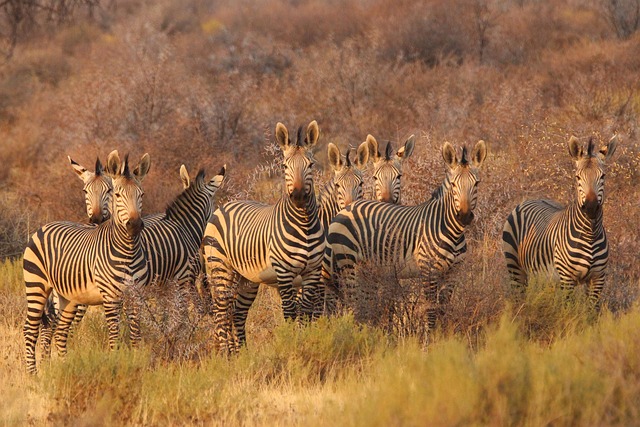
South Africa’s landscape, ranging from majestic mountains to vast plains, is a testament to its natural beauty and biodiversity. However, climate change poses significant challenges to this delicate ecosystem. The country’s diverse wildlife, including lions, leopards, rhinos, elephants, and buffalos that thrive in national parks, is increasingly threatened by shifting weather patterns and rising temperatures. These changes disrupt the natural habitats and food chains, forcing many species to adapt or face potential decline. For instance, prolonged droughts impact water sources crucial for survival, while intensified rainfall can lead to soil erosion and habitat destruction.
South Africa’s geological history, from ancient rock formations to mineral-rich deposits, offers insights into the planet’s past but also presents challenges in balancing economic development with environmental preservation. The country’s education system plays a vital role in equipping future generations with knowledge about these issues. Teaching about the planet’s history and archaeology can foster an appreciation for nature and inspire solutions. Innovations in renewable energy, waste management, and conservation practices are essential to overcoming historical disparities and fostering sustainable and inclusive prosperity.
The nation’s national parks, acting as tourism attractions that draw visitors from around the world, are not only economic engines but also critical conservation areas. By prioritizing sustainable tourism practices, South Africa can ensure these natural treasures remain intact for future generations. Furthermore, empowering women in society through education and career opportunities in environmental fields can contribute significantly to conservation efforts. For example, women’s leadership in renewable energy projects and waste management initiatives has been shown to drive more effective and inclusive strategies.
In summary, addressing climate change and its impacts on South Africa’s natural vulnerabilities requires a multifaceted approach. By leveraging the country’s rich history, education, and innovative technologies, along with promoting sustainable tourism and gender equality, South Africans can safeguard their unique ecosystems while ensuring a prosperous future for all.
Water Scarcity: A Growing Concern in South Africa

South Africa, known for its stunning natural landscapes from wine regions to coastal towns, is facing a growing environmental challenge: water scarcity. This issue has emerged as a critical factor impacting not only the country’s ecological systems but also its economic development and social fabric. The delicate balance between agriculture, industry, and domestic use demands innovative solutions to ensure sustainable water management. Historically, South Africa has experienced periodic droughts, but climate change is exacerbating these trends, leading to reduced water availability and quality. This crisis necessitates a multifaceted approach that involves conservation efforts, efficient utilization, and the exploration of alternative sources.
Addressing water scarcity in South Africa requires a deep understanding of its unique context. The nation’s diverse geography presents both opportunities and challenges. For instance, while rivers like the Orange River serve as vital arteries for irrigation, they face increasing strain from overuse and pollution. Coastal areas, rich in biodiversity, are threatened by rising sea levels and acidification, impacting marine ecosystems that support a Taste of Africa: Uncovering South African Culinary Traditions. In response, various initiatives are emerging across the country. Government bodies, in collaboration with startups and tech hubs, are driving innovations in water purification and desalination technologies. These efforts aim to enhance access to clean water while promoting sustainable practices among communities.
Practical insights from experts suggest that community engagement is pivotal in mitigating water scarcity. Educating citizens on responsible water usage, implementing efficient irrigation techniques in agriculture, and encouraging the adoption of water-saving appliances can collectively make a significant difference. Additionally, investing in renewable energy sources for water treatment can reduce the carbon footprint associated with traditional methods. As South Africa navigates these challenges, it also has an opportunity to showcase its resilience and leadership in environmental stewardship, especially through the lens of Addressing Poverty: Strategies for Social Development in South Africa. By integrating sustainable water management into development plans, the country can foster economic growth while ensuring a brighter future for its citizens and the natural wonders that define its landscape.
Biodiversity Loss: Protecting South Africa's Unique Ecosystems
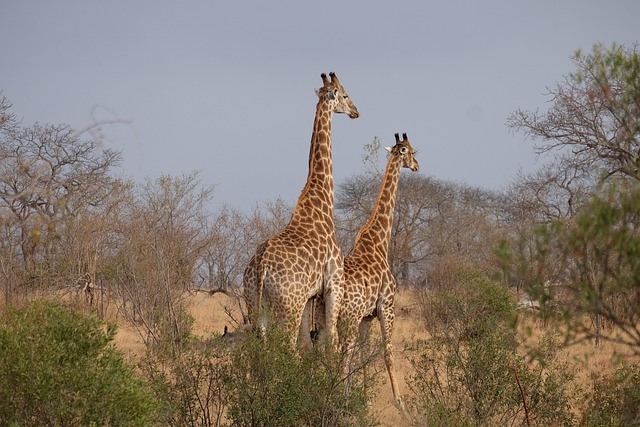
South Africa’s rich biodiversity is a national treasure, showcasing a wide array of ecosystems from lush forests to arid deserts, each teeming with unique wildlife. However, this natural wealth faces significant challenges that require urgent attention. Biodiversity loss, driven by habitat destruction and poaching, threatens iconic species such as lions, leopards, rhinos, elephants, and buffalos, whose survival is inextricably linked to the country’s national parks and tourism attractions. Overcoming historical disparities for sustainable and inclusive prosperity necessitates a holistic approach that balances environmental conservation with economic growth.
The scale of the challenge is evident in recent data indicating alarming declines in species populations. This underscores the urgency for innovative design and smart infrastructure tailored to livable and resilient metropolitan areas, while ensuring rural development supports biodiversity conservation. South Africa’s national parks serve as critical habitats for these animals; therefore, protecting these areas through stringent conservation measures is paramount. The education system plays a crucial role by fostering environmental stewardship among younger generations, empowering them to become guardians of their natural heritage.
Addressing biodiversity loss requires a multi-faceted strategy. Strengthening anti-poaching efforts and increasing community involvement in conservation initiatives can make a significant difference. Additionally, promoting sustainable tourism practices can generate economic benefits while preserving the environment. Investing in youth through education and employment opportunities, as showcased by initiatives like “Investing in Youth: Education and Employment Opportunities,” is key to building a future where South Africa’s biodiversity thrives for generations to come. Collaboration between government, civil society, and the private sector is essential to achieve these goals and ensure South Africa’s unique ecosystems remain intact.
Pollution Control: Challenges and Strategies for South Africa
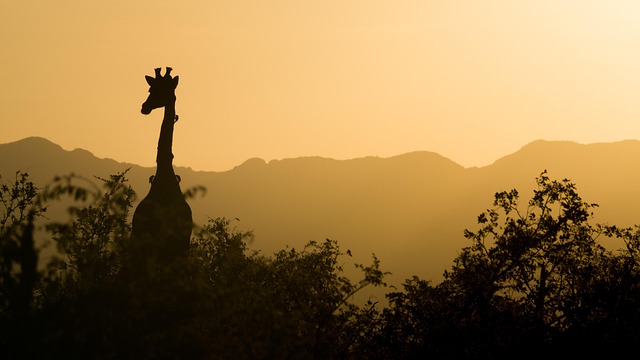
South Africa faces significant environmental challenges, many of which are intricately linked to its historical context and industrial landscape. Preserving the Past: UNESCO World Heritage Sites in South Africa, such as Table Mountain National Park and the Cradle of Humankind, underscore the nation’s commitment to safeguarding its natural and cultural treasures. However, the country grapples with severe pollution issues stemming from its rich mineral resources—gold, platinum, diamonds, and coal—that have shaped its industrial landscape. The extraction and processing of these commodities have led to water pollution, soil contamination, and air quality degradation, particularly in regions like the North West Province, known for its mining activities.
Addressing disparities in rural and urban communities is another critical aspect of South Africa’s environmental challenges. Social issues, including poverty and inequality, often manifest as environmental injustices, with rural areas bearing the brunt of pollution from industrial and agricultural activities. Bridging the Gap: Rural-Urban Dynamics in South Africa highlights these disparities, where access to clean water, sanitation, and green spaces is unequal between urban centers and countryside communities. Public and private initiatives are necessary to foster wildlife conservation and promote sustainable land use practices across diverse ecosystems, from the vast savannas to the delicate coastal regions.
Despite these challenges, South Africa has implemented strategic plans to mitigate pollution control issues. These strategies involve stricter environmental regulations, investments in cleaner technologies, and public awareness campaigns. The Department of Environmental Affairs plays a pivotal role in enforcing policies that limit industrial emissions and protect water sources. Furthermore, private sector partnerships and community-driven initiatives are instrumental in fostering sustainable practices. For instance, many mining companies have adopted eco-friendly extraction methods and rehabilitated degraded landscapes post-mining operations.
In terms of actionable advice, South Africa should continue to prioritize education and collaboration among stakeholders, including government bodies, industry leaders, and civil society organizations. Encouraging green technologies and circular economy models can significantly reduce pollution levels. Additionally, integrating traditional knowledge with modern conservation practices can foster more inclusive and effective environmental stewardship. By learning from its past and embracing sustainable solutions, South Africa can preserve its natural heritage for future generations while addressing current environmental concerns.
South Africa naturally faces multifaceted environmental challenges demanding immediate attention. From climate change, which exacerbates existing vulnerabilities such as water scarcity and biodiversity loss, to pollution control, where effective strategies are crucial for a sustainable future. The country’s rich natural tapestry requires proactive navigation through these complex issues. Key insights include the urgency of transitioning to renewable energy sources to mitigate climate impacts, the necessity of innovative water management solutions to address scarcity, and the critical role of conservation efforts in preserving South Africa’s unique ecosystems. Furthermore, implementing stringent pollution control measures, coupled with public awareness, can significantly enhance environmental stewardship. By prioritizing these areas and adopting evidence-based strategies, South Africa can ensure a resilient future, balancing economic development with ecological preservation.