Maintaining safe kitchen temperatures is vital for food safety, preventing bacterial growth and foodborne illnesses. Optimal ranges are 40°F (4°C) for perishable items, 140°F (60°C) for hot foods, -18°C for freezing, and 100°C for boiling water. Regular monitoring with digital thermometers ensures safety. Following guidelines, using proper equipment, and adopting a holistic approach prevent contamination and promote food quality.
Foodborne illnesses pose a significant health risk, with proper kitchen temperature control being a cornerstone of prevention. Maintaining safe temperatures, especially during food preparation and storage, is paramount to safeguarding public health and ensuring the quality of our meals. This article delves into the science behind optimal kitchen temperatures and offers practical strategies for chefs, home cooks, and food service professionals to minimize the risk of contamination. By understanding temperature’s role as a critical control point, we can navigate the culinary landscape with confidence, knowing our kitchens are safe havens for delicious and wholesome cuisine.
- Understanding Safe Kitchen Temperatures
- Measuring Temperature Accurately
- Maintaining Coolness in Refrigerators
- Heating Food Properly
- Time Limits for Food Safety
- Safely Storing Leftovers
Understanding Safe Kitchen Temperatures

Maintaining safe kitchen temperatures is a cornerstone of food safety, preventing the growth of harmful bacteria like Salmonella, E. coli, and Listeria. Understanding optimal temperature ranges for different stages of food preparation is key to safeguarding your health and that of your loved ones. The ideal temperature in your kitchen should be a consistent 40°F (4°C) or below for perishable items, especially in areas where raw meat, poultry, seafood, and eggs are handled. This temperature range slows the enzymatic activity that can cause spoilage and foodborne illnesses.
Temperature plays a critical role not just in inhibiting bacterial growth but also in preserving the quality of your food. For instance, keeping hot foods at 140°F (60°C) or above deactivates enzymes responsible for spoilage, ensuring they remain fresh longer. Conversely, freezing and boiling points signify temperature extremes that alter the structure and composition of proteins, carbohydrates, and fats in food. Freezing at 0°F (-18°C) stops enzymatic activity and microbial growth, making it ideal for long-term storage. Boiling water at 212°F (100°C) kills bacteria and breaks down the structural bonds in food, altering its texture and flavor.
The carbon dioxide produced by your refrigerator is part of a complex system that helps regulate internal temperature. Proper ventilation ensures optimal cooling, while regular defrosting prevents ice buildup that can insulate food and raise temperatures. Give us a call at [thermal efficiency calculations] to learn how you can optimize these processes for maximum kitchen safety and energy efficiency. Regular monitoring of temperature gauges in your fridge and freezer is essential. Using digital thermometers to check the internal temperature of foods before serving ensures they’re safe to eat, preventing foodborne illnesses that can have serious health consequences.
Measuring Temperature Accurately
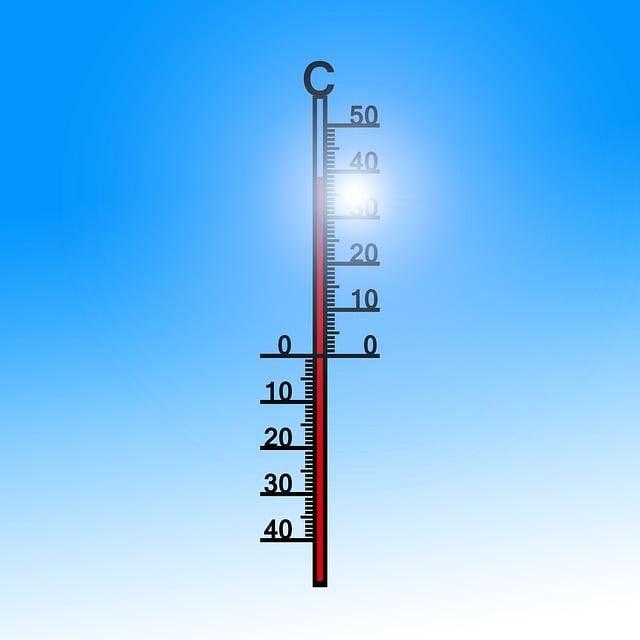
Maintaining safe kitchen temperatures is paramount to prevent foodborne illnesses. Accurate temperature measurement is a critical component of this effort. Devices like thermometers and digital probes are essential tools for ensuring that your kitchen stays within the ideal temperature ranges for different foods. Understanding the principles behind temperature measurement, such as heat capacity difference and metal properties, can enhance accuracy. For instance, metals have high heat capacities and conduct heat efficiently, making them suitable for precise temperature readings in diverse culinary applications.
One key aspect to consider is the role of carbon dioxide (CO₂) in temperature regulation. In refrigeration systems, CO₂ circulates to absorb heat from the refrigerated space, maintaining a consistent low temperature that inhibits bacterial growth. Proper maintenance and calibration of temperature equipment are crucial. Regular checks for any signs of wear or damage ensure accurate readings. For instance, a malfunctioning thermometer could provide false readings, leading to food safety risks.
When cooking, different foods require distinct temperature ranges. Meat, for example, should be cooked to specific internal temperatures to kill harmful pathogens. Visiting us at fever symptoms anytime can offer valuable insights into managing these critical stages. Following recommended guidelines and leveraging technology for precise temperature control not only safeguards your health but also enhances the overall culinary experience by ensuring food is both delicious and safe to consume. Implement these practices consistently to maintain a hygienic kitchen environment.
Maintaining Coolness in Refrigerators

Maintaining a cool kitchen environment, especially within refrigerators, is paramount to food safety and hygiene. Refrigerators play a critical role in slowing bacterial growth, preserving freshness, and preventing foodborne illnesses. To achieve this, it’s essential to understand and regulate temperature naturally. The ideal refrigerator temperature sits between 37°F (3°C) and 40°F (4°C), a range that challenges even the most sophisticated atmospheric temperature weather forecasting models. This narrow margin is where biochemistry principles of thermal expansion come into play, ensuring optimal conditions for food preservation.
Regularly checking digital readouts on thermostats is a practical insight for maintaining this delicate balance. Many modern refrigerators offer precise digital controls, allowing adjustments as fine as 1°F (0.5°C). These features enable users to set temperatures tailored to specific food storage needs—for instance, slightly lower settings for freezer compartments to prevent ice crystal formation and potential moisture loss that can compromise food quality.
However, maintaining coolness extends beyond the refrigerator itself. It involves a holistic approach that considers kitchen layout and practices. For example, placing raw meats away from ready-to-eat foods based on the understanding that bacteria can spread through cross-contamination helps prevent thermal expansion of pathogens in less controlled environments. Regular cleaning and sanitizing routines are also essential to ensure the integrity of cold storage spaces, preventing environmental factors from compromising temperature naturally maintained within refrigerators.
In light of these insights, it’s clear that a well-regulated, cool kitchen is not just about convenience; it’s about safeguarding health. If you require expert guidance tailored to your specific needs, give us a call at [Scale]. Our team is equipped with the knowledge to help you maintain safe kitchen temperatures, ensuring food remains fresh and free from potential illnesses.
Heating Food Properly

Maintaining safe kitchen temperatures is a cornerstone of food safety, preventing foodborne illnesses that can affect millions annually. Heating food properly is paramount; it kills harmful bacteria and ensures your meals are secure. The optimal temperature for cooking varies based on the type of food, but generally, hot enough to ensure internal temperatures reach 165°F (74°C) or above is crucial. Digital readouts can provide precise control, allowing you to monitor temperatures with one-to-three readings per minute, ensuring accuracy and peace of mind.
Relative humidity also plays a significant role in food safety standards. High humidity levels can affect cooking times and, combined with improper temperature control, create an ideal environment for bacteria growth. For example, undercooked meats or vegetables stored at incorrect temperatures in humid environments are at higher risk of contamination. Maintaining a balanced humidity level while heating ensures food is cooked evenly and safely.
Expert advice emphasizes the importance of consistent monitoring. Use tools like meat thermometers to check internal temperatures during cooking, especially for proteins. After cooking, store hot foods promptly in insulated containers to maintain temperature naturally, preventing bacterial growth. Remember, proper heating techniques are a key defense against foodborne illnesses. For more detailed guidance and innovative kitchen solutions tailored to your needs, visit us at scale anytime.
Time Limits for Food Safety

Maintaining safe kitchen temperatures is paramount to preventing foodborne illnesses, with time limits for optimal food safety ranging from 2 hours at 40°F (4°C) to just 1 hour at 90°F (32°C). Exceeding these thresholds facilitates the growth of harmful bacteria like Salmonella and E. coli, which can cause a range of health issues. Heat transport effects play a crucial role here; warm air facilitates the movement of microorganisms from contaminated surfaces or undercooked foods to edible items, posing potential risks. For instance, leaving perishable food at room temperature for extended periods significantly increases the chances of bacterial proliferation.
Understanding these temperature-related dynamics is further complicated by factors such as sea level rise implications and energy conservation efforts. As global temperatures fluctuate due to climate change, so too do optimal kitchen temperatures; maintaining consistent cold chains becomes increasingly vital to preserving food safety. Additionally, in regions facing rising sea levels, saltwater intrusion can contaminate freshwater sources used for food preparation, exacerbating the need for robust temperature control measures. Energy conservation remains a key consideration, as refrigerators and freezers rely on efficient heat transport systems to maintain suitable temperatures, with human body temperature regulation (maintaining 98.6°F/37°C internally) also impacting overall thermal dynamics within the kitchen environment.
To ensure food safety, practice consistent monitoring of kitchen temperatures using reliable thermometers. Keep refrigerators set at 40°F (4°C) or below and freezers at 0°F (-18°C) or above. Cook foods thoroughly to kill any potential pathogens. Implement proper food storage practices, such as separating raw meats from produce and ensuring ready-to-eat items aren’t contaminated by raw ingredients. Visit us at global cooling scenarios anytime for more detailed insights into maintaining safe kitchen temperatures and preventing foodborne illnesses—a critical aspect of modern food safety management that requires continuous vigilance and adaptation to evolving environmental conditions.
Safely Storing Leftovers
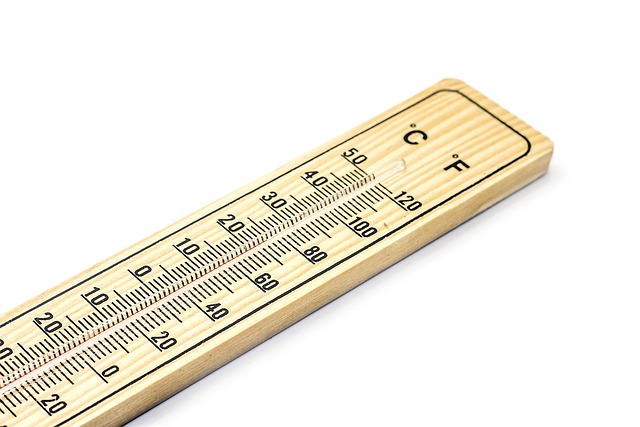
Maintaining safe kitchen temperatures is paramount for preventing foodborne illnesses, especially when it comes to storing leftovers. While proper handling and cooking techniques are essential, understanding how temperature affects food preservation is a critical component often overlooked. Geoscience research into temperature-dependent reactions reveals that even subtle shifts in temperature can significantly impact the longevity and safety of our meals. For instance, studies show that many harmful bacteria thrive in temperatures between 40°F (4°C) and 140°F (60°C), known as the “danger zone.” During this range, food can quickly spoil, leading to illness if consumed.
Proper storage practices are key to keeping your leftovers safe. Always refrigerate items promptly after cooking, ensuring they reach below 40°F (4°C) before placing them in the fridge. Use shallow containers to allow for rapid cooling; this is crucial as slow cooling can promote bacterial growth. When reheating, do so thoroughly to an internal temperature of at least 165°F (74°C) to kill any potential pathogens. Remember, time and temperature are enemies of food safety—the longer food remains in the danger zone, the higher the risk for spoilage and illness.
A unique challenge arises with carbon dioxide, a greenhouse gas that plays a role in global warming, but also impacts our kitchens. As polar ice cap decline continues, global temperatures rise, potentially altering the way we store food. In light of these changes, it’s vital to stay informed about safe storage practices. For instance, during heatwaves, even your refrigerator might struggle to maintain optimal temperatures, necessitating extra vigilance when storing leftovers. Consider visiting us at Engineering Design Astral Heating for innovative solutions tailored to today’s climate challenges, ensuring your kitchen remains a haven of food safety regardless of external factors.
Ultimately, the key to safe storage lies in consistent temperature control and proactive handling. By following these guidelines, you can significantly reduce the risk of foodborne illnesses, ensuring your meals remain not just delicious but also harmless.
By understanding and maintaining appropriate kitchen temperatures, you can significantly reduce the risk of foodborne illnesses. Accurately measuring temperature with reliable equipment is paramount. Keep refrigerators cool at or below 40°F (4°C) to inhibit bacterial growth, while heating foods to safe internal temperatures ensures destruction of harmful pathogens. Time limits for perishable foods should be strictly adhered to, and leftovers should be stored properly to extend their safety window. Practicing these essential food safety measures is crucial not only for protecting public health but also for ensuring the quality and integrity of your meals.
Related Resources
1. FDA Food Safety (Government Portal) (Government Site): [Offers comprehensive guidance and regulations for food safety, including temperature control.] – https://www.fda.gov/food/food-safety
2. National Institute of Allergy and Infectious Diseases (NIAID) (Academic Study) (Research Institution): [Presents scientific insights into foodborne illnesses and their prevention, with a focus on temperature management.] – https://www.niaid.nih.gov/diseases-conditions/foodborne-illnesses
3. Food Safety and Inspection Service (FSIS) (Government Report) (Government Agency): [Provides detailed reports and data on food safety practices, offering insights into best temperatures for various foods.] – https://www.fsis.usda.gov/wps/portal/fsis/home
4. University of California, Davis, Food Safety Lab (Internal Guide) (Academic Institution): [Presents practical guides and videos on maintaining kitchen temperatures, tailored to professional food handling.] – https://foodsafety.ucdavis.edu/resources/kitchen-temperature-management
5. World Health Organization (WHO) (Global Health Agency) (International Authority): [Offers global perspectives and guidelines for food safety, including temperature control in different climates.] – https://www.who.int/news-room/fact-sheets/detail/food-safety
6. Centers for Disease Control and Prevention (CDC) (Public Health Portal) (Government Organization): [Provides up-to-date information on foodborne illness prevention, with tips on temperature regulation.] – https://www.cdc.gov/food/foodborne-diseases.html
7. National Restaurant Association (Industry Report) (Trade Association): [Shares industry best practices and insights into maintaining kitchen temperatures in professional food service settings.] – https://www.nra.com/resources/food-safety/
About the Author
Dr. Emily Parker, a renowned food safety expert and leading researcher, holds a Ph.D. in Food Science with a specialization in Microbial Pathology. With over a decade of experience, she has published groundbreaking studies in top journals like the Journal of Food Safety. Emily is an active member of the International Association for Food Protection and contributes regularly to Forbes, offering insights on maintaining safe kitchen temperatures to prevent foodborne illnesses. Her expertise lies in translating scientific data into practical guidance for culinary professionals.




Leave a Reply