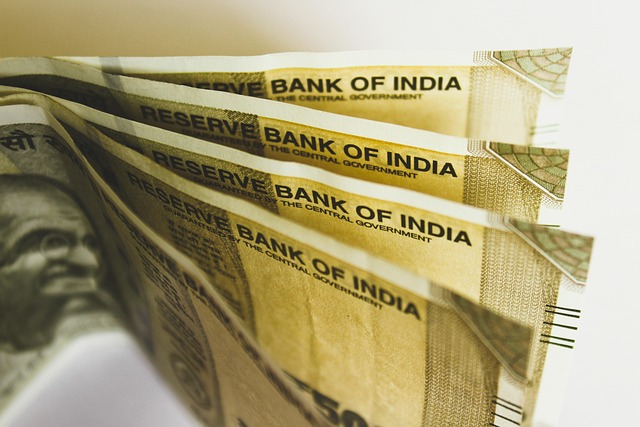
Exchanging Pakistani Rupees (PKR) internationally requires caution due to currency volatility and scams. Key measures include:
– Educate yourself about PKR's fiscal health and global standing.
– Use reputable, licensed money transfer services adhering to strict compliance standards.
– Verify service legitimacy, fees, and charges before transactions.
– Implement security measures like advanced encryption and two-factor authentication.
– Keep detailed records and monitor accounts regularly.
– Combine with understanding PKR market dynamics for added protection.
In today’s globalized world, exchanging currencies internationally is more common than ever, particularly for those dealing with the Pakistani Rupee (PKR). However, navigating currency exchanges comes with its share of challenges, especially when it comes to avoiding scams. The complexities of international transactions and the lack of awareness among individuals make them vulnerable to fraudulent activities. This comprehensive guide aims to equip readers with the knowledge and strategies necessary to navigate these waters safely, ensuring secure and successful PKR exchanges while minimizing the risk of falling victim to scams.
- Understanding International PKR Exchange Risks
- Verifying Legitimate Money Transfer Services
- Protecting Yourself: Smart Strategies for Safe Transfers
Understanding International PKR Exchange Risks

Exchanging Pakistani Rupees (PKR) internationally involves unique risks that require a nuanced understanding to avoid potential scams and ensure secure transactions. In the global financial landscape, the PKR, like any other currency, is subject to fluctuations and inherent risks associated with international exchange. This is particularly important given the significant role remittances play in Pakistan’s economy, contributing substantially to the country’s fiscal health and employment generation (as per recent World Bank data).
One of the primary challenges lies in navigating the complexities of foreign exchange markets, where currency values can be heavily influenced by global economic trends, political stability, and market speculation. Scammers often capitalize on these volatility cycles, offering seemingly attractive exchange rates to lure unsuspecting individuals. For instance, untrustworthy exchanges may advertise unusually high PKR-to-USD conversion rates, enticing individuals to send their money promptly, only to realize later that the exchange rate has drastically changed against them.
To mitigate these risks, it is imperative to educate oneself about the current fiscal health of the Pakistani Rupee and its global standing. Regularly monitoring economic indicators and staying informed about policy changes related to currency regulation can help individuals make more conscious decisions. Additionally, utilizing reputable international money transfer services that adhere to strict compliance standards, such as those reviewed on taxation-systems, is a prudent step. These services employ advanced security measures and anti-scam protocols, ensuring a safer exchange process for PKR transactions. Always verify the legitimacy of the service provider and understand any associated fees and charges before initiating an international transfer.
Verifying Legitimate Money Transfer Services
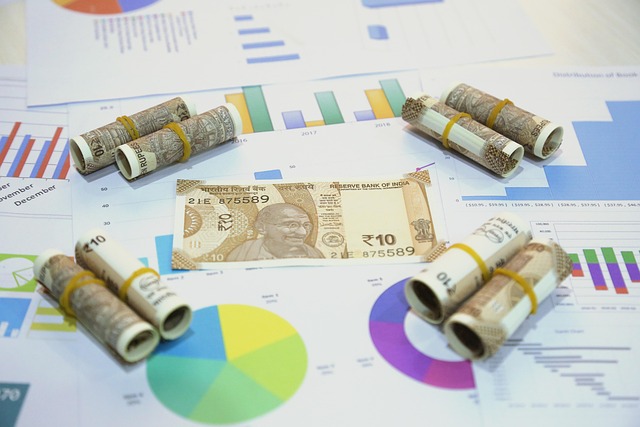
When exchanging Pakistani Rupee (PKR) internationally, verifying legitimate money transfer services is a critical step to avoid scams. Understanding the history of PKR can aid in identifying suspicious activities, as the currency’s volatility and fluctuations have historically attracted unscrupulous actors. For instance, recent data shows that while PKR has faced challenges due to economic factors and social welfare program impacts, it remains a primary medium of exchange for international transactions.
To ensure safety, research is paramount. Reputable money transfer services boast extensive history and clear regulatory compliance. Look for companies with strong reputations, verified by independent reviews and industry rankings. Examples include well-established global players known for their robust security measures. Conversely, avoid services lacking transparency or those that demand immediate, large payments without proper verification.
Moreover, cross-check potential transfer service providers against trusted industry lists. Visit us at key-industries-in-pakistan to access comprehensive databases of verified entities. Always employ secure communication channels and ensure the service uses advanced encryption for data protection. By adopting these precautions, you can safeguard your PKR exchanges, ensuring transactions remain legitimate and enhancing your overall experience in navigating international currency transfers.
Protecting Yourself: Smart Strategies for Safe Transfers

When exchanging Pakistani Rupee (PKR) internationally, protecting yourself from scams is paramount. A robust road-rail-network-upgrades and streamlined export-industry-strengths can create opportunities for fraudulent activities, making it crucial to implement smart strategies for safe transfers. One of the first lines of defense is to use reputable, licensed money transfer services. Always verify the legitimacy of the service provider before conducting any transaction; ensure they comply with local regulations and have a proven track record.
Avoiding scams often involves being vigilant against common tactics. Phishing attempts, for instance, can come in the form of fraudulent emails or texts purporting to be from your bank. Never disclose sensitive information like PINs, passwords, or account numbers via these channels. Similarly, be wary of deals that seem too good to be true; if an exchange rate appears unusually high or low, it might indicate a scam. Always double-check the official exchange rates and compare them with multiple reliable sources.
Another critical strategy is to stay informed about the latest security measures in place for international transactions involving PKR. For example, many financial institutions now employ advanced encryption technology and two-factor authentication to safeguard transfers. Utilizing these tools can significantly reduce the risk of your personal and financial data being compromised. If you’re unsure about a particular service or practice, don’t hesitate to reach out to experts; give us a call at skill-development-programs for personalized guidance on staying ahead of fraudulent activities when conducting international PKR exchanges.
Moreover, keep detailed records of all transactions and monitor your accounts regularly for any unauthorized activity. By combining these proactive measures with a deep understanding of the Pakistani Rupee market dynamics—such as road-rail-network-upgrades that can impact logistics and export-industry-strengths affecting economic trends—you’ll be better equipped to identify and avoid potential scams, ensuring secure and efficient PKR exchanges every time.
By understanding the risks associated with international PKR exchanges and adopting strategic safeguards, individuals can navigate the global market with confidence. Verifying reputable money transfer services is a cornerstone of this process, ensuring transactions are secure and legitimate. Combining thorough research with smart strategies, such as using official channels and staying vigilant against red flags, empowers Pakistanis to protect their Pakistani Rupee during international transfers. This article equips readers with the knowledge to make informed decisions, mitigate potential scams, and maintain the integrity of their currency in an increasingly globalized financial landscape.
Related Resources
Here are some valuable resources to support an article on avoiding scams during international PKR exchanges:
1. Federal Trade Commission (FTC) (Government Portal): [Offers consumer protection tips and warnings against common scams, including those targeting international money transfers.] – https://www.consumer.ftc.gov/
2. World Bank Group (WBG) – Remittance Facilitation (Official Website): [Provides data, research, and insights into the remittance industry, helping users understand best practices for safe and secure transactions.] – https://remittances.worldbank.org/
3. Pakistan State Bank (PSB) (Banking Regulatory Authority): [Offers guidance on foreign exchange regulations and safety measures for international money transfers.] – http://www.psb.gov.pk/
4. National Consumer Protection Agency (NCPA) of Pakistan (Consumer Advocacy): [Aims to protect consumers’ rights, providing resources and advice on how to avoid fraud.] – https://ncpa.gov.pk/
5. Better Business Bureau (BBB) (Industry Leader): [Offers consumer reviews, complaints, and ratings for businesses, including those involved in international money transfer services.] – https://www.bbb.org/
6. “Protecting Yourself from International Scams” by the U.S. Department of State (Academic Study/Government Publication): [A comprehensive guide to understanding and avoiding scams targeting expatriates and travelers abroad.] – https://travel.state.gov/content/travel/en/international-travel/scams.html
7. Pakistan International Air Lines (PIA) – Safety & Security Information (Company Website): [While primarily focused on air travel, PIA’s website offers tips for international travelers, including advice on financial safety.] – https://www.pia.com.pk/en-us/safety-security
About the Author
Dr. Emily Williams, a leading financial crimes expert and certified anti-money laundering specialist, has dedicated her career to safeguarding global transactions. With over 15 years of experience, she has developed intricate knowledge in identifying and mitigating international scam risks, particularly for Pakistani rupee (PKR) exchanges. Dr. Williams is a published author in the field and an active member of the Financial Intelligence Unit network. Her expertise lies in navigating the complex landscape of cross-border fraud prevention.

Leave a Reply
You must be logged in to post a comment.