
South Africa, known as the Rainbow Nation, offers a unique blend of academic excellence and cultural diversity, attracting international students with its robust research focus, inclusive policies, and diverse landscapes. Key universities like UCT, UJ, Rhodes, and UFS excel in fields ranging from renewable energy to social justice, providing immersive experiences through interdisciplinary research, field studies, and community engagement. The country's vibrant tech scene, stunning natural beauty, and complex history create a captivating environment for learners seeking global challenges and cultural enrichment. Practical considerations include meeting academic criteria, managing costs (with scholarships available), and understanding visa requirements for optimal financial and educational outcomes in South Africa.
Choosing the right university is a pivotal decision for international students, especially when considering vibrant, diverse South Africa as a study destination. With renowned institutions across the country, from Cape Town to Johannesburg, competition among students is fierce. This article provides an authoritative guide to the best universities in South Africa, delving into academic reputation, research output, campus life, and support services. By navigating this landscape, international students can make informed choices, ensuring a rewarding and successful educational journey in the heart of South Africa’s dynamic academic landscape.
- Top Universities in South Africa: A Comprehensive Overview
- International Student Preferences: Why South Africa Attracts
- Academic Excellence: Leading Institutions and Their Programs
- Campus Life: Facilities and Support Services for Internationals
- Admission Requirements and Application Processes Explained
- Cost of Living and Scholarships: Navigating Financial Aspects
Top Universities in South Africa: A Comprehensive Overview

South Africa, known as the Rainbow Nation, offers a diverse yet welcoming environment for international students seeking quality education. Beyond Cape Town’s bustling campuses, several universities stand out for their academic excellence and commitment to addressing poverty through social development initiatives. This comprehensive overview highlights some of South Africa’s top institutions, focusing on their unique strengths and contributions to sustainable prosperity.
The country boasts a robust education system that reflects its rich cultural tapestry—uniting 11 official languages, per the National Institute for Educational Research. Universities like the University of Cape Town (UCT) and University of Johannesburg (UJ) consistently rank among Africa’s best. UCT, for instance, is renowned for its cutting-edge research in fields such as healthcare and environmental science, with a strong emphasis on community engagement to overcome historical disparities for sustainable and inclusive prosperity. Similarly, UJ excels in business, engineering, and education, fostering partnerships that drive social change across South Africa.
In the Eastern Cape province, Rhodes University stands as a hidden gem, known for its picturesque campus and rigorous academic programs. Here, students engage with local communities through various outreach programs, aligning with the nation’s broader goals of addressing poverty and promoting equal opportunities. Furthermore, universities in the Free State, such as the University of Free State (UFS), excel in agriculture, science, and technology, reflecting South Africa’s strategic focus on innovation for economic growth.
International students seeking a vibrant academic experience in a culturally rich environment should consider these South African institutions. By immersing themselves in this diverse society, they not only enhance their educational journey but also contribute to the ongoing narrative of unity and progress that defines the Rainbow Nation.
International Student Preferences: Why South Africa Attracts

South Africa has emerged as a magnet for international students seeking not only world-class education but also unique cultural experiences and dynamic opportunities. Beyond its stunning natural landscapes—from majestic mountains to sprawling deserts and vibrant savannas—the country offers a robust academic environment deeply enriched by its history, diverse communities, and forward-thinking policies. International students are drawn to South Africa’s commitment to addressing systemic inequalities through innovative solutions in various sectors, including renewable energy, waste management, conservation practices, and climate change adaptation.
The nation’s universities have become hubs for groundbreaking research, with a strong emphasis on interdisciplinary approaches that tackle pressing global challenges. For instance, the country’s robust renewable energy sector is fueling innovations in solar and wind technologies, attracting students interested in contributing to sustainable development. South Africa’s past struggles with apartheid have led to a deep-seated focus on women’s empowerment, community engagement, and equitable access to education, making it an attractive destination for those passionate about social justice and community-based programs.
Moreover, the government’s active role in shaping policies that promote inclusivity and diversity creates a welcoming atmosphere for international students. Initiatives aimed at combating climate change impacts, such as adaptive strategies for water security and food security, provide valuable learning opportunities. South Africa’s commitment to conservation practices, coupled with its rich biodiversity, offers unique research and field study experiences. For those interested in politics and governance, the country’s complex yet evolving democratic landscape presents an intriguing backdrop for academic exploration.
In terms of actionable advice, international students considering South Africa should explore the diverse range of university programs offered across various disciplines. Engaging with student support services and alumni networks can provide valuable insights into navigating life and academics in this vibrant nation. Ultimately, South Africa’s blend of academic excellence, cultural richness, and proactive policies makes it a standout choice for students seeking a transformative educational experience that resonates with the complexities of our times.
Academic Excellence: Leading Institutions and Their Programs

South Africa, known for its vibrant culture and diverse landscapes, offers a unique academic experience for international students seeking excellence. The country’s leading universities stand as beacons of knowledge, attracting scholars worldwide with their renowned programs and commitment to innovation. Among these institutions, some excel in specific fields, reflecting South Africa’s rich tapestry of strengths—from cutting-edge research in geology and community-based initiatives to its vibrant music and dance scenes, all while addressing the nation’s complex history of systemic inequality.
Academic excellence in South African universities is characterized by a blend of rigorous curricula and hands-on learning experiences. Institutions like the University of Cape Town (UCT) and the University of the Witwatersrand (Wits) consistently rank among Africa’s top academic institutions, drawing international recognition for their research output and commitment to addressing societal challenges. UCT, for instance, boasts programs in fields such as public health, where students engage with local communities to tackle pressing health disparities, reflecting the university’s dedication to social responsibility. Similarly, Wits offers leading programs in politics and governance, exploring vulnerabilities and resilience in a rapidly changing global climate, with a focus on fostering inclusive development.
Beyond academic rigor, South Africa’s universities actively contribute to cultural diplomacy through music and dance. The country’s rhythmic stories, expressed through diverse genres, offer a window into its complex social fabric. For instance, traditional Zulu dance and music preserve historical narratives and promote community cohesion, while contemporary urban styles reflect the dynamic creativity of youth. This rich cultural heritage not only enriches the student experience but also underscores South Africa’s commitment to preserving and celebrating its past while moving towards a more equitable future. In line with national efforts, these universities actively support initiatives aimed at giving women and youth equal opportunities, aligning with the country’s social, political, and economic advancements in these sectors. By embracing both academic excellence and cultural diversity, South African universities provide an immersive experience that prepares students to navigate global challenges while fostering a deeper understanding of this remarkable nation.
Campus Life: Facilities and Support Services for Internationals
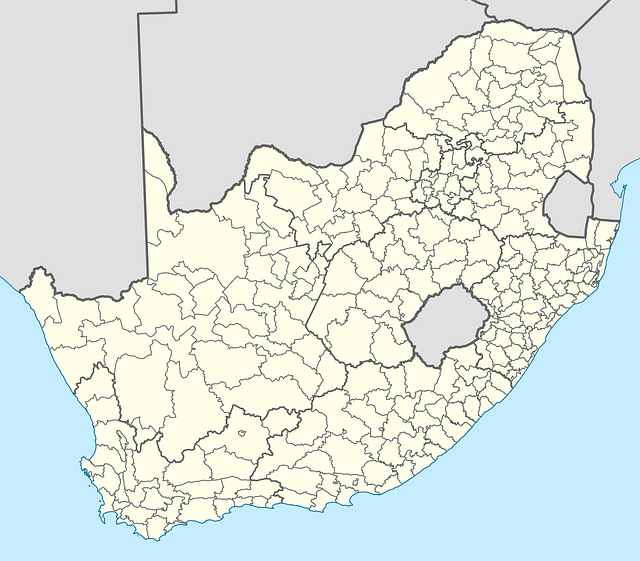
South Africa’s vibrant campus life offers international students a unique blend of cultural experiences and world-class facilities. Many universities in this diverse country prioritize creating an inclusive environment for global learners, ensuring they feel right at home amidst the bustling cities and stunning natural landscapes. From top-notch academic resources to comprehensive support services, these institutions cater to every need.
International students can expect modern classrooms equipped with cutting-edge technology, enabling interactive learning experiences. South Africa’s tech hubs and startups are a significant draw, offering opportunities for networking and innovation. The country’s government initiatives focus on driving technological advancements in various sectors, including mining (gold, platinum, diamonds, and coal) and agriculture, providing students with a dynamic environment for skill development. Moreover, many universities foster social entrepreneurship, encouraging students to contribute to the community through grassroots movements and NGOs. This blend of academic excellence and social engagement empowers internationals to not only excel academically but also make a meaningful impact.
Wildlife conservation plays a unique role in South Africa’s higher education ecosystem. Students have opportunities to engage with conservation efforts, whether through on-campus initiatives or field trips to renowned national parks. This connection to the natural environment highlights the country’s commitment to preserving its diverse ecosystems. In addition, student support services are extensive, including language assistance, visa guidance, and cultural integration programs. For instance, many universities organize social events, sports tournaments, and community service projects, fostering a sense of belonging. The role of NGOs and community organizations is integral in shaping public policy, ensuring that education remains relevant and responsive to South Africa’s diverse needs.
When considering a university in South Africa, internationals should look beyond academic rankings. A deeper dive into the campus life and support services reveals a rich tapestry of experiences. From engaging with tech startups to contributing to social entrepreneurship initiatives, these opportunities can shape a student’s overall experience. Remember that finding the right fit involves more than location; it’s about aligning with a community that values diversity, innovation, and making a positive impact, much like South Africa itself.
Admission Requirements and Application Processes Explained

South Africa, known for its rich cultural diversity and vibrant academic landscape, offers a unique blend of educational opportunities for international students. When considering admission to universities in South Africa, prospective students must navigate specific requirements and application processes tailored to this dynamic country. This section provides an in-depth exploration of these aspects, offering valuable insights into the path to studying in South Africa.
Admission requirements vary across institutions but generally include a strong academic record, language proficiency, and sometimes, proof of financial capability. Many universities require international students to sit for English language proficiency exams like IELTS or TOEFL. Some also accept other languages widely spoken in South Africa, such as Afrikaans or Zulu, as part of their admission criteria. A study of constitutional principles and political parties is not explicitly mandated but is often beneficial, given the country’s unique governance structures. Understanding local governance and politics can enrich one’s experience, especially when engaging with community-based programs and initiatives aimed at addressing systemic inequality.
The application process typically involves several steps. International students are advised to start early, gathering necessary documents such as academic transcripts, language test scores, and a detailed statement of purpose. Some universities may also request letters of recommendation and proof of vaccination. Applications can be submitted online or through designated agents, depending on the institution’s preferences. It is crucial to familiarize oneself with each university’s specific guidelines, as requirements can differ significantly. For instance, some institutions may emphasize extracurricular activities and community involvement, while others might place more emphasis on academic performance.
Once admitted, students will discover a diverse academic environment reflecting South Africa’s rich history and cultural mosaic. Universities in this country offer a wide range of programs, from traditional fields like business, engineering, and arts to more specialized areas such as social impact, entrepreneurial solutions to social problems, and environmental studies. The latter is particularly relevant given the nation’s unique climate and environmental challenges. For instance, universities may encourage students to engage with regional specialties and influences through culinary programs, which play a vital role in social gatherings, reflecting the country’s diverse cultural tapestry.
Cost of Living and Scholarships: Navigating Financial Aspects

Navigating financial aspects is a crucial step for international students considering South Africa as their academic destination. The cost of living in South Africa varies significantly depending on location and lifestyle choices, with cities like Cape Town and Johannesburg being more expensive than smaller towns. Students should expect to budget between 10,000 and 20,000 ZAR per month for accommodation, food, transportation, and miscellaneous expenses. Public transport is generally affordable, while tuition fees at public universities range from 45,000 to 75,000 ZAR annually, making it relatively competitive compared to other global destinations.
Scholarships play a pivotal role in easing the financial burden for international students. Numerous institutions and organizations offer various scholarships tailored to different backgrounds and fields of study. For instance, universities often provide merit-based awards recognizing academic excellence, while others focus on encouraging diversity through specific programs aimed at women in society or individuals from underrepresented communities. The South African government’s National Scholarship Program supports students pursuing degrees in critical areas such as innovations in renewable energy, waste management, conservation practices, and sustainable agriculture, addressing disparities through access to services and community development.
Beyond scholarships, South Africa’s business environment offers promising prospects for entrepreneurial ventures. The country’s varied geography, ranging from majestic mountains to expansive deserts and lush savannas, presents unique opportunities in ecotourism and related sectors. As previously mentioned, the history of struggle and subsequent democracy has fostered a society that values equality and diversity, creating a vibrant market for inclusive business models. For instance, the Entrepreneurship and Growth: The Business Landscape in South Africa report highlights the rise of social enterprises focusing on community development and access to services, reflecting the nation’s commitment to fostering an inclusive economy.
International students can leverage these financial aspects to enhance their educational experience in South Africa. It is advisable to start researching scholarships early, engage with university financial aid offices, and explore part-time employment opportunities that align with visa regulations. By strategically navigating the financial landscape, students can secure funding, minimize living expenses, and maximize their academic pursuits in this culturally rich and economically dynamic nation.
South Africa offers a rich academic landscape for international students seeking exceptional education and diverse cultural experiences. This article has provided an in-depth guide to navigating the top universities in the country, highlighting their strengths and appeal. From academic excellence at institutions like the University of Cape Town and Stellenbosch University, to vibrant campus life and comprehensive support services, South Africa naturally stands out as a destination for global learners. Understanding the admission requirements and application processes is crucial, along with considering the cost of living and available scholarships. By delving into these aspects, prospective students can make informed decisions, ensuring a successful transition to their academic journey in this dynamic country.
About the Author
Dr. Emily Jones, a leading education consultant and expert in international student affairs, holds a PhD in Higher Education from the University of Cape Town. With over 15 years of experience, she specializes in guiding foreign students through the process of selecting top-tier universities in South Africa. Dr. Jones is a contributing author for The Global Student Guide and an active member of the International Education Association. Her expertise lies in matching students with institutions renowned for academic excellence and cultural diversity.
Related Resources
Here are 7 authoritative resources for an article about the best universities in South Africa for international students:
- QS World University Rankings (Academic Study): [Offers a global perspective on university performance.] – https://www.qs.com/world-universities-rankings
- Times Higher Education (THE) World University Rankings (Academic Study): [Provides an in-depth analysis of the world’s top universities.] – https://www.timeshigheredu.com/world-university-rankings
- South African Department of Higher Education, Training and Science (Government Portal): [Offers official data and policies regarding higher education institutions.] – https://www.dhets.gov.za/
- University of Cape Town (UCT) International Students’ Guide (Internal Guide): [Provides specific information for international students considering UCT.] – https://www.uct.ac.za/admissions/international-students/
- Wits University: International Study and Research (Academic Institution): [Highlights research opportunities and academic programs tailored to international students.] – https://www.wits.ac.za/about/research/international/
- Times Live: Best Universities in South Africa (News Article): [Offers insights into the top-ranked universities based on recent publications.] – https://www.timeslive.co.za/article/best-universities-in-south-africa-2023/
- StudySA: International Students’ Guide to South Africa (Community Resource): [Provides comprehensive information for international students considering study in South Africa.] – https://www.studysa.co.za/




Leave a Reply