
Rising global temperatures, driven by greenhouse gases, intensify extreme weather events worldwide, disrupting climate patterns and causing more unpredictable shifts. Melting ice caps and warmer oceans increase coastal flood risks, while altered precipitation patterns lead to droughts and catastrophic flooding. Climate change impacts ocean currents, intensifying storms, and causing ecosystem disruptions that affect weathering, erosion, and landscape evolution. Understanding these dynamics is crucial for building resilience against extreme weather events.
Climate change is reshaping our planet’s weather patterns, leading to more frequent and intense extreme weather events. From rising temperatures igniting powerful storms to melting ice disrupting global climate equilibrium, these phenomena pose significant threats to communities worldwide. Understanding the interconnected effects of ocean warming, changing rainfall patterns, and ecosystem disruptions is crucial for mitigating risks and building resilience in the face of this global challenge. Explore these key factors and their impact on our ever-evolving weather landscapes.
- Rising Temperatures: The Fuel for Intense Storms
- Melting Ice: Unbalancing Global Weather Patterns
- Ocean Warming: Amplifying Coastal Flood Risks
- Changing Rainfall: Droughts and Deluges
- Extreme Events: Increasing Frequency and Intensity
- Ecosystem Disruption: Impact on Weather Systems
Rising Temperatures: The Fuel for Intense Storms

Rising global temperatures are significantly intensifying extreme weather events across the globe. As the Earth’s atmosphere absorbs more heat due to greenhouse gases like carbon dioxide, it becomes a powerful fuel for intense storms. This warming effect disrupts the delicate balance of atmospheric conditions, leading to more frequent and severe hurricanes, cyclones, and thunderstorms. The increased energy in warmer air results in higher wind speeds, heavier rainfall, and longer durations of these destructive events.
The carbon dioxide role in weather is not just about temperature rise; it also influences other key factors. Cloud cover, for instance, impacts evaporation processes, which in turn affects precipitation patterns. Higher levels of greenhouse gases can lead to more substantial cloud formations, potentially trapping heat and further exacerbating the warming effect. Additionally, the weathering and erosion cycle, driven by changing weather conditions, can alter landscapes, affecting local microclimates and how volcanic activity and weather interact. Give us a call to learn more about these complex interactions shaping our planet’s climate and extreme weather events.
Melting Ice: Unbalancing Global Weather Patterns
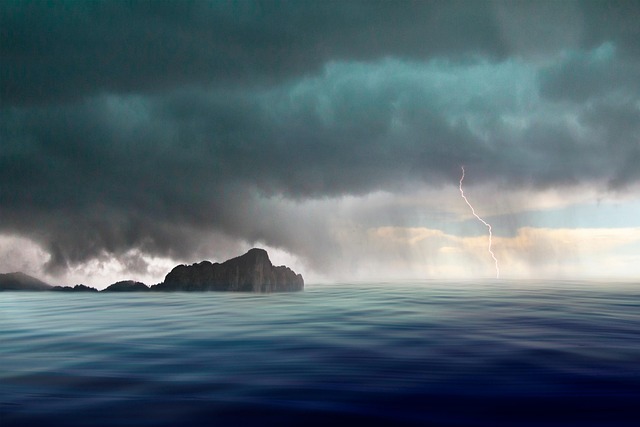
The melting of ice caps and glaciers due to rising global temperatures significantly contributes to altering weather patterns worldwide. This phenomenon disrupts the delicate balance of Earth’s climate system, leading to more unpredictable and extreme weather events. As ice melts, it reduces the planet’s ability to reflect sunlight back into space, causing further warming. This positive feedback loop intensifies seasonal weather changes and creates a cascade effect on atmospheric pressure and wind patterns.
Consequently, regions that once experienced stable, predictable climates are now facing sudden shifts, making hurricane preparation tips more crucial than ever. Changes in barometric pressure readings can signal the arrival of these extreme weather events with greater intensity and frequency. Understanding these dynamic weather phenomena is essential for communities to adapt and prepare for seasonal changes, ensuring resilience against the impacts of climate change on our planet’s intricate weather tapestry. Visit us at dawn and dusk phenomena anytime to explore more insights into nature’s ever-changing landscape.
Ocean Warming: Amplifying Coastal Flood Risks

The warming of ocean waters due to climate change is significantly amplifying coastal flood risks worldwide. As sea levels rise, even minor storms or high tides can cause extensive damage to low-lying areas and coastal communities. Warmer ocean temperatures also lead to more intense and frequent hurricanes, which can trigger devastating coastal flooding events. These extreme weather phenomena pose a direct threat to human lives, infrastructure, and ecosystems in vulnerable regions.
Ocean warming interacts with other climate change factors, such as air pollution and changing weather patterns, exacerbating the risks associated with coastal floods. Meteorological instruments and advanced weather mapping techniques are crucial for understanding these complex dynamics and improving prediction models. By studying the weathering and erosion cycle of coastlines, scientists can better assess vulnerabilities and develop strategies to mitigate the impacts of rising sea levels on affected communities, helping us to adapt and build resilience in the face of these global challenges.
Changing Rainfall: Droughts and Deluges
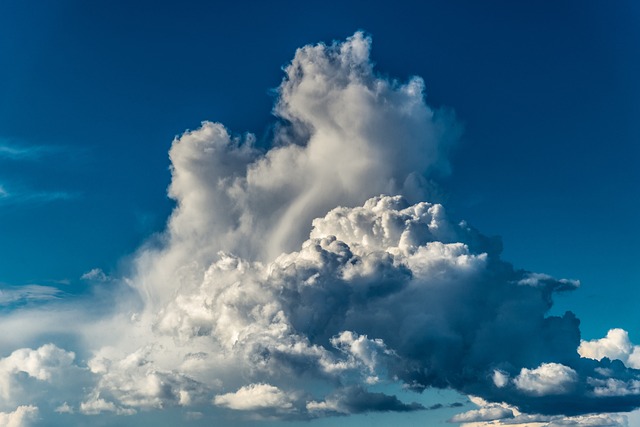
Climate change is altering precipitation patterns worldwide, leading to more frequent and intense weather events. One notable effect is the shift from prolonged dry spells to sudden deluges, or what scientists call changing rainfall. This phenomenon has significant implications for various regions, especially those already facing water scarcity issues. Drought conditions, characterized by reduced rainfall and increased evaporation rates, can persist for extended periods, causing severe impacts on agriculture, ecosystems, and human settlements. On the other hand, intense rainfall events can result in catastrophic flooding, exacerbating existing challenges in weather forecasting and emergency response.
Understanding these changing weather patterns requires an in-depth analysis of meteorological data collection. By examining historical trends and utilizing advanced climate models, scientists are better equipped to predict extreme weather events, such as heavy downpours or intense storms. This knowledge is crucial for communities to prepare and adapt, including improving infrastructure resilience and developing effective water resource management strategies. Visit us at [meteo data collection platform] anytime to access the latest insights into these complex interactions between climate change and weather phenomena, including wind gust calculations, sunrise and sunset timings, and snowfall mechanics.
Extreme Events: Increasing Frequency and Intensity

In recent years, we’ve witnessed a disturbing trend in extreme weather events across the globe. The frequency and intensity of these powerful storms, hurricanes, and heatwaves have been on the rise, causing widespread destruction and disrupting communities worldwide. This alarming trend is directly linked to the global climate change impact, which has set off a cascade of environmental shifts. As our planet warms, so does the atmosphere, leading to increased evaporation and more energetic weather patterns.
The oceanic currents effect also plays a significant role in intensifying these events. Warmer ocean temperatures fuel stronger storms and hurricanes, while changes in atmospheric pressure systems can disrupt usual weather patterns, resulting in prolonged heatwaves or sudden cold snaps. Additionally, dawn and dusk phenomena, such as intense sunsets and unusual cloud formations, serve as visual reminders of the turbulent state of our climate. To stay informed and prepared, visit us at wind gust calculations weather forecasting errors anytime for accurate insights that could save lives and property.
Ecosystem Disruption: Impact on Weather Systems

Climate change is profoundly disrupting ecosystems worldwide, which has significant implications for weather systems and global climate patterns. As environments shift, so do air masses, ocean currents, and atmospheric pressure systems—all crucial factors in shaping seasonal weather changes. The warming of the Earth’s surface due to greenhouse gas emissions alters the natural balance, leading to more frequent and intense extreme weather events.
This disruption affects the weathering and erosion cycle, influencing how landscapes evolve and interact with the atmosphere. For instance, melting glaciers contribute to rising sea levels, changing coastal air mass interactions and potentially intensifying storms. Understanding these complex relationships is vital for predicting future weather patterns and mitigating the impacts of climate change. Visit us at Earth’s rotation influence anytime to explore more insights into our ever-changing climate.
Climate change is profoundly altering global weather patterns, intensifying extreme weather events across the board. From rising temperatures igniting more powerful storms to melting ice disrupting natural balances and ocean warming that amplifies coastal flood risks, the effects are far-reaching. Changing rainfall patterns lead to severe droughts and unexpected deluges, while ecosystem disruption further complicates these challenges. Navigating these complex issues is crucial for mitigating the increasing frequency and intensity of extreme weather events, ensuring our resilience in a rapidly changing world.

Leave a Reply
You must be logged in to post a comment.