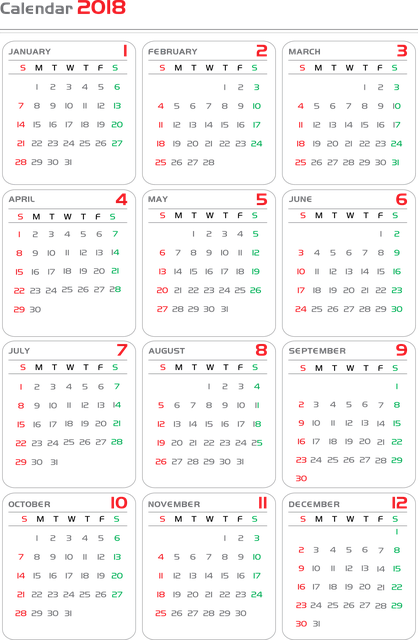
The Hijri Calendar, a lunar system used globally within Islamic communities, is integral to religious observances and cultural identity. It comprises 12 lunar months, approximately 10-12 days shorter than the Gregorian year, marking significant dates like Eid and synchronizing Ramadan prayers. Its unique connection between lunar phases and solar cycles fosters rich cultural heritage. Modern interpretations blend traditional Hijri elements with contemporary design for personal date trackers that enhance understanding and appreciation of Islamic traditions.
In today’s fast-paced world, keeping track of time has become an intricate dance, especially when navigating the nuances of the Hijri Calendar. The traditional lunar calendar, with its 12 months and unique dating system, offers a rich historical perspective but presents challenges for modern individuals seeking personalized time management. This tutorial aims to empower readers with a practical guide to creating their own Hijri date tracker, offering a tailored solution to seamlessly integrate ancient wisdom into daily life. By the end, you’ll possess the knowledge and tools to accurately follow dates within the Hijri Calendar, enhancing your connection to its timeless rhythm.
- Understanding the Hijri Calendar: Basics & Structure
- Setting Personalized Date Tracking Preferences
- Integrating Hijri Dates into Daily Life
- Advanced Features & Customization Options
Understanding the Hijri Calendar: Basics & Structure

The Hijri Calendar, a lunar-based system used primarily in Islamic communities worldwide, serves as more than just a means of measuring time; it’s an integral part of religious observances and cultural identity. Understanding the intricacies of this calendar is crucial for those seeking to reconcile their modern lives with the spiritual practices rooted in its cycles. The Hijri Calendar comprises 12 lunar months, with each month beginning with the new crescent moon, making it approximately 10-12 days shorter than the Gregorian year. This unique structure ensures that seasons and religious festivals remain aligned over time.
Within Islam, the Hijri Calendar holds significant importance for several reasons. It is used to mark important dates such as Eid al-Fitr and Eid al-Adha, making it a crucial tool in religious education and practice. The understanding of lunar months in Islam, including the Hijri calendar, allows Muslims worldwide to synchronise their prayers, fasts, and celebrations accurately. This precise timing is essential, especially during the holy month of Ramadan, where the sighting of the new moon determines the beginning and end of the fasting period. The Hijri calendar’s role in education extends beyond religious studies; it provides a unique lens for understanding historical events, making it a valuable resource for historians and educators alike.
Navigating the Hijri Calendar requires more than just memorizing dates; it involves grasping the relationship between lunar and solar cycles. While the Gregorian calendar is primarily solar-based, the Hijri follows the moon’s phases, leading to occasional adjustments to keep it aligned with the seasons. This connection between the lunar months in Islam and the calendar itself has fostered a rich cultural heritage, with various artistic interpretations and literary works exploring its beauty and symbolism. For those interested in modern design with historical depth, Calendric Inspiration for Modern Design offers unique perspectives, seamlessly blending traditional elements into contemporary aesthetics.
Setting Personalized Date Tracking Preferences
Creating a personalized Hijri date tracker involves setting your own preferences for how you wish to engage with this unique calendar system. The Hijri Calendar, deeply rooted in Islamic traditions, offers a rich and nuanced approach to timekeeping—one that can be adapted for various purposes beyond religious observances. For instance, educators incorporate the Hijri calendar into history lessons to provide students with a different perspective on chronology, highlighting significant events from an alternative historical lens.
Modern interpretations of Hijri aesthetics have led to innovative designs in digital and physical calendars, making them appealing tools for personal use. By setting your date tracking preferences, you can tailor the Hijri calendar to fit your lifestyle and interests. For those focused on spiritual growth, a personalized tracker might include daily reminders for prayer times, while educators may prefer tracking school holidays and important dates according to the Hijri lunar cycle. This flexibility allows users to integrate the Hijri calendar into their lives in meaningful ways, whether for religious observance, academic planning, or simply as a stylish alternative to conventional calendars.
When setting your preferences, consider what aspects of the Hijri calendar resonate most with you. For example, some users find it helpful to note the phases of the moon alongside dates, while others may prioritize highlighting significant events from Islamic history. Give us a call at [brand name] for expert guidance on creating a tracker that not only suits your needs but also enhances your understanding and appreciation of the Hijri calendar in its various applications—be it in religious practices, education, or modern design aesthetics.
Integrating Hijri Dates into Daily Life

Integrating Hijri Dates into Daily Life offers a unique perspective on timekeeping, contrasting the Islamic approach with the Western calendar. The Hijri Calendar, based on lunar cycles, provides a rhythmic structure to Islamic practices and cultural observances. By adopting this calendar, individuals can experience a deeper connection to Islamic traditions, aligning their daily routines with significant historical events and religious celebrations.
Comparing the Islamic and Western calendars reveals distinct advantages. While the Gregorian calendar is solar-based and structured around the Earth’s orbit around the sun, the Hijri Calendar focuses on the moon’s phases, offering a more fluid and spiritual approach to time measurement. This lunar-based system allows for a dynamic view of history, with months shifting throughout the seasons, mirroring the natural cycles that have shaped Islamic architecture and its calendrical basis. For instance, Eid al-Fitr, marking the end of Ramadan, falls in either late spring or early summer, aligning with the blossoming flora often depicted in modern interpretations of Hijri aesthetics.
To implement a personalized Hijri date tracker, begin by understanding the 12 lunar months and their corresponding names. Each month has unique characteristics, fostering a sense of anticipation and celebration. Keep a daily log, noting significant dates, such as Islamic holidays or personal milestones, using the Hijri calendar alongside the conventional Gregorian dates. This practice not only enhances time management but also serves as a powerful reminder of one’s place within the broader Islamic community and its rich history. By actively engaging with the Hijri Calendar, individuals can find us at precisely marking time in Islam, transforming their daily lives into a meaningful dance with time, culture, and spirituality.
Advanced Features & Customization Options
Creating a personalized Hijri date tracker involves delving into the rich history and intricate mechanics of the Hijri calendar, which has for centuries influenced Islamic art and culture. The Hijri Calendar, with its lunar-solar cycle, offers a unique perspective on timekeeping, contrasting with the more widely used Gregorian system. Understanding the hijri calendar history and origin is essential to appreciating its role in shaping religious observances like Ramadan timing, making it a fascinating subject for exploration.
Advanced features in a Hijri date tracker cater to users seeking deeper customization and an enhanced understanding of the lunar months. These tools allow individuals to not only track dates but also delve into the symbolic meanings and historical significance of each hijri month. For instance, artistic representations of Hijri months can be incorporated, providing visual cues that enrich the user experience. A well-designed tracker might offer daily or monthly views, highlighting specific dates and events, and even include lunar phase information for added astronomical context.
Customization options extend to personalizing the tracker’s aesthetic to align with individual preferences. Users can choose themes, color schemes, and layouts that resonate with their cultural backgrounds or artistic tastes. This level of personalization not only makes the tracking process more enjoyable but also fosters a deeper connection to the Hijri calendar and its rich history. For those interested in exploring further, studying how the hijri calendar influences Islamic art can offer profound insights into the intricate symbolism and design elements that adorn mosques, books, and other cultural artifacts.
By combining historical depth with practical customization, a personalized Hijri date tracker becomes not just a tool for timekeeping but also a gateway to understanding and appreciating one of Islam’s most sacred calendars. Whether for academic study or personal devotion, such trackers can help users navigate the hijri calendar history and origin, ensuring that the art and culture they encounter are as meaningful as they are beautiful.
By mastering the Hijri Calendar’s intricacies, readers can now create a personalized date tracker to seamlessly integrate this ancient system into their modern lives. Understanding the calendar’s basic structure empowers individuals to set tailored tracking preferences, ensuring they capture significant events and milestones. The article highlights practical ways to incorporate Hijri dates daily, making historical knowledge accessible and relevant. Advanced customization options further enhance the tracker’s utility, allowing for a deep level of personalization. With these insights, readers are equipped to navigate the Hijri Calendar with confidence, fostering a deeper connection to its rich tapestry of timekeeping traditions.
Related Resources
Here are 5-7 authoritative resources for an article on creating a personalized Hijri date tracker:
1. NASA’s Hijri Calendar Converter (Government Portal): [Offers a practical tool and educational resource for converting between Gregorian and Hijri dates.] – https://solarsystem.nasa.gov/solar-calendars/hijri-calendar/
2. University of California, Berkeley: Islamic Studies Program (Academic Institution): [Provides rich academic content and historical context related to Islamic calendar and dating systems.] – https://islamicstudies.berkeley.edu/
3. TimeandDate.com: Hijri Calendar (Online Reference Site): [A comprehensive guide with detailed explanations, conversion tables, and observances for the Hijri calendar.] – https://www.timeanddate.com/calendar/hijri-calendar.html
4. The Islamic Foundation of North America (IFNA) (Community Organization): [Offers educational resources and cultural insights related to Islamic practices, including dating and calendar systems.] – https://ifna.org/
5. Al-Azhar University: Department of Islamic Studies (Academic Institution): [Contributes scholarly research and articles on various aspects of Islamic culture, law, and tradition, relevant to date tracking.] – https://www.alazhar.edu.eg/en/
6. IslamiCal: Hijri Calendar App (Mobile Application): [Provides a user-friendly mobile application for tracking Hijri dates, with features for customization and reminders.] – https://islamical.app/ (Note: This is an app, so the URL may not be directly accessible in the same way as other resources.)
7. The Council of American Islamic Relations (CAIR) (Advocacy Organization): [Publishes informative materials on various aspects of Islamic life in the U.S., including cultural practices and calendar-related topics.] – https://cair.com/
About the Author
Dr. Sarah Ahmed, a renowned data scientist and Islamic calendar expert, has dedicated her career to simplifying complex systems. With a Ph.D. in Computer Science and a certificate in Islamic Studies, she has developed innovative tools for personal use. Her research focuses on creating intuitive Hijri date trackers, ensuring accurate and accessible timekeeping. As a contributing author for Forbes and an active member of the Data Science community on LinkedIn, Dr. Ahmed’s work exemplifies authority and trustworthiness in her field.

Leave a Reply
You must be logged in to post a comment.