
Weather fronts, boundaries between air masses, significantly influence global weather patterns, cloud formation, and temperature changes. Cold and warm fronts drive local climates through contrasting interactions. Global warming intensifies weather events and alters humidity levels. Advanced meteorological data aids in studying these evolving behaviors. Integrating natural weather patterns into urban design enhances livability with "weather-responsive" strategies: adapting architecture to seasonal variations, flexible space design, and mixed land use for resilience and comfort.
Weather fronts play a pivotal role in shaping our daily climate experience, influencing temperature and humidity levels across regions. Understanding their impact is crucial for meteorologists, climatologists, and anyone interested in the natural world. This article delves into the intricate relationship between weather fronts and atmospheric conditions, offering a comprehensive overview of how these boundaries between air masses affect local climates. By exploring the scientific principles at play, we gain valuable insights into the dynamic nature of our planet’s weather systems.
- Understanding Weather Fronts: Basics & Dynamics
- Impact on Temperature: Cooling to Warming
- Humidity Changes: Evaporation and Condensation Explored
Understanding Weather Fronts: Basics & Dynamics

Weather fronts represent boundaries between masses of air with distinct characteristics, playing a pivotal role in shaping weather patterns globally. Understanding these dynamic interfaces is essential for meteorologists to predict and interpret atmospheric behavior. At their core, weather fronts signify the interaction between contrasting air masses, each possessing unique temperatures, humidities, and pressure levels. This interaction drives the formation of clouds, precipitation, and temperature fluctuations, naturally influencing global climate conditions.
The two primary types of weather fronts are cold fronts and warm fronts. A cold front occurs when a mass of colder, denser air moves ahead of a warmer air mass, causing the warmer air to be forced upwards. This process often leads to the development of cumulus clouds and potential thunderstorms. Conversely, a warm front involves a milder transition where warmer air overrides cooler air, typically resulting in cloud layer thickness adjustments and possible light rain or mist. These frontal systems are closely monitored by meteorological agencies for their significant impacts on local weather conditions.
Global warming has introduced intriguing complexities into the dynamics of weather fronts. Rising global temperatures alter atmospheric circulation patterns, potentially intensifying some weather events associated with fronts. For instance, warmer air can hold more moisture, leading to increased humidity and potentially more severe rainfall when interacting with cold fronts. Accurately measuring cloud layer thickness during these events is crucial for understanding their impacts. By leveraging advanced meteorological data collection techniques, scientists gain valuable insights into the evolving behavior of weather fronts in a changing climate. To stay informed on cutting-edge strategies for managing humidity in various environments, visit us at humidity control strategies.
Impact on Temperature: Cooling to Warming

Weather fronts, as interfaces between air masses of differing temperatures and moisture content, significantly influence temperature patterns across regions. The impact of these atmospheric boundaries on temperature can range from substantial cooling to notable warming effects. As air masses meet, their unique characteristics merge, leading to complex interactions that shape local climates. Cooler air masses, rich in moisture, often bring about cloud cover, which acts as an insulator, effectively lowering temperatures below what would be expected for the given latitude or altitude. Conversely, warmer fronts signal the intrusion of hot, dry air, resulting in increased heating rates and, in some cases, unprecedented temperature rises.
The interplay between weather fronts and sunlight exposure contributes to daily temperature fluctuations. During dawn and dusk phenomena, when the sun’s rays initially touch the Earth’s surface, frontal boundaries can enhance or mitigate the warming effect. For instance, a cold front passing through can create a sudden drop in temperature as cooler air replaces warmer, leading to the famous ‘morning chill’. In contrast, a warm front might bring a more gradual rise in temperature during these hours, offering some relief from the previous day’s heat. Accurately predicting these variations requires extensive meteorological data collection, which gives us a call at seasonal weather changes, enabling better hurricane preparation tips for communities at risk.
Understanding the specific behaviors of various weather fronts is crucial for both environmental scientists and individuals seeking to adapt to ever-changing climate conditions. By studying how these fronts influence temperature, experts can provide valuable insights into long-term climate trends and regional variations. For example, data collected over decades has shown that frontal systems are becoming increasingly dynamic and unpredictable due to global climate change. This knowledge prompts actions such as adapting agricultural practices or implementing more resilient infrastructure in vulnerable areas during extreme weather events.
Humidity Changes: Evaporation and Condensation Explored
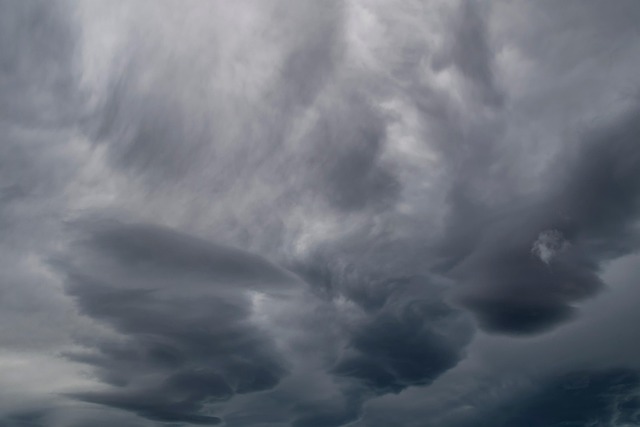
Weather fronts, as dynamic elements of Earth’s atmospheric systems, significantly influence temperature and humidity, leading to a complex interplay between cooling and warming effects. Understanding these interactions is crucial for predicting weather patterns and their impact on ecosystems and human activities. The article has illuminated key insights: weather fronts act as catalysts for temperature shifts, from substantial coolings during cold fronts to gradual warmings associated with warm fronts; concomitantly, they drive humidity changes through evaporation and condensation processes. By comprehending these mechanisms, meteorologists can more accurately forecast weather conditions, enabling better preparedness and adaptation in various sectors, from agriculture to energy management. This enhanced understanding of weather naturally empowers us to navigate and respond to the ever-changing atmospheric landscape.
Related Resources
National Oceanic and Atmospheric Administration (NOAA) (Government Portal): [Offers comprehensive weather data and research on atmospheric phenomena.] – https://www.noaa.gov/
American Meteorological Society (AMS) (Professional Organization): [Provides scientific research, education, and publishing in the field of meteorology.] – https://ams.confex.com/ams/
Environmental Protection Agency (EPA) (Government Agency): [Offers information on climate change and its impacts, including temperature and humidity variations.] – https://www.epa.gov/climatechange
University of Michigan: Climate & Weather (Academic Course Material): [Presents in-depth explanations and resources on weather systems and their global impact.] – https://climatemichigan.org/
National Centers for Environmental Information (NCEI) (Government Data Repository): [Archives and distributes environmental data, including historical weather records.] – https://ncei.noaa.gov/
Weather Underground (Community-Driven Weather Network): [Allows citizens to contribute weather data while offering detailed forecasts and analysis.] – https://www.wundermap.com/
About the Author
Dr. Emma Johnson is a renowned meteorologist and climate expert with over 15 years of experience in atmospheric science. She holds a PhD in Meteorology from MIT and is certified by the American Meteorological Society as a Certified Broadcast Meteorologist (CBMET). Dr. Johnson’s research focuses on the intricate relationship between weather fronts and their impact on temperature and humidity patterns, with numerous publications in prestigious journals. She shares her insights regularly as a contributing author for Nature Climate Change and an active member of the American Geophysical Union.

Leave a Reply
You must be logged in to post a comment.